People assume mobile physical therapy is a convenience service — the same treatment, delivered to your door. That is not quite right, and the part that gets missed is the part that actually changes outcomes.
Your environment is the assessment
In a clinic, I have to ask you to describe your desk. You will describe it inaccurately, not because you are careless but because nobody perceives their own habitual setup accurately. Then I build a plan around a workstation I have imagined.
In your office, I can see the monitor height, the chair, the phone you hold with your shoulder, and the fact that you turn ninety degrees to your right roughly two hundred times a day to look at a second screen. That last detail explains more one-sided neck pain than any test I could run on a treatment table.
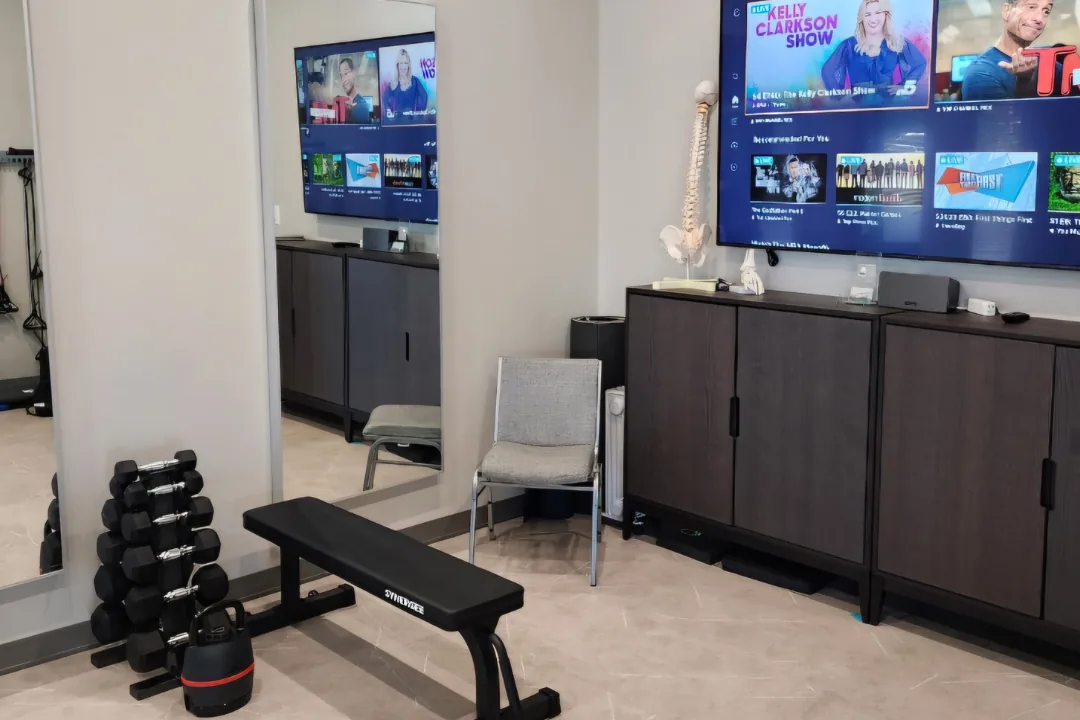
The same applies at home: the bed, the sofa you actually sit on, the stairs, the height of the kitchen counter you lean on. And at the gym: the rack, the equipment you own, the way you genuinely set up for a deadlift when nobody is watching.
Home programs that survive contact with reality
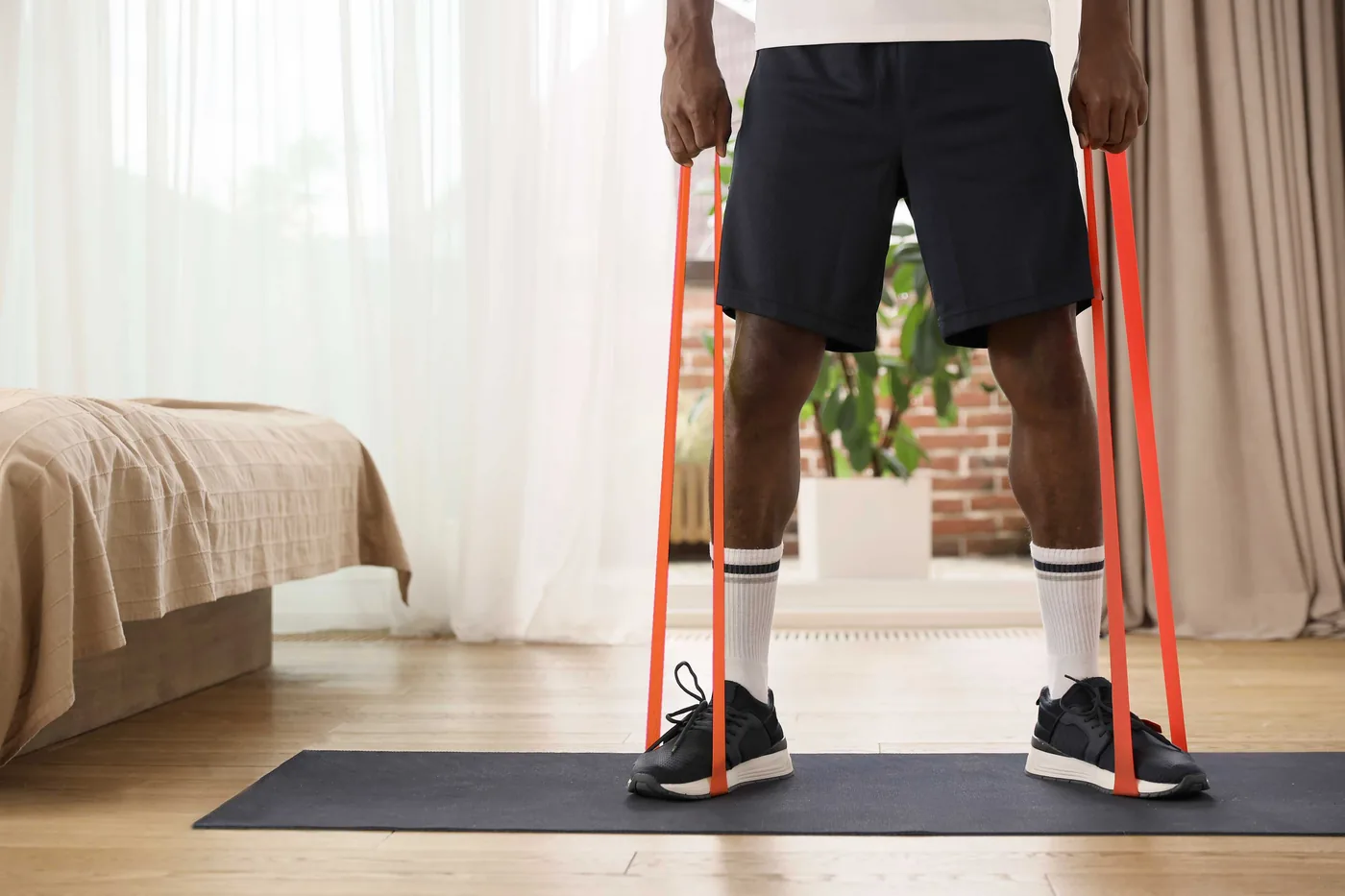
The most common reason a home exercise program fails is that it was designed for equipment and space the client does not have. A person is given a resistance band exercise anchored to a door that does not exist, and by day three the program has quietly been abandoned.
Building the program in the room where it will be performed removes that failure mode entirely. We use your doorway, your stairs, your dumbbells, at the height of your worktop. The instruction is not ‘find somewhere to do this’, it is ‘do this here’.
Every client here is educated with therapeutic exercise and self-mobilization techniques so you can treat yourself at home. A program that fits your actual life is what makes that realistic.
A full hour, one therapist
Each session is 60 minutes, one-on-one, in the comfort of your own home, office or gym. That hour is not shared with two other clients on a gym floor and it is not delegated to an aide.
It is also continuous. The examination, the hands-on treatment, the loading and the coaching all happen in the same visit with the same person, so nothing has to be re-established at the start of the next appointment.
That continuity is a large part of why the typical plan is four to eight visits rather than three months of twice-weekly appointments.
Who it suits
Busy executives and professionals, for whom a clinic visit is really a two-hour block once travel is counted. Athletes in season who need to be treated where they train. Parents who cannot add a commute to a weeknight. Anyone post-surgery for whom getting to a clinic is the hardest part of the day.
Our clients are busy executives, professionals and athletes in chronic pain in Dallas and the surrounding areas, and the goal is a life of freedom from reliance on pain medication and substances. Removing the friction from care is a meaningful part of getting there.
What I bring
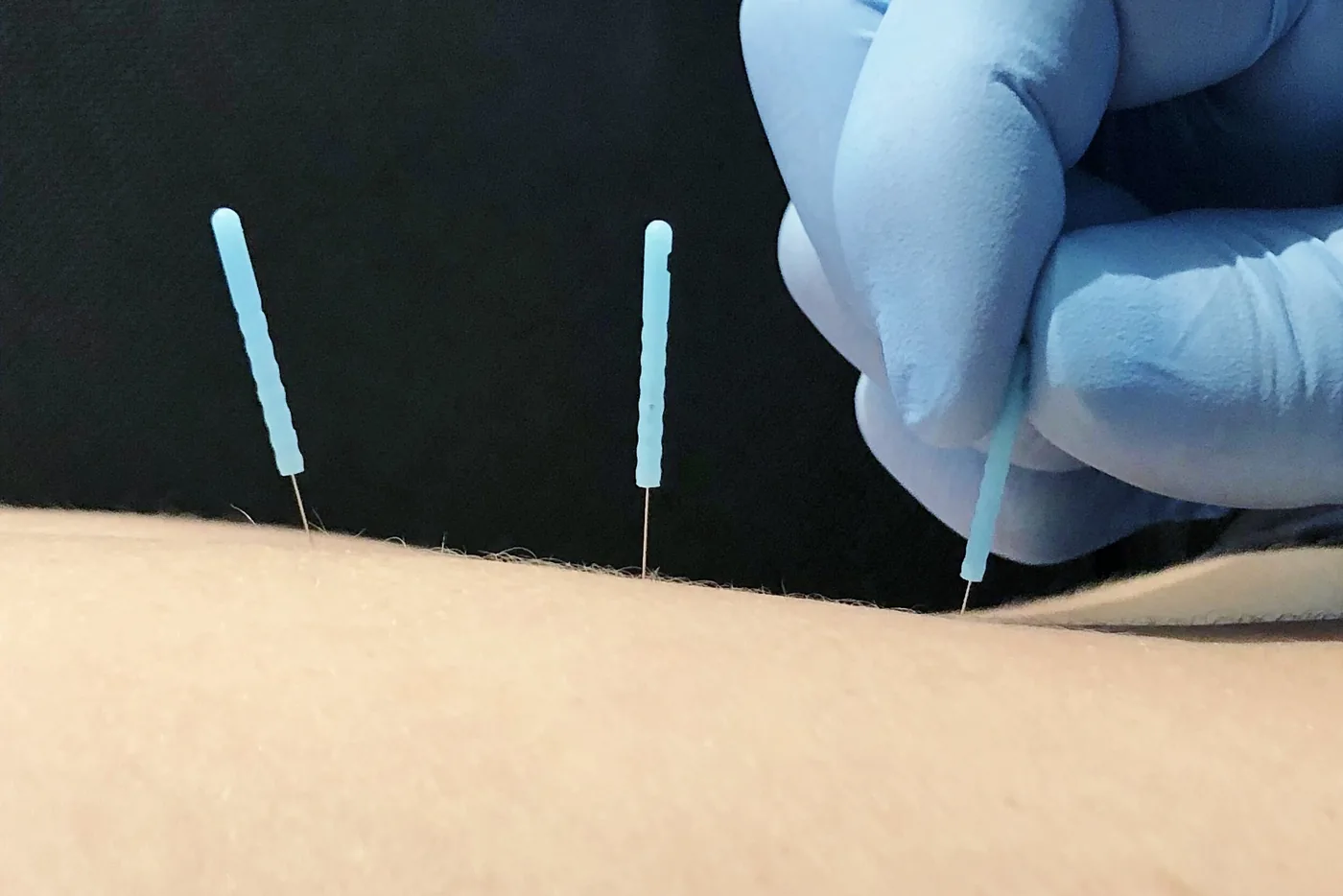
Everything the session requires. You do not need equipment, a treatment table, or a particular kind of space — a room where you can lie down and move is enough.
And if part of your plan is better delivered virtually — progressing a program, reviewing technique, adjusting load after a change in training — telehealth sessions are available too. Plenty of clients run a mix: in-person visits for the hands-on work, virtual check-ins for everything that does not need hands.