
Treatment · Physical therapy in Dallas, TXDry Cupping
Decompress the tissue instead of pressing on it — reaching the restrictions that massage, stretching and foam rolling keep skating over.
- The one manual technique that lifts tissue rather than compressing it
- Excellent for recovery after heavy training
- Combined with movement so the change actually holds
The short version
Dry Cupping in 30 seconds
What it is
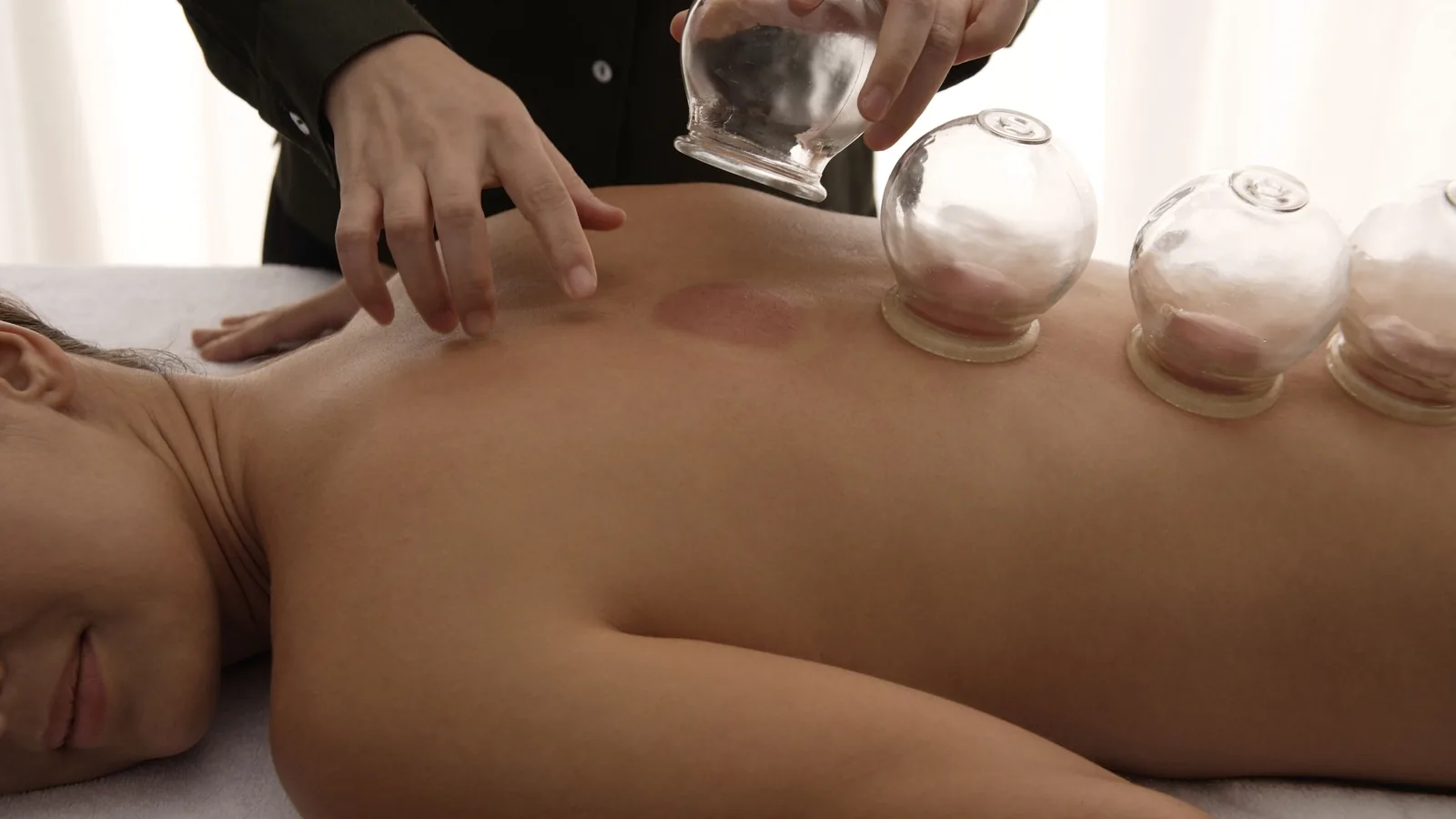
Plastic cups placed on the skin with air drawn out to create a vacuum that lifts skin, muscle and fascia.
What it does
Improves circulation, healing, oxygen and nutrient delivery, and helps clear lactic acid and metabolic waste from hard-worked muscle.
How it feels
A firm pulling sensation rather than pressure. Most clients find it an immediate relief on a genuinely stiff area.
Why people choose it
What you get out of dry cupping
Suction that lifts skin, muscle and fascia — soft and deep tissue mobilization for areas that stay stiff no matter how much you stretch.
Reaches what compression misses
Nearly every other manual technique presses in. Cupping pulls up — which is exactly why it changes restrictions that rolling and massage never do.
Better circulation into the area
The lift improves blood flow, healing, and delivery of oxygen and nutrients to tissue that has been starved of movement.
Faster training recovery
A strong tool for clearing lactic acid and metabolic waste from muscles you have worked hard — useful inside a heavy block.
Works with movement
Loading a muscle while the fascia above it is decompressed changes how tissue glides. That is what stops the restriction coming back on Thursday.
Nothing invasive
No needles, no medication. A good option if you would rather not be needled but still need deep tissue change.
Delivered where you are
Home, office or gym across Dallas and the surrounding areas.
Worth knowing
About those marks
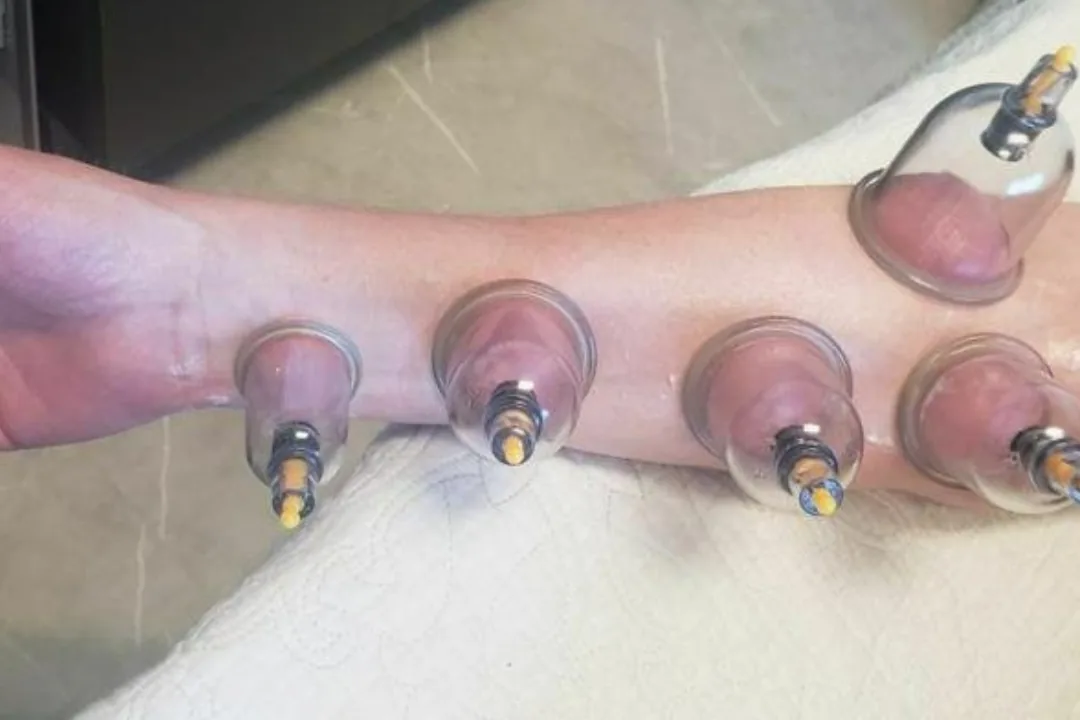
The circular marks cupping leaves are not bruises — there is no impact and no tissue damage. They reflect stagnation drawn up toward the surface, and they last anywhere from a few days to a few weeks depending on the client.
What it commonly helps with
- Stiff, restricted upper back and shoulders
- Neck tension
- IT band and lateral thigh tightness
- Calf and Achilles restriction
- Muscle recovery after hard training
- Chronic tightness that keeps coming back
- Scar and post-surgical tissue restriction
Inside a session
What actually happens
Map the restriction
We find the tissue that is genuinely restricted, which is often above or below where you feel the tightness.
Apply and hold
Cups are placed and suction applied. Expect a strong pulling sensation, not pain.
Add movement
Where appropriate you move through range with the cups in place, so the fascia glides under load.
Reinforce
Mobility and strength work to keep the range you just opened up.
What to expect afterwards
During
A strong pull, then a warm, released feeling. Tell us if the sensation ever turns sharp and the suction is reduced.
Straight after
Looser, warmer tissue and better range. Circular marks in the treated area.
Days after
Marks fade over a few days to a few weeks depending on the person. Light movement afterwards is usually encouraged.
Be honest with yourself
Is dry cupping right for you?
Being told “not this, and here is why” is part of the service. If it is not the right tool for your problem, you will hear that at the free discovery visit.
A good fit if
- Tightness that returns within days of every massage
- A stiff upper back from long days at a screen
- Calves and IT bands that never change no matter how much you roll
- Recovery between heavy training sessions
- Scar tissue restriction after surgery
- Wanting deep tissue work without needles
Tell us first if
- Broken skin, active infection or a rash over the area
- Blood-thinning medication or a bleeding disorder (tell us first)
- Deep vein thrombosis history in the limb
- An event this week where visible marks would bother you — say so and we adjust
- Expecting cupping alone to resolve a long-standing problem
In depth
Everything else worth knowing
Written for people who want the reasoning, not just the summary.
Lifting instead of pressing
Dry cupping is an effective technique that provides soft and deep tissue mobilization using plastic cups to target areas of pain, stress, stiffness and restriction.
Air is drawn out of the cups to create a vacuum that pulls up the skin, muscle and fascia. Almost every other manual technique compresses tissue; cupping decompresses it, which is exactly why it reaches restrictions that massage and foam rolling keep missing.
That lift improves circulation, healing, and the delivery of oxygen and nutrients to the area. It is also a strong recovery tool, helping clear lactic acid and metabolic waste out of muscles you have worked hard.
You will benefit from cupping if any daily or recreational movement causes you pain, or if you exercise regularly and keep running into the same tight spots.
What the marks actually are
The suction draws stagnant blood and fluid from deeper tissue toward the surface. What you see afterwards is that material sitting in the superficial layers where the body can clear it.
That is fundamentally different from a bruise. A bruise is bleeding caused by impact trauma. A cupping mark involves no impact and no tissue damage.
Marks left by the cups last anywhere from a few days to a few weeks depending on the client. If you have an event coming up, say so before the session rather than after — placement can be adjusted or cupping left out that week.
Cupping with movement
Static cups do useful work. Cups combined with movement do more. Loading a muscle while the fascia above it is decompressed changes how the tissue glides, and that is how a restriction stops returning three days later.
Sessions here regularly pair cupping with mobility drills and light strength work, so the tissue learns the new range instead of just visiting it. Tissue that is freed and then never loaded simply stiffens again.
Where cupping sits alongside everything else
Cupping is one tool in a toolkit that also includes spinal and extremity manipulation, dry needling, instrument-assisted soft tissue mobilization and blood flow restriction training.
Which one gets used is decided by a full neuro-musculoskeletal examination rather than by preference. For a client who cannot face a needle, or whose restriction is broad and superficial rather than a discrete trigger point, cupping frequently does more.
Real Google reviews · Osteopractic Physical Therapy Dallas
Clients treated with this
“I've been working with Dr. Brent for frozen shoulder issues and he is the best! My pain is going away and my range of motion is increasing. I couldn't ask for more!”
“After struggling with shoulder and back pain, I visited Dr. Lockett, and he provided such incredible relief! I feel so much more relaxed now.…”
“Dr. Brent healed me! I had a stubborn pain in my shoulder/back that lasted for weeks. I chose Dr. Brent because my last physical therapy experience a few years…”
Physical therapy FAQ · Dallas, TX
Dry Cupping: 15 questions answered
Do the marks mean I was injured?
No. The circular discolouration is not a bruise from impact and it is not tissue damage. It fades on its own within a few days to a few weeks depending on the person.
Does cupping hurt?
It feels like a firm pull rather than pressure. Most clients find it a relief on a genuinely stiff area. Tell us if the sensation is sharp and the suction is adjusted.
How long do the marks last?
Anywhere from a few days to a few weeks. There is genuine person-to-person variation and it is not reliably predictable in advance.
Does a darker mark mean something is worse?
Practitioners will tell you darker marks indicate more stagnation. Treat that as a rough observation rather than a diagnostic instrument — skin type, hydration and how long the cup sat all affect the color.
Can I train after a cupping session?
Usually yes, and light movement afterwards is often encouraged. Heavy loading of the exact area treated is better left to the following day.
Is cupping enough on its own?
It is a tool, not a plan. Cupping is used alongside manipulation, dry needling and loaded exercise, because tissue that is freed and then never loaded stiffens again.
Is this the same as wet cupping?
No. This is dry cupping — suction only. Nothing is cut, and no blood is drawn.
I have an event next week. Can we avoid visible marks?
Tell us beforehand. Placement can be moved, suction reduced, or cupping skipped that week entirely. It is not worth being self-conscious for two weeks over.
Can cupping help scar tissue?
Areas that have been protected for a long time, including post-surgical scar tissue, accumulate restriction that often responds well to being lifted rather than pressed — once the wound is fully healed.
Is it safe on the neck?
Cupping is used on the neck and upper back where appropriate, with suction dosed to the area. It is one of the more common regions treated because of how much desk work loads it.
Can I have cupping if I take blood thinners?
Tell us first. Anticoagulant medication and bleeding disorders change what is appropriate, and in some cases mean a different technique is used instead.
How many sessions before I notice a change?
Most people feel looser immediately. Whether it holds depends on the movement and loading that follow, which is why cupping is never the whole session.
Does it help cellulite or detox the body?
That is not what it is used for here. Cupping is used as soft and deep tissue mobilization for pain, stiffness and restriction — a musculoskeletal tool with a musculoskeletal purpose.
Will it work if massage has not helped?
Frequently, yes, and the reason is mechanical: massage compresses, cupping decompresses. They are not two versions of the same thing.
Is cupping covered by insurance?
We are an out-of-network provider. A superbill is given at the end of every treatment so you can file a claim for potential reimbursement. Call for pricing.

Dr. Brent Lockett
Dr. Lockett treats busy executives, professionals and athletes in chronic pain at the North Dallas clinic and across Dallas and the surrounding areas. He holds a Diploma in Osteopractic and is certified in dry needling, spinal manipulation and blood flow restriction therapy. Read his full background.
Written by Dr. Brent Lockett
Keep reading
Cupping Marks Aren't Bruises — Here's What They Mean
Those circles are not impact bruising. They are the visible record of how much stagnation the tissue was holding.
Read the articleWhy Your Low Back Pain Keeps Coming Back
Rest settles the flare-up. It does not touch the reason the flare-up happened — which is why the next one arrives sooner.
Read the articleAlso offered
Other treatments
Dry Needling
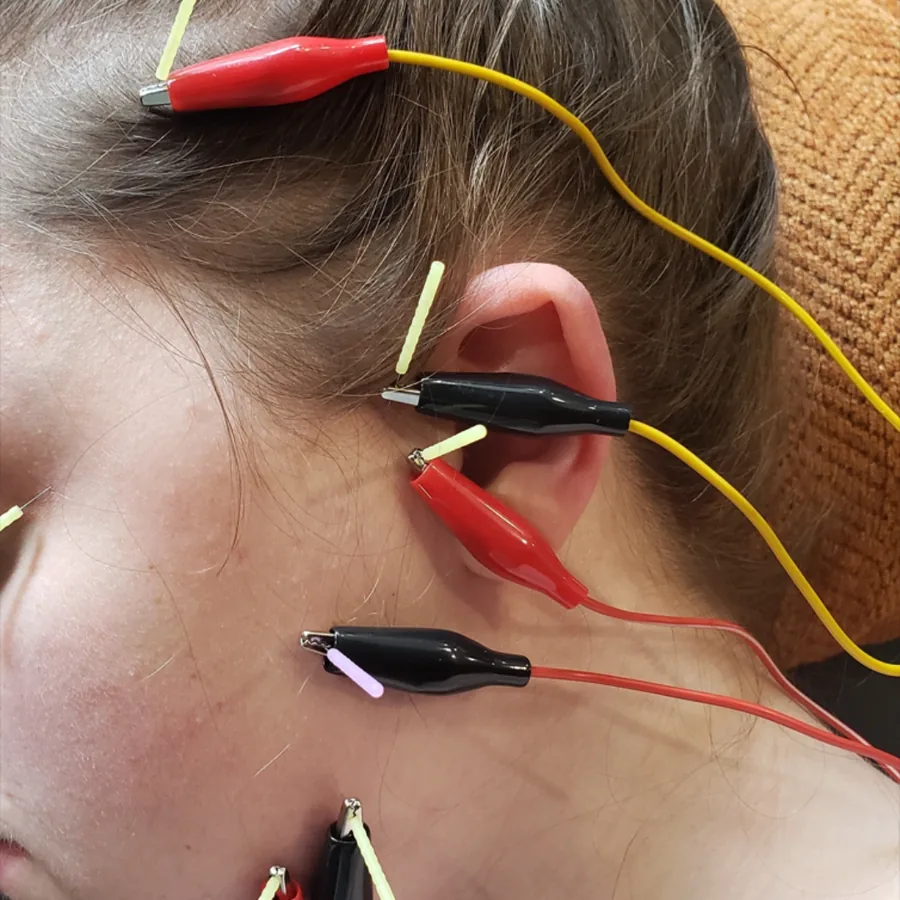
Fine microfilament needles into the trigger point that is actually driving your pain — releasing knots ordinary hands-on work cannot reach.
Explore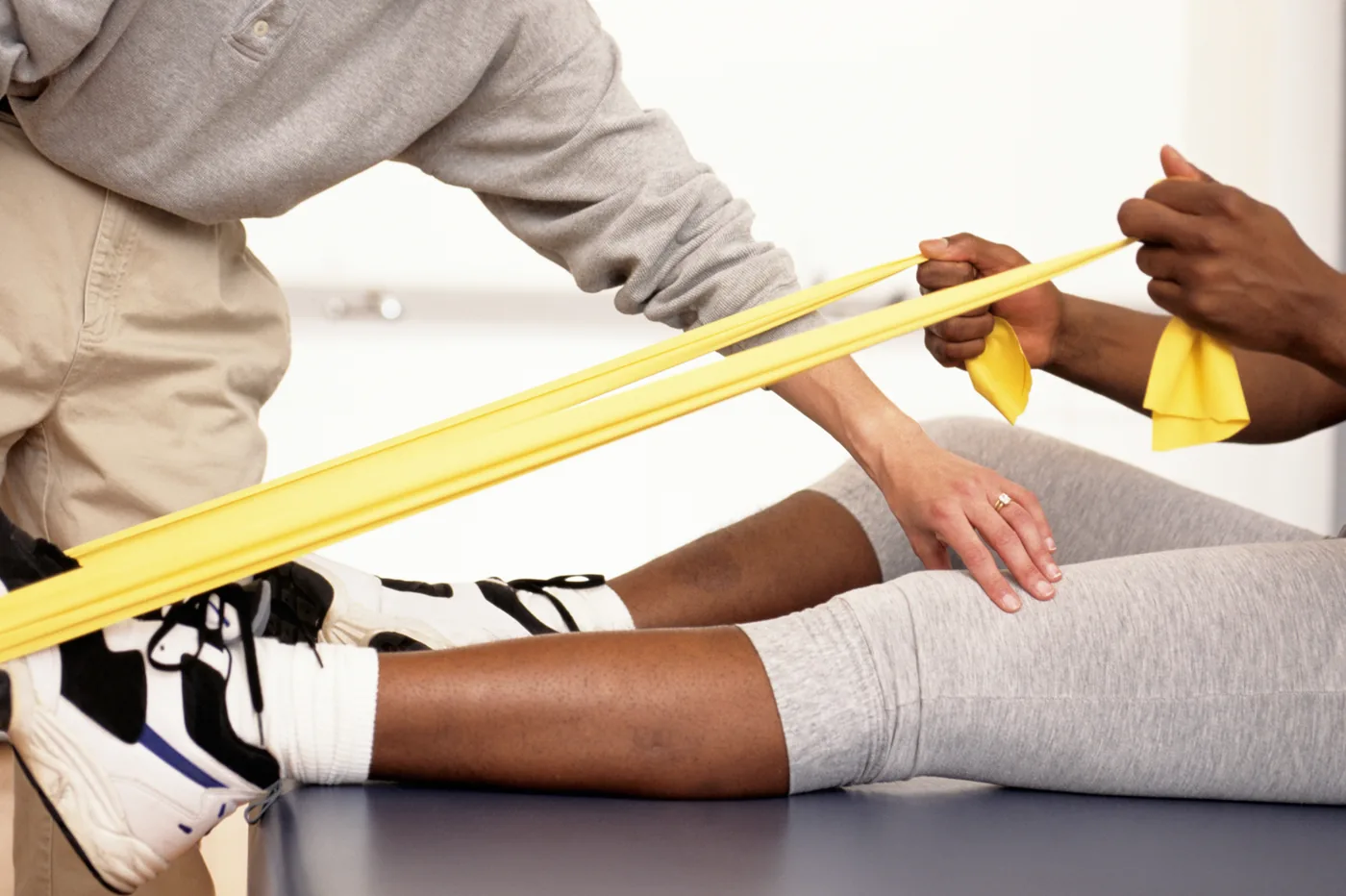
Spinal & Extremity Manipulation
A gentle, targeted thrust that restores movement to a specific joint — comfortable, controlled, and delivered inside your available range.
Explore
Blood Flow Restriction Therapy
Build strength and muscle size at light loads — one of the few practices in the Dallas area offering certified BFR inside a rehab plan.
ExploreReady to start?
Book a free discovery visit and find out whether dry cupping is the right tool for your problem. No referral needed, no obligation.