
Treatment · Physical therapy in Dallas, TXTelehealth Physical Therapy
The assessment, the plan and the coaching — wherever you happen to be, without losing an hour of your day to traffic.
- Problem areas identified through listening and observation of movement
- Ideal for progressing a program between hands-on visits
- Straight talk about what does and does not need hands

The short version
Telehealth Physical Therapy in 30 seconds
What it is
A live virtual physical therapy session. We identify your problem areas through listening and observation of movement, then guide you through a plan customized for you.
What it is good at
Assessment, movement retraining, load management and education — a large share of what physical therapy actually is.
What it cannot do
Hands-on care. Needling, manipulation and cupping require an in-person visit, and you will be told plainly which parts of your plan need them.
Why people choose it
What you get out of telehealth physical therapy
Virtual physical therapy for when travel, distance or a schedule makes an in-person visit impossible.
No travel, no lost hour
The session happens where you are. For a lunchtime appointment that is the difference between possible and impossible.
Your real environment on camera
Watching how you actually squat, reach or turn your head frequently tells more than a static clinic test would.
Keeps momentum between visits
Progressing a program, reviewing technique or adjusting load does not need hands — so it does not need a drive either.
Works from anywhere
Traveling for work, living outside Dallas, or stuck at home with children asleep upstairs — the plan continues.
A low-friction first step
A straightforward way to find out whether this approach is right for you before committing to in-person care.
Honest about scope
You will be told which parts of your plan genuinely need an in-person visit rather than sold a virtual version of everything.
Worth knowing
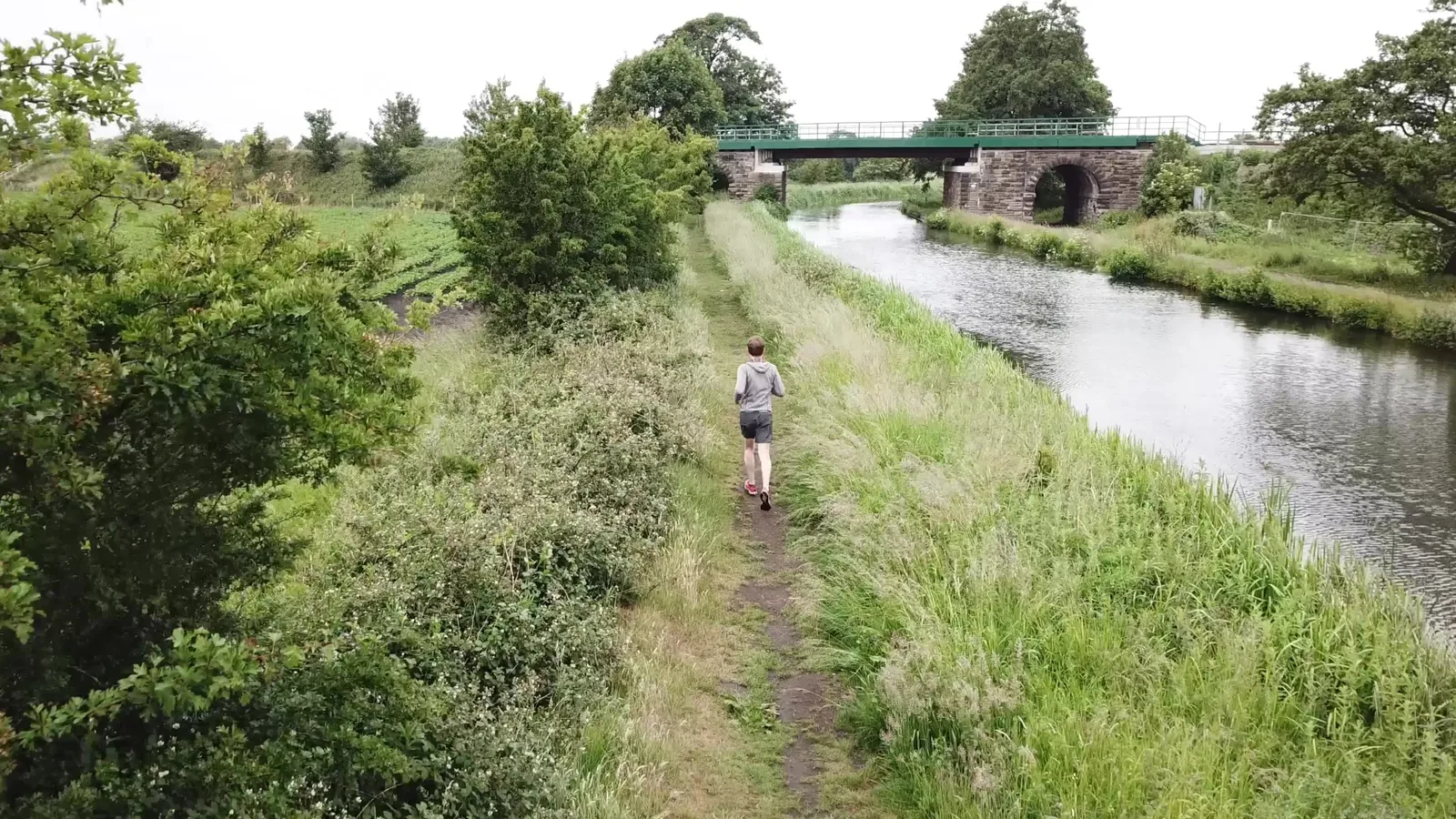
Listening and observation of movement
The session identifies your problem areas by watching how you move and hearing how the day actually goes — then you are guided through a plan customized to you.
What it commonly helps with
- Program progression between in-person visits
- Movement and technique coaching
- Load and training management
- Post-surgical exercise progression
- Clients outside the Dallas area
- Frequent travelers
Inside a session
What actually happens
Book a time
Sessions are by appointment, arranged directly with the practice.
Talk it through
History, aggravating factors, and what you actually need to get back to.
Move on camera
Guided movement screening so the limitation can be seen rather than guessed at.
Leave with a plan
A customized program, dosed and explained, plus what to watch for.
What to expect afterwards
Before
A short conversation about what is going on and what you want back.
During
Guided movement on camera, then coaching — corrections, dosage and the reasoning behind both.
After
A written program you can follow, and a clear statement of what, if anything, should be done in person.
Be honest with yourself
Is telehealth physical therapy right for you?
Being told “not this, and here is why” is part of the service. If it is not the right tool for your problem, you will hear that at the free discovery visit.
A good fit if
- You are mid-program and need it progressed
- You travel for work and do not want a four-week gap
- You live outside Dallas and the surrounding areas
- You want technique reviewed rather than tissue treated
- Getting out of the house is the hardest part of your day
- You want to test the approach before booking in person
Tell us first if
- Your plan needs dry needling, manipulation or cupping this week
- You have red flag symptoms that need in-person or medical assessment
- You have no space to move or no working camera
- You want purely passive treatment
In depth
Everything else worth knowing
Written for people who want the reasoning, not just the summary.
What a virtual session can and cannot do
Telehealth and virtual physical therapy services are offered. We identify your problem areas through listening and observation of movement, then guide you through a treatment plan customized for you.
A great deal of physical therapy is assessment, movement retraining, load management and education, and all of that translates to a screen. Watching how you actually squat, reach or turn your head tells a lot — frequently more than a static clinic test would.
What telehealth cannot do is deliver hands-on care. Needling, manipulation and cupping require an in-person visit, and you will be told directly which parts of your plan need hands and which do not.
For plenty of clients the honest answer is a mix: in-person visits for the hands-on work, virtual check-ins to progress the program without losing an hour to traffic.
Who chooses telehealth
People who travel for work and do not want a four-week gap in their plan. Clients outside the Dallas area. Anyone mid-program who needs their exercises progressed rather than a new treatment. Parents who cannot get out of the house on a weeknight.
It is also a low-friction way to find out whether this approach is right for you before committing to in-person care.
How a virtual assessment actually works
The session starts with history — what aggravates it, what eases it, what you have already tried, and what you need to be able to do again. That conversation narrows the possibilities considerably before anything is looked at.
Then movement. You are guided through specific positions and loads while being watched, which is where compensation shows itself: the hip that does not extend, the shoulder blade that wings, the knee that collapses inward on the fourth repetition rather than the first.
From there the plan is built and taught, with dosage explained rather than dictated. You finish the session knowing what you are doing, how much of it, and why.
Mixing virtual and in-person care
Most clients who use telehealth here do not use it exclusively. The pattern that works best is in-person visits for the hands-on components — manipulation, dry needling, cupping, instrument-assisted work, BFR set-up — with virtual sessions in between to progress load and check technique.
That combination keeps the plan moving without asking you to give up an hour of travel every time something needs adjusting.
Real Google reviews · Osteopractic Physical Therapy Dallas
Clients treated with this
“I’ve been dealing with hip pain for years and honestly thought it was just something I’d have to live with. After working with this PT, I’m finally running completely pain-free for the first time in years. Not only did they get rid of my…”
“I'm so grateful I was referred to Dr. Lockett, as his guidance and expertise really turned my situation around for the better. After seven knee surgeries I was quite weak and my functional capacity had never been lower; within weeks of…”
“I'm so glad I found Brent!!! I was having some serious back pain and after just a few sessions it was already feeling better. He's super knowledgable and I'm very thankful for him!”
Physical therapy FAQ · Dallas, TX
Telehealth Physical Therapy: 15 questions answered
Do you really offer telehealth?
Yes. Telehealth and virtual physical therapy services are offered alongside in-person mobile care.
Can you treat me virtually if I live outside Dallas?
Virtual sessions remove the travel constraint. Contact the practice with your location and you will get a straight answer about what is possible.
Is a virtual session as good as being seen in person?
For assessment, coaching and program progression it is genuinely effective. For dry needling, manipulation and cupping you need to be in the room, and you will be told that plainly.
What do I need for a session?
A device with a camera, enough space to move, and any equipment you own. That is it.
How long is a virtual session?
Sessions are by appointment and scheduled directly with the practice. Get in touch and the format and length will be confirmed for what you need.
Can you diagnose me over video?
A great deal can be established through history and observed movement. Where something needs hands-on testing, imaging or a physician, you will be told rather than given a guess.
Do I need a referral for telehealth?
No. A prescription for physical therapy is not required.
Can telehealth work for post-surgical rehab?
It is well suited to progressing a post-surgical exercise program, especially in the weeks when getting out of the house is difficult.
What if I have no equipment at home?
The program is built around what you have. Bodyweight, a chair, a doorway and a set of stairs cover far more than most people expect.
Can I mix virtual and in-person visits?
Yes, and it is what most clients do — in-person for the hands-on work, virtual for progression and technique.
Is my session private?
Sessions are conducted one-on-one and your information is handled confidentially, the same as any other visit.
Will I get a written program?
Yes. You finish with a customized program, dosed and explained, plus what to watch for as it progresses.
What if the session shows I need to be seen in person?
Then you will be told, and where you are inside the service area an in-person mobile visit can be arranged.
Do you take insurance for telehealth?
We are an out-of-network provider. A superbill is provided so you can file a claim with your insurer for potential reimbursement. Call for pricing.
How do I book?
Call the practice or send a request through the contact page and you will hear back with available times.

Dr. Brent Lockett
Dr. Lockett treats busy executives, professionals and athletes in chronic pain at the North Dallas clinic and across Dallas and the surrounding areas. He holds a Diploma in Osteopractic and is certified in dry needling, spinal manipulation and blood flow restriction therapy. Read his full background.
Written by Dr. Brent Lockett
Keep reading
Out-of-Network Physical Therapy: Why Fewer Visits Can Cost Less
The question is never the price of a visit. It is the price of getting better.
Read the articleWhat Happens at a Discovery Visit
A short, no-obligation conversation to work out whether I can help you, and what it would take.
Read the articleAlso offered
Other treatments
Dry Needling
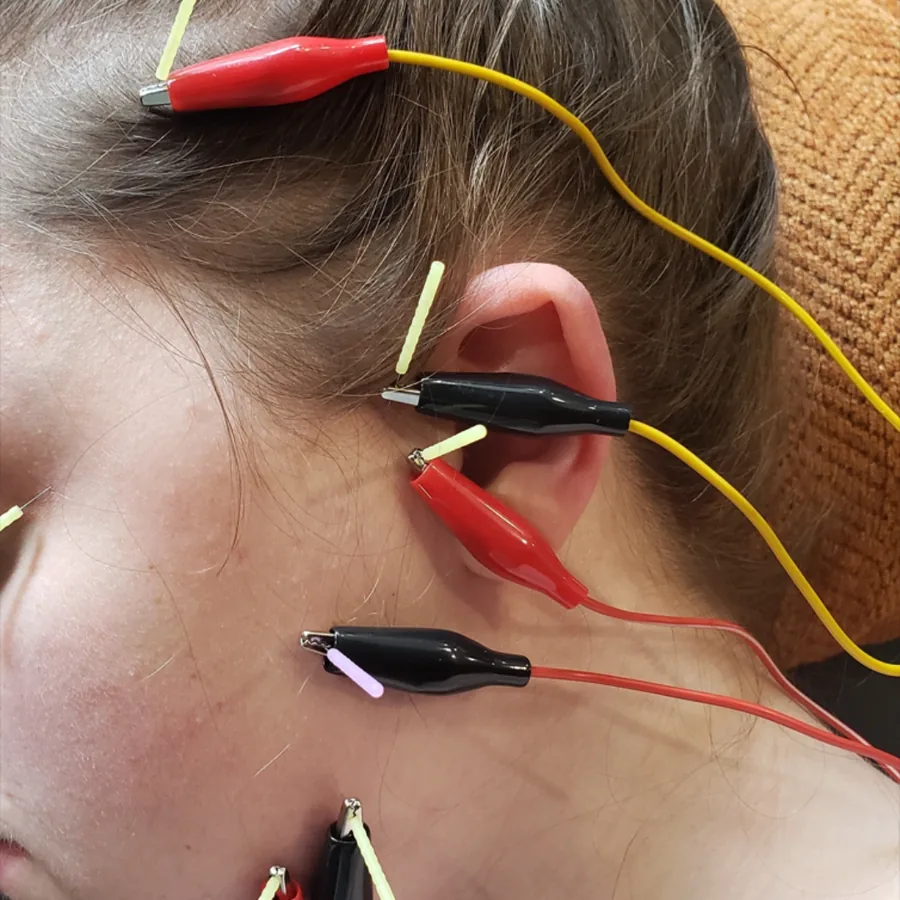
Fine microfilament needles into the trigger point that is actually driving your pain — releasing knots ordinary hands-on work cannot reach.
Explore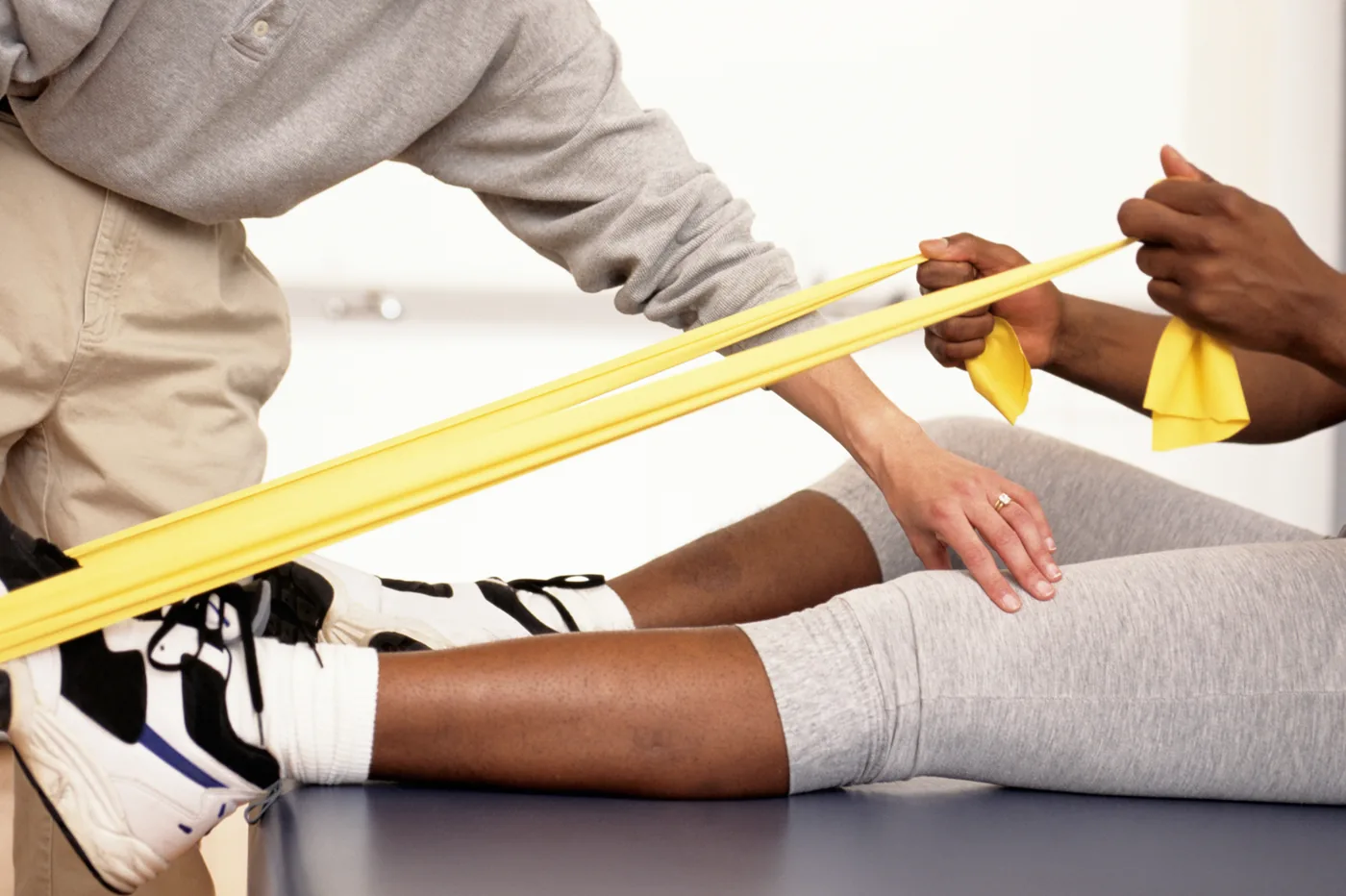
Spinal & Extremity Manipulation
A gentle, targeted thrust that restores movement to a specific joint — comfortable, controlled, and delivered inside your available range.
Explore
Blood Flow Restriction Therapy
Build strength and muscle size at light loads — one of the few practices in the Dallas area offering certified BFR inside a rehab plan.
ExploreReady to start?
Book a free discovery visit and find out whether telehealth physical therapy is the right tool for your problem. No referral needed, no obligation.