
Condition · Physical therapy treatment in Dallas, TXLow Back Pain
Stop managing the same flare-up every few months. We find the pattern that keeps loading the same tissue, change it, and teach you how to hold it.
- Most clients notice a change in the first two or three visits
- Nerve screening and red-flag checks before any treatment
- Treated at the clinic or where you train — no referral needed
The short version
Low Back Pain in 30 seconds
Low back pain that keeps returning is rarely a mystery. It is usually a pattern — and patterns can be found, tested and changed.
What we look for
Where the load is concentrating, what your hips and mid-back are contributing, and how much your back can actually tolerate.
What we do about it
Manipulation to restore the segments that stopped moving, needling or cupping where tissue is genuinely restricted, then loading so it holds.
What we rule out
Nerve involvement, and anything in your history that needs imaging or a physician before therapy. That call gets made first, not later.
What treatment gets you
Why people come in for this
A reason, not a mystery
You leave the first visit understanding what is actually driving it — in plain language, with the findings explained rather than announced.
The pattern changes, not just the pain
Rest settles a flare. Restoring hip and thoracic movement and rebuilding tolerance is what stops the next one arriving sooner than the last.
Weeks, not months
Four to eight one-on-one visits, because a full hour of assessment, treatment and coaching gets further than fifteen shared minutes.
Assessed where it happens
The chair, the car seat, the bed and the deadlift are all right there. We do not have to guess at your setup.
No pills, no injections
Manual therapy, needling and loading — the goal is a life free of a reliance on pain medication.
You leave able to manage it
Self-mobilization and a specific program built for your space, so a bad week does not become another episode.
Does this sound like you?
Signs we hear most often
None of this is a diagnosis. It is a good reason to have the area properly examined rather than managed for another year.
Common signs
- Pain that eases with rest and returns within weeks
- Stiffness that is worst in the first hour of the day
- Pain, tingling or numbness traveling below the knee
- One-sided pain that moves depending on your position
- A back that “goes” doing something trivial
- Sitting or driving being the worst part of your day
See a physician instead if
Get urgent medical care rather than therapy if you have loss of bladder or bowel control, numbness around the groin or inner thighs, progressive leg weakness, unexplained weight loss, or fever with back pain.
How we treat it
The tools we reach for

Spinal & Extremity Manipulation
A gentle, targeted thrust that restores movement to a specific joint — comfortable, controlled, and delivered inside your available range.
Explore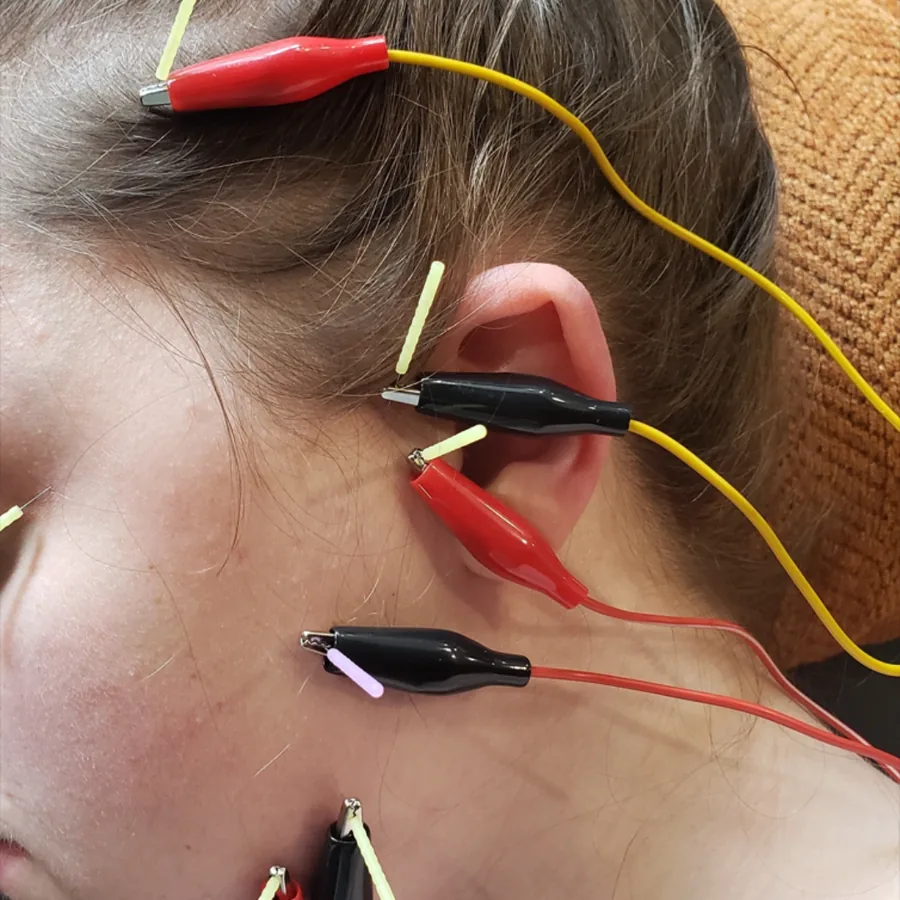
Dry Needling
Fine microfilament needles into the trigger point that is actually driving your pain — releasing knots ordinary hands-on work cannot reach.
Explore
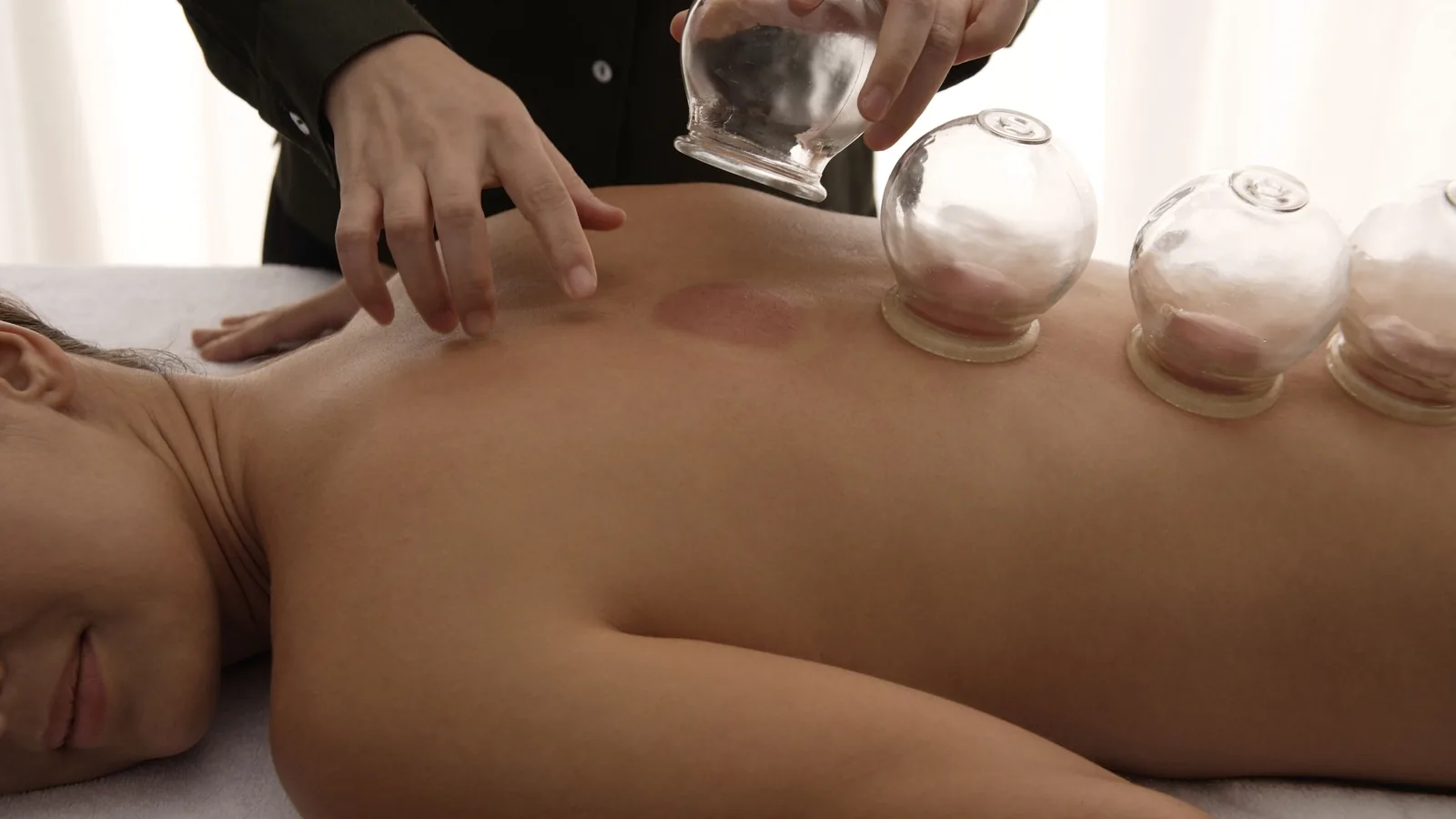
Dry Cupping
Suction that lifts skin, muscle and fascia — soft and deep tissue mobilization for areas that stay stiff no matter how much you stretch.
ExploreWhat to expect
First visit
History, a full neuro-musculoskeletal examination including nerve testing, findings explained, and hands-on treatment the same hour.
First two weeks
Most people see symptoms change early. That is the window we use to load properly, which is what makes the change stick.
Finishing
You leave with the self-treatment and strength work that keeps it gone, not a standing appointment.
Your first four steps
How it works
No referral needed, no waiting list to join, and nothing charged before you know this is the right fit.
Free discovery visit
We talk first. What is going on, what you have already tried, and whether this is genuinely the right approach for your problem. No charge, no obligation.
Full examination
A thorough neuro-musculoskeletal examination to find the root cause — including ruling out anything that should be seen by a physician instead.
Findings & plan
We go through what was found and what it means, then build an advanced treatment plan around the goals you actually came in with.
Treat, load, teach
Hands-on treatment, loaded movement, and the self-mobilization and exercise you need so the change holds between visits.
In depth
What is actually going on
Written for people who want the reasoning, not just the summary.
Why it keeps coming back
Most recurring low back pain is not one injury repeating itself. It is a movement pattern that keeps loading the same tissue in the same way, plus a nervous system that has learned to guard the area.
Rest calms the flare. It does not change the pattern, which is why the third episode arrives sooner than the second. Pain does not simply show up with age — it is the result of injuries, muscle and skeletal misuse over time. Movement caused the pain to appear, and correct movement and coaching can help it go away.
Sciatica adds a second layer: pain, numbness or weakness traveling down the leg because a nerve root is irritated. Where that irritation comes from — disc, joint, or the muscle the nerve runs past — changes the treatment entirely, and that is what the examination is for. Leg-dominant pain has its own guide to sciatica treatment.
Piriformis syndrome, and why it sits here
Piriformis syndrome is not a separate problem from sciatica — it is one of the things that can cause it. The sciatic nerve runs past, and in some people through, the piriformis muscle deep in the buttock. When that muscle is irritable and tight, it can irritate the nerve and produce pain down the leg that is indistinguishable from a disc-related sciatica at first glance.
The distinction matters because the treatment differs. Nerve root irritation from the spine responds to work at the spine; piriformis involvement responds to dry needling and manual work into the deep hip rotators, plus the hip strength that stops the muscle having to overwork.
Trigger points in the gluteus minimus and piriformis also refer pain down the leg convincingly on their own, without any nerve involvement at all. The examination separates these three, which is why buttock and leg pain is not treated on a hunch here.
What the examination looks for
A full neuro-musculoskeletal examination: what makes it better, what makes it worse, how the spine and hips move under load, what the nerve tests say, and whether anything in your history means you should be imaged or seen by a physician first.
Differential diagnosis is part of the post-doctorate osteopractic training precisely so that ‘this is not a therapy problem’ is an answer Dr. Lockett is equipped to give.
Real Google reviews · Osteopractic Physical Therapy Dallas
Clients with the same problem
“I'm so glad I found Brent!!! I was having some serious back pain and after just a few sessions it was already feeling better. He's super knowledgable and I'm very thankful for him!”
“After struggling with shoulder and back pain, I visited Dr. Lockett, and he provided such incredible relief! I feel so much more relaxed now.…”
“Dr. Lockett is the best at what he does. I had been dealing with back pain for almost 2 years before I finally called him. After a few months - back pain is…”
Physical therapy FAQ · Dallas, TX
Low Back Pain: 10 questions answered
Do I need an MRI first?
Usually not. Imaging findings and pain correlate poorly — plenty of pain-free people have disc changes on a scan. The examination tells us whether imaging would actually change what we do.
Is my disc “out of place”?
No. Discs do not slip in and out. They can bulge, irritate a nerve and become sensitive, and that is a very different — and much more treatable — problem than the phrase suggests.
How long until I feel a difference?
The typical client is seen one to two visits a week, and the plan runs until the result holds. Many notice a change in symptoms early; holding that change is what the rest of the plan is for.
Should I rest or keep moving?
Keep moving within tolerance. Walking is almost always tolerated and almost always helps. Complete rest calms the flare but costs you the capacity you need to stop the next one.
Why does it come back every few months?
Because rest resolves the flare and leaves the cause untouched. The movement pattern that loaded the tissue is unchanged, and you return to normal life with slightly less tolerance than you had before. That arithmetic only goes one way.
Is it my core? Do I need to strengthen my abs?
Sometimes, but “weak core” is the most over-prescribed explanation in the field. Stiff hips, a stiff mid-back and low overall load tolerance are more common findings, and the examination tells us which of them applies to you.
Can you treat sciatica, or do I need an injection?
That depends on what is irritating the nerve. Where it is a disc, joint or muscle problem, therapy has a great deal to offer. Where the presentation says otherwise, you will be told and pointed to the right person.
Does my mattress or my office chair matter?
Less than people hope. It is rarely the surface and much more often the hours spent in one position. Because sessions happen at your home or office, we can look at the actual set-up rather than theorize about it.
How long does back pain usually take?
The typical client is seen one to two visits a week, and the plan runs until the result holds without us. You will get an honest estimate after the first examination.
Will you crack my back?
Spinal manipulation is used where the examination indicates it, and it is comfortable, specific and momentum-induced rather than forced. If a segment is not a good candidate you will be told, and it will be treated another way.

Dr. Brent Lockett
Dr. Lockett treats busy executives, professionals and athletes in chronic pain at the North Dallas clinic and across Dallas and the surrounding areas. He holds a Diploma in Osteopractic and is certified in dry needling, spinal manipulation and blood flow restriction therapy. Read his full background.
Written by Dr. Brent Lockett
Keep reading
Why Your Low Back Pain Keeps Coming Back
Rest settles the flare-up. It does not touch the reason the flare-up happened — which is why the next one arrives sooner.
Read the article
The Truth About “Cracking” Your Back
The pop is not a bone going back into place, and a loud session is not a good session. Here is what is really happening.
Read the articleAlso treated
Other conditions
Headaches & Migraines
Migraine disorder affects the central nervous system. Osteopractic therapy targets the muscles and joints caught up in it.
Read more
Runner's Knee
Rapidly becoming a more common issue every year — and, in most cases, preventable.
Read moreArthritis
Relief from the symptoms, plus better movement quality — so everyday activities get easier rather than smaller.
Read moreGet an honest answer about your low back pain
The free discovery visit exists so you can find out whether this approach fits your problem before you spend anything.