
Condition · Physical therapy treatment in Dallas, TXSciatica
Find out what is actually irritating the nerve before anyone talks about injections. Disc, joint or deep hip muscle each need a different plan, and the examination tells them apart.
- Nerve testing and red-flag screening at the first visit
- Manipulation, dry needling and loading matched to the real source
- Treated at the clinic in North Dallas or where you train
The short version
Sciatica in 30 seconds
Sciatica is a symptom, not a diagnosis. The leg pain is real; the question is what is irritating the nerve, and that is what the first visit is for.
What it is
Pain, tingling, numbness or weakness along the sciatic nerve, from the buttock down the back of the thigh and often below the knee, because a nerve root or the nerve itself is being irritated.
Where it comes from
A disc pressing on a nerve root, a stiff or irritated joint in the lower spine, or the piriformis and gluteal muscles the nerve runs past. Each one feels similar and is treated differently.
What gets ruled out first
Progressive weakness, numbness around the groin, or bladder and bowel changes mean urgent medical care, not therapy. That screen happens before any treatment.
What treatment gets you
Why people come in for this
A named source, not a label
You leave the first visit knowing whether your leg pain is coming from the disc, the joint or the hip muscles, and why that changes what happens next.
The deep hip reached at depth
When the piriformis or gluteal trigger points are the driver, dry needling reaches them in a way that stretching and foam rolling do not.
The spine treated when it is the cause
Manipulation and directional loading for a nerve root irritated at the spine, then the hip and trunk strength that keeps the pressure off.
The leg symptoms are the marker
Where the pain reaches, and whether it is moving up the leg or down it, is tracked at every visit. Centralizing pain is the sign the plan is right.
Sixty minutes, one clinician
The whole hour is with Dr. Lockett. Nerve symptoms change within a session, and the plan is adjusted while that is happening, not a week later.
Honest about injections and surgery
Most sciatica settles without either. Where the examination says yours is the exception, you will be told and pointed to the right physician.
Does this sound like you?
Signs we hear most often
None of this is a diagnosis. It is a good reason to have the area properly examined rather than managed for another year.
Common signs
- Pain that starts in the buttock and travels down the back of the leg
- Tingling, pins and needles or numbness below the knee or into the foot
- Worse with sitting, driving, coughing or bending forward
- One leg only, often with a back that feels fine
- A calf or foot that feels weaker or clumsier on that side
- Pain that moves further down the leg on bad days and up it on good days
See a physician instead if
Get urgent medical care rather than therapy if you have loss of bladder or bowel control, numbness around the groin or inner thighs, weakness that is getting worse by the day, pain in both legs at once, or sciatica after a fall, with fever, or with unexplained weight loss.
How we treat it
The tools we reach for
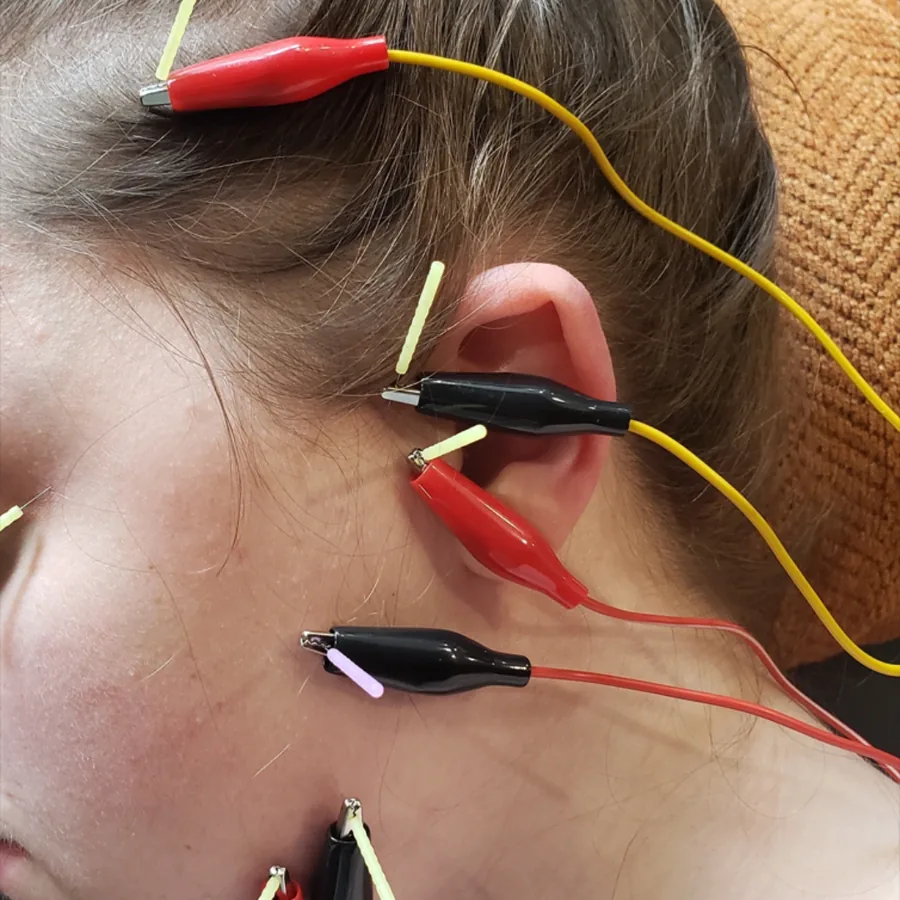
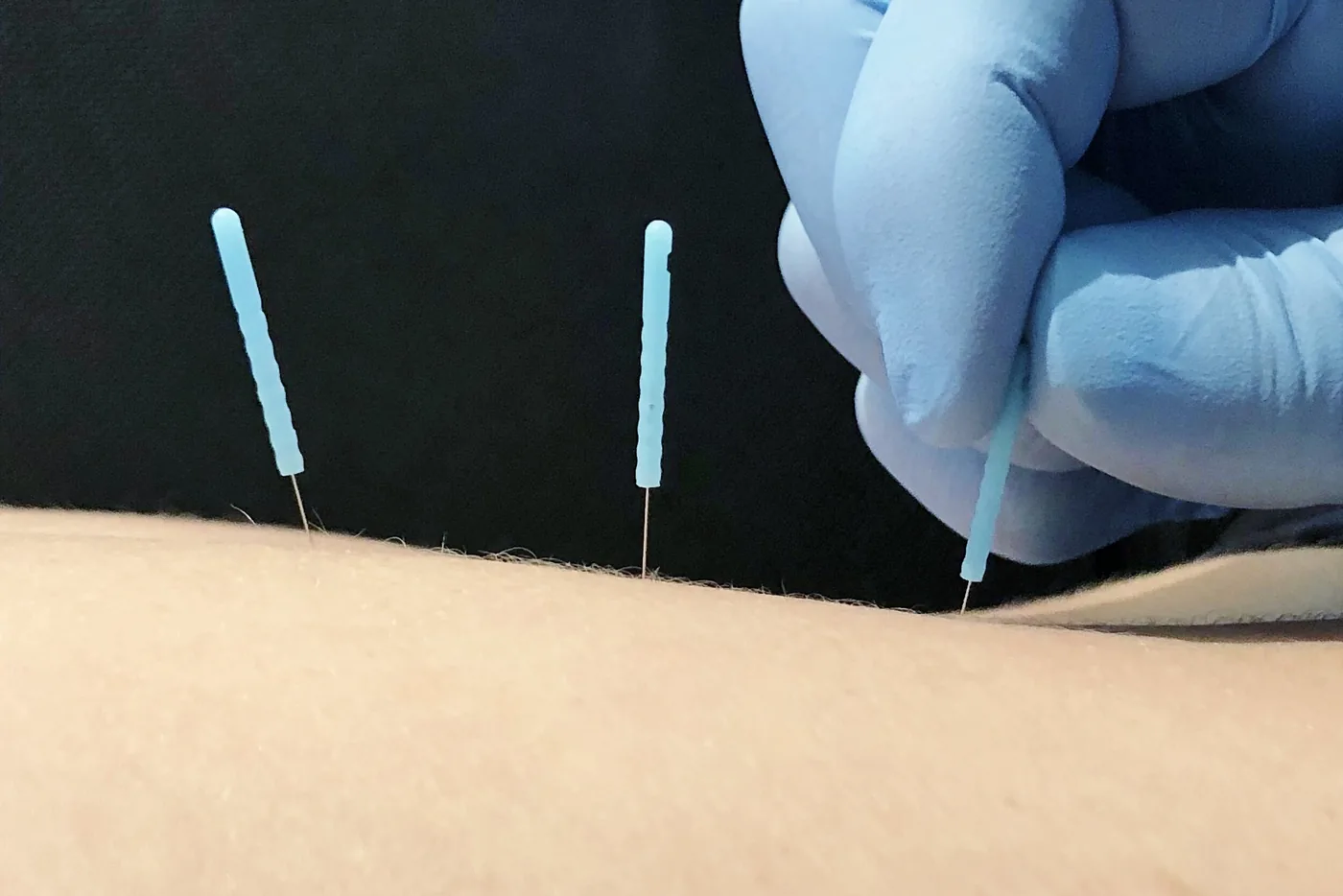
Dry Needling
Fine microfilament needles into the trigger point that is actually driving your pain — releasing knots ordinary hands-on work cannot reach.
Explore
Spinal & Extremity Manipulation
A gentle, targeted thrust that restores movement to a specific joint — comfortable, controlled, and delivered inside your available range.
Explore
Dry Cupping
Suction that lifts skin, muscle and fascia — soft and deep tissue mobilization for areas that stay stiff no matter how much you stretch.
ExploreWhat to expect
First visit
History, a full neuro-musculoskeletal examination including nerve tension and strength testing, the likely source explained in plain language, and hands-on treatment in the same hour.
First two weeks
The leg symptoms should start to centralize, moving up toward the back. That is the signal the plan is right and the point where loading starts.
Later
Hip and trunk strength, sitting and lifting tolerance, and whatever your week actually asks of your back, so the nerve stays calm once you are discharged.
Your first four steps
How it works
No referral needed, no waiting list to join, and nothing charged before you know this is the right fit.
Free discovery visit
We talk first. What is going on, what you have already tried, and whether this is genuinely the right approach for your problem. No charge, no obligation.
Full examination
A thorough neuro-musculoskeletal examination to find the root cause — including ruling out anything that should be seen by a physician instead.
Findings & plan
We go through what was found and what it means, then build an advanced treatment plan around the goals you actually came in with.
Treat, load, teach
Hands-on treatment, loaded movement, and the self-mobilization and exercise you need so the change holds between visits.
In depth
What is actually going on
Written for people who want the reasoning, not just the summary.
Three sources, one symptom
Sciatica describes pain along the sciatic nerve. It does not say why the nerve is irritated, and that is the whole problem with treating it as a diagnosis.
The first source is the spine: a disc bulge or a narrowed opening pressing on a nerve root as it leaves the lower back. This is the version most people assume they have, and it is common, but it is not the only one.
The second is the facet and sacroiliac joints of the lower spine and pelvis. An irritated joint refers pain into the buttock and thigh in a pattern that can look exactly like nerve root pain at first glance.
The third is muscular. The sciatic nerve runs past, and in some people through, the piriformis deep in the buttock. When that muscle and its neighbors in the gluteal group are irritable, they can irritate the nerve directly, and their trigger points refer pain down the leg on their own, without any nerve involvement at all.
The treatment for each is different. Spine-driven sciatica responds to work at the spine and to directional loading; joint-driven pain to manipulation and mobility; muscle-driven pain to dry needling and manual work into the deep hip, followed by the strength that stops the muscle overworking. Treating all three the same way is why so much sciatica care goes nowhere.
What the examination actually does
Separating the three sources is not guesswork. Nerve tension tests, reflexes, strength and sensation testing show whether a nerve root is involved and which level. Repeated movement testing shows whether the leg pain moves toward the spine or away from it, which is the most useful single finding in planning treatment.
Palpation and provocation of the deep hip tell us whether the piriformis and gluteal muscles reproduce your pain. Joint testing of the lumbar spine and pelvis does the same for the joints.
Differential diagnosis is a core part of the post-doctorate osteopractic training, so the examination also looks for the things that are not sciatica and not a therapy problem: hip joint disease, vascular causes, and the red flags listed on this page. Imaging is rarely needed to start. Where it would change the plan, you will be told so.
Why rest and stretching keep failing
Rest calms a flare and changes nothing about why it happened. Most people are told to stretch the hamstrings, which pulls on an already irritated nerve and frequently makes things worse.
What tends to work is the opposite: finding the movement direction that centralizes the pain and doing it often, settling the irritable tissue with needling, manipulation or cupping where that is the driver, and then rebuilding the capacity of the hips and trunk so the structure that was overloaded stops being overloaded.
Sitting tolerance is usually the real-world measure. A long drive, a day at a desk, a flight. The plan is built around whichever of those your life actually contains.
Injections, surgery and when they belong
Most sciatica settles with conservative care, and most guidelines put a trial of movement-based treatment before an injection or a surgical opinion. Where there is progressive weakness, intractable pain that has not responded to a proper trial, or any of the red flags above, a physician is the right next step, and that opinion gets given plainly here rather than after months of visits.
Where therapy is the right path, it is also the one that leaves you with something: a back and hips that tolerate more than they did, and a plan for a bad week that does not involve starting over.
Real Google reviews · Osteopractic Physical Therapy Dallas
Clients with the same problem
“I'm so glad I found Brent!!! I was having some serious back pain and after just a few sessions it was already feeling better. He's super knowledgable and I'm very thankful for him!”
“After struggling with shoulder and back pain, I visited Dr. Lockett, and he provided such incredible relief! I feel so much more relaxed now.…”
“Dr. Lockett is the best at what he does. I had been dealing with back pain for almost 2 years before I finally called him. After a few months - back pain is…”
Physical therapy FAQ · Dallas, TX
Sciatica: 11 questions answered
What is the fastest way to relieve sciatica pain?
Find the movement direction that moves the pain up the leg toward the back and repeat it often, avoid prolonged sitting and aggressive hamstring stretching, and get the source examined. Which of needling, manipulation or loading helps fastest depends on whether the nerve is irritated at the spine, the joint or the hip.
Can dry needling help sciatica?
Yes, when the deep hip muscles are part of the picture. Trigger points in the piriformis and gluteal muscles refer pain down the leg and can irritate the nerve directly. Needling reaches them at a depth hands and foam rollers cannot. It is less useful when the irritation is purely at the nerve root.
Is sciatica a disc problem?
Sometimes. A disc bulge pressing on a nerve root is one of three common causes, alongside irritated joints in the lower spine and pelvis and the deep hip muscles. The examination tells them apart; the leg pain alone does not.
Do I need an MRI before treatment?
Usually not. Many pain-free people have disc changes on a scan, and the scan rarely changes the first weeks of treatment. Imaging is for red flags, progressive weakness, or a trial of therapy that has not worked.
Should I stretch my hamstrings?
Not while the nerve is irritated. A hamstring stretch pulls directly on the sciatic nerve, and most people with sciatica feel worse the next day for it. Nerve gliding and the movement direction found at the examination are the safer place to start.
How long does sciatica take to go away?
That depends on the source and how long it has been there. Many people notice their leg symptoms centralizing within the first two weeks of the right plan; building the tolerance that keeps it away is what the rest of the visits are for. You get an honest estimate after the examination, not before it.
Can sciatica go away on its own?
A first episode often eases over weeks. What rest does not change is the pattern that caused it, which is why repeat episodes tend to arrive sooner and last longer. The plan here is as much about the next episode as this one.
What is the difference between sciatica and piriformis syndrome?
Piriformis syndrome is one possible cause of sciatica: the muscle deep in the buttock irritating the nerve that runs past it. The leg pain can feel identical to a disc problem. The treatment is different, which is why the examination matters more than the label.
Will spinal manipulation help, or make it worse?
When the examination shows a stiff or irritated segment in the lower spine or pelvis, manipulation is one of the quickest ways to change it. It is not used where the testing says a nerve root is acutely compressed. The decision is made from the findings, not from a protocol.
Do I need a referral to be seen for sciatica in Texas?
No. Texas allows direct access to physical therapy, so you can book an examination without seeing a physician first. If the examination finds something that needs a physician, you will be told and referred.
Can you treat sciatica at my home or office?
Yes. Most clients are seen at the clinic on North Central Expressway, and mobile visits are available across Dallas for those who need them. The examination and treatment are the same either way.

Dr. Brent Lockett
Dr. Lockett treats busy executives, professionals and athletes in chronic pain at the North Dallas clinic and across Dallas and the surrounding areas. He holds a Diploma in Osteopractic and is certified in dry needling, spinal manipulation and blood flow restriction therapy. Read his full background.
Written by Dr. Brent Lockett
Keep reading
Sciatica or Piriformis? Why the Difference Changes Treatment
Both send pain down the back of the leg. One starts at the spine and one starts in the buttock, and the treatments barely overlap.
Read the articleHerniated Disc: What Physical Therapy Can Do Before Surgery
Most herniated discs improve without surgery. What physical therapy does in the meantime, and the signs that mean you should not wait.
Read the article
Why Your Low Back Pain Keeps Coming Back
Rest settles the flare-up. It does not touch the reason the flare-up happened — which is why the next one arrives sooner.
Read the articleAlso treated
Other conditions
Low Back Pain
The most common reason people call — and the one most often treated as a symptom rather than a pattern.
Read moreHeadaches & Migraines
Migraine disorder affects the central nervous system. Osteopractic therapy targets the muscles and joints caught up in it.
Read more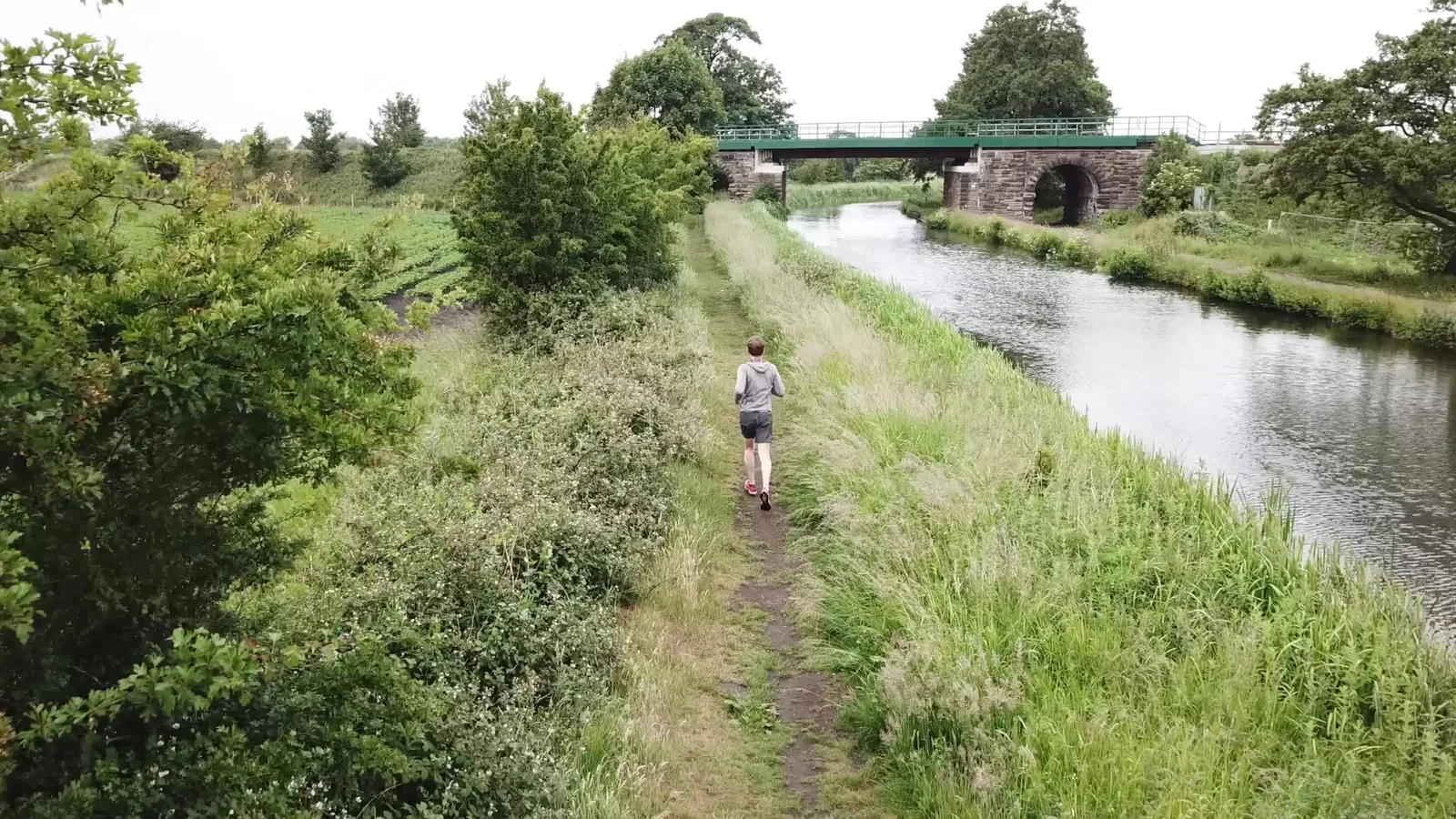
Runner's Knee
Rapidly becoming a more common issue every year — and, in most cases, preventable.
Read moreGet an honest answer about your sciatica
The free discovery visit exists so you can find out whether this approach fits your problem before you spend anything.