The short answer
Most herniated discs improve without surgery, and physical therapy is the usual first treatment: easing nerve irritation, restoring movement and rebuilding strength while the disc settles. In Dallas, Dr. Brent Lockett, PT, DPT treats disc problems one-on-one at 10670 North Central Expressway, with no referral required.
- Most herniated discs improve without surgery as the body reabsorbs disc material.
- Physical therapy eases nerve irritation, restores movement and rebuilds strength while that happens.
- Groin numbness, bladder or bowel changes, or worsening leg weakness need urgent medical care.
- In Dallas, disc problems are treated one-on-one by Dr. Brent Lockett, PT, DPT, with no referral required.
“Herniated disc” is one of the most frightening phrases on an MRI report, and one of the most misunderstood. It sounds structural and permanent. In most people it is neither, and understanding why changes what you do next.
What a herniated disc is
The discs between the vertebrae have a tough outer ring and a softer center. A herniation is when some of that inner material pushes through the ring.
On its own, that is often painless. Many people without back pain have disc bulges and herniations on imaging. The pain comes when the herniation irritates a nearby nerve root, which is why the main symptom is often leg pain rather than back pain.
That leg pain is what most people call sciatica. More on telling it apart from muscular causes in sciatica or piriformis.
Why most improve without surgery
The body reabsorbs herniated disc material over time, and larger herniations often shrink the most. Nerve irritation settles as that happens.
Leg pain from a disc commonly improves over weeks to months with conservative care, which is why most guidelines recommend a proper trial of physical therapy before surgery is considered for people without warning signs.
The goal of physical therapy in that period is to keep you moving, calm the nerve down, and rebuild the strength that protects the back, so recovery is faster and the problem is less likely to return.
Warning signs that need a surgeon now
Numbness in the groin or inner thighs, new difficulty passing urine or controlling the bladder or bowels. This is an emergency: go to an emergency room the same day.
Weakness in the leg or foot that is getting worse, such as a foot that is starting to drag.
Severe leg pain that is not settling at all after a proper period of care.
These are screened at every first visit here. Surgery earns its place in those situations, and you will be referred promptly. See physical therapy before orthopedic surgery.
What the examination looks for
Which nerve root is involved, from the pattern of pain, sensation, reflexes and strength.
Which movements and positions ease the leg pain and which provoke it. Many disc problems have a clear directional preference, and finding it shapes the first weeks of treatment.
Whether other structures are contributing: stiff segments above and below, guarding muscles, the hip, and trigger points that refer pain down the leg.
Your scan, if you have one, is read alongside the examination, not instead of it. See what an MRI changes for back pain.
How treatment works here
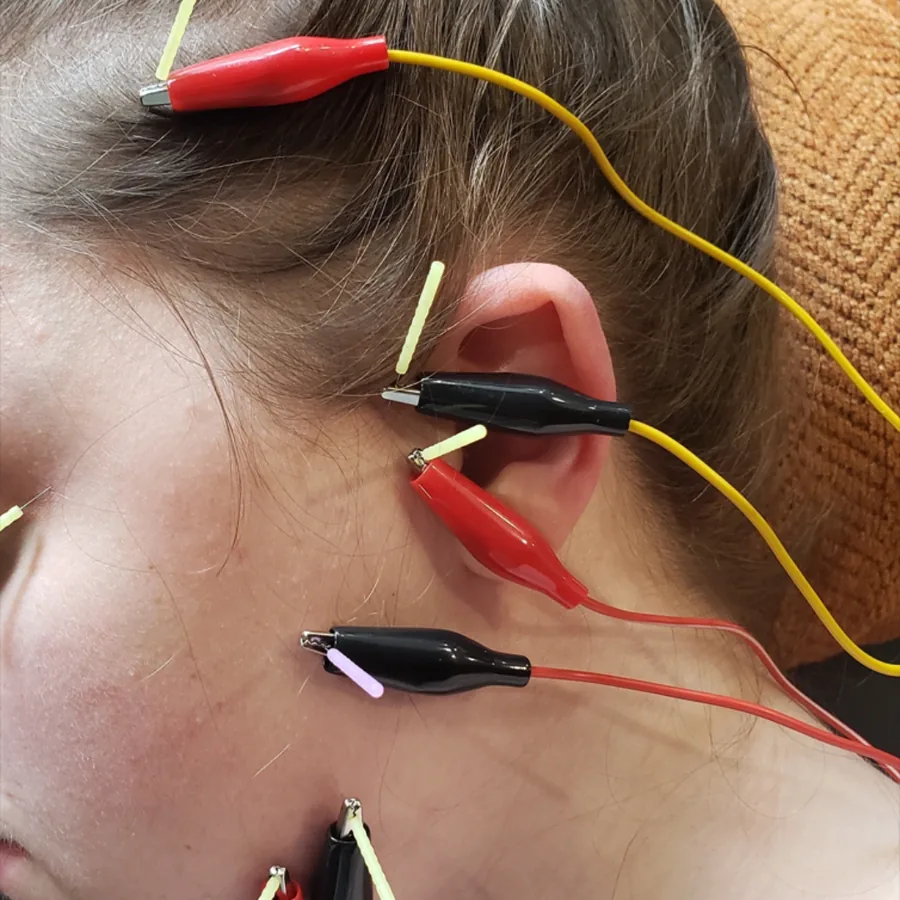
Hands-on treatment to ease pain and restore movement: manipulation of stiff segments where it is appropriate, and dry needling of the muscles guarding the back and hip.
Positions and movements based on your directional preference, so you have something that eases the leg pain at home.
Progressive loading as the nerve settles, from walking tolerance to hip and trunk strength to the lifting you need for work and life.
Where heavy loading is not yet tolerated, blood flow restriction training can build leg strength at light weights.
Is manipulation safe with a disc problem?
The manipulation decision is made by examination. Stiff segments above and below an irritated level can often be treated comfortably, and many people find it eases pain and movement.
When the nerve is highly irritable, gentler techniques and positions come first. Differential diagnosis, part of the Diploma in Osteopractic training, is what decides which is which. See spinal manipulation.
What you can do at home right now
Keep walking, in short bouts if that is what you can tolerate. Walking is one of the most reliable things for disc-related pain.
Avoid long periods in the one position that provokes your leg pain; for many people that is prolonged sitting.
Do not rest in bed for days. Short rest in a comfortable position is fine; prolonged bed rest slows recovery.
Notice which positions ease the leg pain. That information is valuable at your first appointment. More in sitting all day and back pain.
How progress is measured
The single most useful sign is leg pain moving back toward the spine or shrinking in area, even if back pain lingers for a while.
Walking and sitting tolerance increasing week by week.
Strength and reflex findings holding steady or improving.
Sleep improving, because night pain is often one of the first things to ease as the nerve calms.
If those are moving the right way, the case for surgery weakens with every week of progress. If they are not, that is useful information for a surgeon, and the conversation moves on with evidence.
Bulge, protrusion, extrusion: does the word matter?
Reports use several terms for disc material that has moved: bulge, protrusion, extrusion, sequestration. They describe shape and size on the image.
They matter less than people fear. The size of a herniation on a scan does not reliably predict how much it hurts, and some of the larger ones are the ones the body reabsorbs most readily.
Two people with identical reports can have completely different symptoms, and the same person's scan often looks much the same after the pain has gone. That is why the report is one input, not the verdict.
What matters more is what the nerve is doing: the pattern of pain, sensation and strength, and whether it is improving. That is measured at every visit.
Neck discs too
Discs in the neck herniate in the same way, and the main symptom is often pain, tingling or weakness down the arm rather than neck pain.
The same principles apply: most settle without surgery, and progressive weakness, clumsy hands or balance changes need a physician promptly.
See neck pain into the arm and neck pain treatment.
Why pain medication is not the plan
Medication can take the edge off during the worst weeks, and that decision belongs with your physician.
It does not reabsorb the disc, calm the nerve or rebuild strength. People who rely on it and move less often end up weaker and more sensitive by the time the disc has settled.
Movement is the treatment; medication, when it is used, is what makes the movement possible. More in physical therapy instead of pain medication.
Preventing the next episode
Discs tolerate load well when the muscles around them are strong and the load is built up gradually. They do poorly with sudden jumps in load after weeks of inactivity.
A strength program that covers the hip, trunk and legs, kept up after the pain has gone, is the most practical protection. See why low back pain keeps coming back and why “lift with your legs” is the wrong advice.
If you do end up having surgery
Going into surgery stronger improves recovery, so the work done beforehand is not wasted.
Rehabilitation after a discectomy or fusion follows the surgeon's protocol, and a structured plan makes the first weeks far more manageable. See post-surgical rehab: the first six weeks.
Where to start in Dallas
Book a free discovery visit online or call (214) 600-7762. No referral is required in Texas.
Bring your imaging report if you have one. The first full visit is 60 minutes, one-on-one with Dr. Lockett, at 10670 North Central Expressway in North Dallas. Details on the lower back pain and sciatica page.
Questions people ask
Physical therapy for a herniated disc in Dallas
Osteopractic Physical Therapy & Pain Relief in North Dallas treats herniated discs with examination-led manipulation, dry needling, directional exercise and progressive strengthening, one-on-one with Dr. Brent Lockett, PT, DPT. No referral is required.
Can a herniated disc heal without surgery?
In most people, yes. Herniated disc material is often reabsorbed over time and nerve irritation settles, especially with physical therapy keeping you moving and building strength. Warning signs such as bladder changes need urgent care.
Should I see a physical therapist or a surgeon for a herniated disc?
Without warning signs, most guidelines recommend physical therapy first. Progressive weakness, groin numbness or bladder and bowel changes need a surgeon or emergency room promptly.
Is walking good for a herniated disc?
Usually, yes. Walking in short, tolerable bouts is one of the most reliable things for disc-related pain, and prolonged bed rest tends to slow recovery.
Do I need an MRI before physical therapy for a disc problem?
Usually not. Without warning signs, the examination guides treatment, and an MRI is reserved for cases where surgery or an injection is being considered or symptoms are not improving. If you already have one, bring the report.