The short answer
You can book a 30-minute dry needling session at Osteopractic Physical Therapy & Pain Relief, 10670 North Central Expressway in North Dallas. It is a short, focused session with Dr. Brent Lockett for fast, targeted relief of a specific area, used on its own or alongside a wider plan.
- 30-minute dry needling sessions are available in North Dallas with Dr. Brent Lockett, PT, DPT.
- They suit a specific, known problem, a top-up inside a plan, or a flare-up before a race or a busy week.
- A new, complex or recurring problem is better served by a full 60-minute visit.
- Book two or three days before a key session to allow for normal soreness.
Not every problem needs a full hour. Sometimes you know exactly which muscle it is, you have had it before, and you want it released before Saturday's race or Monday's flight. That is what the 30-minute session is for, and this is how it works, who it suits, and when to book the longer visit instead.
What happens in 30 minutes
A short check-in on what has changed and what you need the area to do this week.
A focused examination of that area to confirm where the trigger points are and that nothing has changed which needs a different approach.
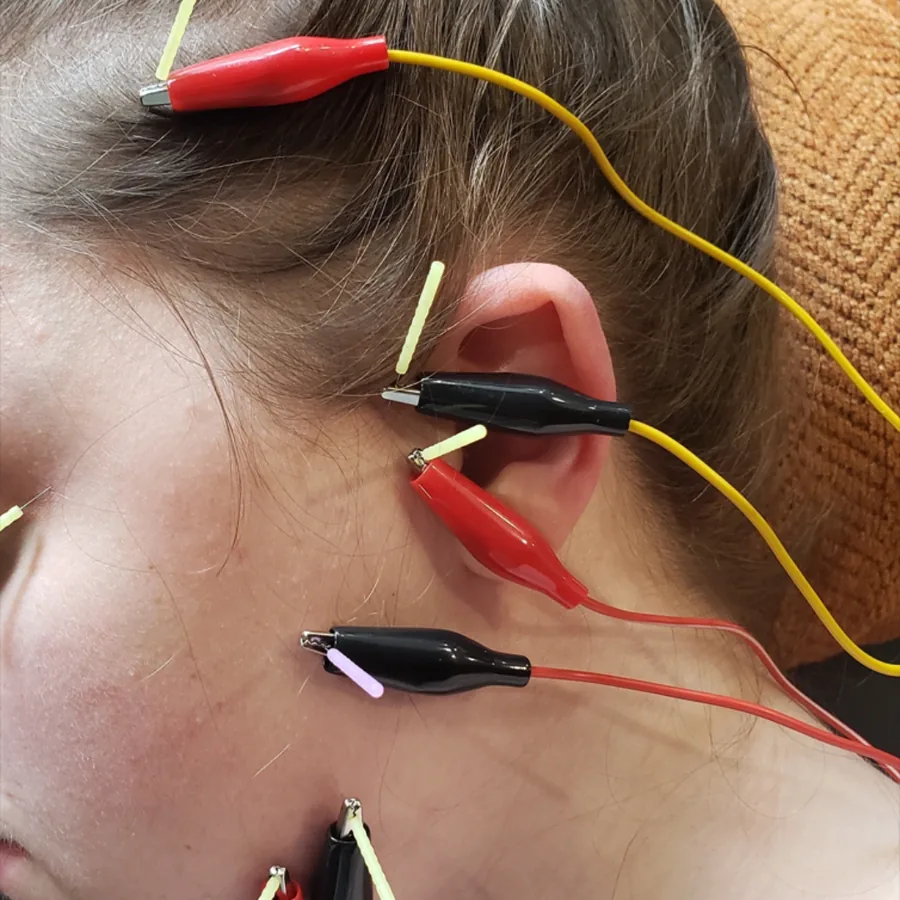
Dry needling of the tissue driving the problem, which is often a few inches from where it hurts.
A quick re-test so you can feel the change in range of motion, and one or two movements to keep it.
Who it suits best
Runners and lifters with a known, recurring muscle: a calf that tightens late in a run, a hamstring before a heavy pull, an upper trap after a week at a desk.
People already in a plan who want a top-up between full visits.
Professionals whose flare-up has arrived mid-project and who can spare half an hour but not an afternoon.
Anyone who has been needled before and knows how their body responds.
Weekend athletes who want a recurring tight spot dealt with before it turns into a strain, rather than after.
When a full hour is the better choice
A new problem, or one that has never been properly examined. The first hour exists to find the source, and needling the wrong tissue is wasted time.
Pain that involves a joint, a nerve or several regions at once, where manipulation and loading need to be part of the same session.
A problem that keeps coming back despite needling, which usually means the strength or movement side has not been addressed.
Anything with warning signs that needs screening before hands-on treatment.
Why short sessions work for trigger points
A trigger point is a local, specific problem. Once it has been found, releasing it takes minutes rather than an hour.
The range-of-motion change is usually immediate, which is why athletes use it before competition and why desk workers use it when a neck or back seizes up.
The endorphin release that comes with needling adds to the sense of relief on the day. More on the mechanism in what dry needling treats.
Areas that respond well to a short session
The neck and upper back: upper trapezius, levator scapulae and the muscles at the base of the skull, which are behind a large share of desk-related neck pain and headaches.
The lower back and hips: quadratus lumborum, the gluteal muscles and piriformis, especially when a back has seized after a long drive or a heavy lift.
The calves and shins, for runners whose calf tightens late in a run or whose shins flare as mileage climbs.
The forearm, for tennis and golfer's elbow and the grip-heavy work that feeds them.
The shoulder, where trigger points in the rotator cuff and around the shoulder blade limit overhead reach.
Why the practice offers it
Dry needling has always been part of the larger pain management plans here. The short session exists because many people want that relief on its own, at the moment they need it, without committing a full hour.
Stimulating trigger points relieves tension quickly and prompts the brain to release endorphins. For a known, specific problem, that effect does not need an hour to arrive.
It also lowers the barrier for people who are curious about dry needling but not yet sure about a full plan. Half an hour is enough to find out how your body responds.
If you have never been needled before
Say so when you book. The first short session includes a health screen and a focused examination, so the needle goes to the right tissue for the right reason.
Most people describe the insertion as barely noticeable. The twitch when a trigger point releases is the part that surprises people, and it passes in a moment. See does dry needling hurt.
If the examination suggests the problem is not mainly muscular, you will be told, and a full visit will be suggested instead of a needle that is unlikely to help.
Timing it around training and competition
Mild soreness in the treated muscle for a day or two is normal, so the ideal slot is two or three days before a key session rather than the morning of it.
Light movement and easy training afterward are usually encouraged. Heavy loading of the exact muscle that was treated is better left until the next day.
For a race or tournament weekend, a session early in the week is the usual choice. For plans around racing, see return to running after injury.
Using it alongside a full plan
Inside a longer plan, the 30-minute session keeps a stubborn area quiet between full visits while strength catches up.
It also works well as the plan tapers: full visits spread further apart, with a short needling session when a familiar trigger point flares.
Packages cover full visits: a 6 visit pain/movement plan at $840 and a 12 visit performance package at $1560. See packages and pricing.
What it will not do
It will not replace strength. A muscle that keeps tightening is often protecting a joint or compensating for weakness somewhere else, and releasing it without addressing that brings the same knot back.
It will not diagnose a new problem in passing. If something in the quick examination does not fit, you will be told, and the right next step is a full visit.
And it is not a weekly habit to keep forever. If you need a needle every week to function, the plan needs changing, and saying so is part of the service.
Safety, in brief
Every needle is sterile, single-use and disposed of immediately.
Tell us about blood-thinning medication, bleeding disorders, pregnancy, a needle phobia or any recent change in your health before the session.
Needling is not performed over infection, open wounds or areas with symptoms that need a physician first. The full screening is on the dry needling page.
What people feel afterward
Most people feel looser immediately and notice better range of motion. Some feel slightly tired for a few hours.
Mild soreness for a day or two is expected and settles with light movement. See dry needling aftercare for what helps.
Home, office or gym
Most short sessions are booked at the North Dallas clinic, where the time is spent on treatment rather than travel.
Visits at your home, office or gym are available as an option with an upcharge, which some teams and busy professionals prefer. See mobile physical therapy.
How to book
Book online or call (214) 600-7762. No referral is required in Texas.
If you have not been seen before, mention it, and the first appointment will include enough of an examination to needle safely and specifically.
The clinic is at 10670 North Central Expressway, Suite 110, Dallas, TX 75231, convenient to the Park Cities, Preston Hollow and the North Central corridor.
If you are unsure which format fits, the free discovery visit settles it.
Questions people ask
Where can I get a 30-minute dry needling session in Dallas?
At Osteopractic Physical Therapy & Pain Relief, 10670 North Central Expressway, Suite 110, in North Dallas. Dr. Brent Lockett, PT, DPT offers 30-minute focused dry needling sessions for fast, targeted relief. Book online or call (214) 600-7762; no referral is needed.
Is a 30-minute dry needling session enough?
For a specific, known trigger point, often yes. For a new problem, several painful areas or something that keeps coming back, a full 60-minute visit is the better choice because it includes the examination and loading.
Can I book dry needling without a full physical therapy plan?
Yes. The 30-minute session can be booked on its own. If the examination suggests something else is driving the problem, you will be told.
How long before a race should I get dry needling?
Two or three days before is usually ideal, because mild soreness in the treated muscle is normal for a day or two.
Can I go back to work after a 30-minute dry needling session?
Yes. Most people go straight back to their day feeling looser. Some feel slightly tired for a few hours, and light movement helps any soreness settle.