
Treatment · Physical therapy in Dallas, TXSpinal & Extremity Manipulation
Restore movement to the one joint that has stopped contributing — comfortably, specifically, and inside a plan that makes the change last.
- Momentum-induced and performed mid-range, never forced
- Spine and extremities: shoulder, elbow, hip, knee, ankle
- Always followed by loading, so the range you gain sticks

The short version
Spinal & Extremity Manipulation in 30 seconds
What it is
A specific, low-amplitude, momentum-induced thrust applied to one identified joint to restore its movement.
What it does
Muscle guarding around the joint drops, range of motion improves and pain sensitivity typically reduces within seconds.
How it is kept safe
Post-doctorate differential diagnosis training governs the technique. Some joints and histories are treated a different way, and you will be told which.
Why people choose it
What you get out of spinal & extremity manipulation
A gentle, targeted thrust that restores movement to a specific joint — comfortable, controlled, and delivered inside your available range.
Immediate movement you can feel
Most clients notice the difference before they stand up — a joint that would not turn, turns.
Comfortable by design
Techniques are momentum-induced and performed in the middle of your available range, not at the end of a range you cannot control.
Spine and extremities
The same thrust techniques apply to shoulders, elbows, wrists, hips, knees and ankles — not only the back and neck.
Screened before it is used
Differential diagnostics is part of the osteopractic training precisely so that “not this, and here is why” is an answer you can get here.
Fewer visits, not more
Because every manipulation is followed by loading, the plan moves toward discharge rather than an open-ended schedule.
In your own space
At the clinic, or at your home, office or gym anywhere in Dallas and the surrounding areas.
Worth knowing
Comfortable by design
Manipulation is performed in the middle of your available range, with momentum rather than force. If a joint is not a good candidate — or if your history says we should image first — you will be told, and treated another way.
What it commonly helps with
- Neck (cervical) pain
- Lower back pain
- Thoracic stiffness
- Headaches
- Sacroiliac pain
- Disc-related pain
- Rib and mid-back restriction
- Frozen shoulder
- Hip and knee stiffness
- Foot and ankle restriction
Inside a session
What actually happens
Differential diagnosis first
The first job is ruling out what should not be manipulated, and identifying what should.
Prepare the tissue
Soft tissue work, instrument-assisted mobilization or dry needling to quiet the guarding around the joint we are about to move.
The thrust itself
A specific, low-amplitude, momentum-induced technique. It takes a fraction of a second and most people are surprised how little there is to it.
Load the new range
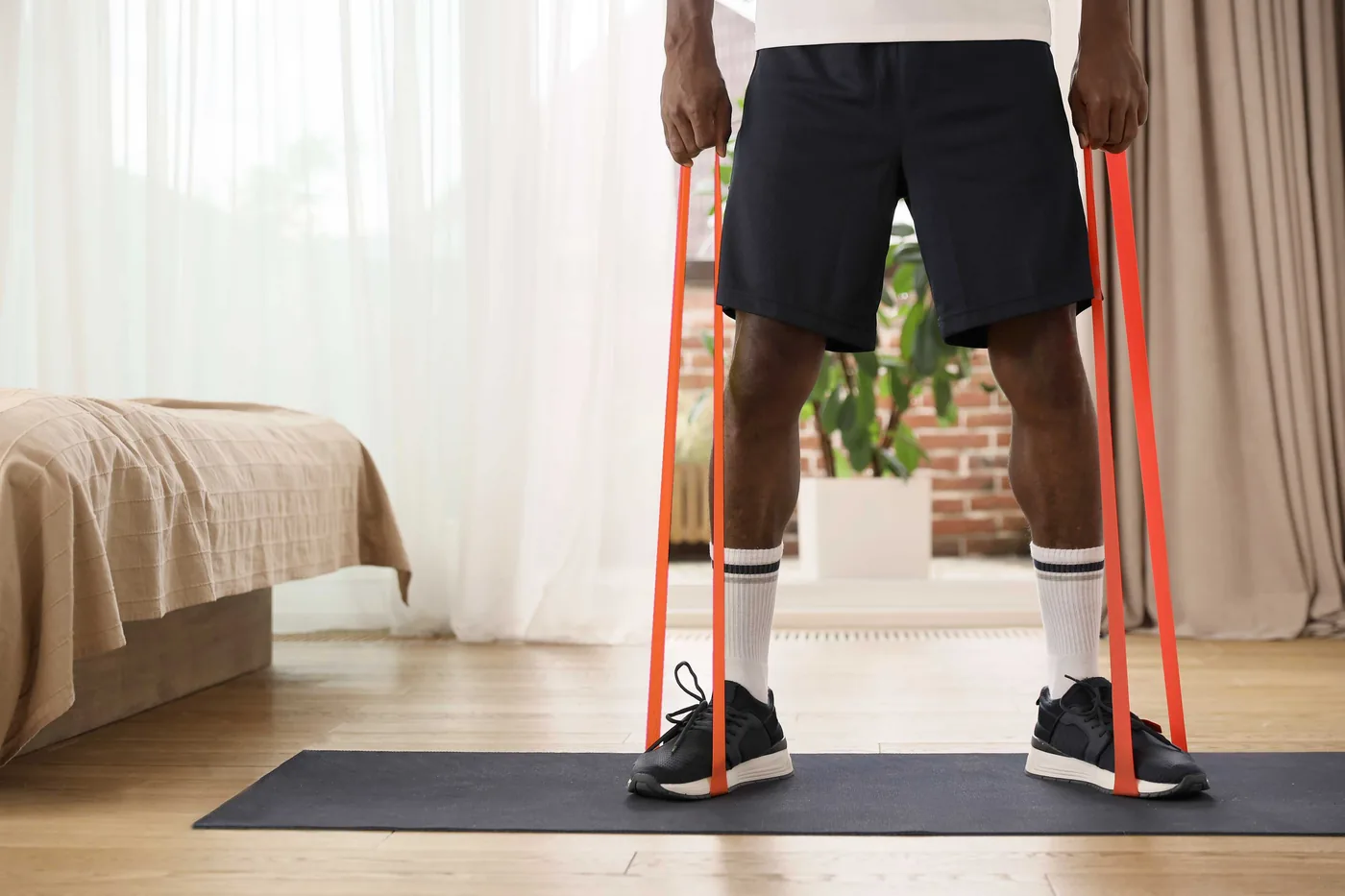
Reinforced immediately with movement and strength work so the range you gained becomes range you own.
What to expect afterwards
During
A quick, painless pressure and often an audible pop. It takes a fraction of a second and is over before most people register it.
Immediately after
More movement, less guarding, and usually a reduction in pain sensitivity in the area.
Next day
Occasionally a mild ache, similar to having done something new. Range gained should still be there, which is the point of the loading that follows.
Be honest with yourself
Is spinal & extremity manipulation right for you?
Being told “not this, and here is why” is part of the service. If it is not the right tool for your problem, you will hear that at the free discovery visit.
A good fit if
- A joint that feels stuck rather than simply sore
- Neck stiffness with headaches
- Back pain that eases briefly when you self-crack
- Mid-back and rib restriction from desk work
- A shoulder, hip or ankle that has lost range after an injury
- Wanting hands-on care inside a full rehab plan, not on its own
Tell us first if
- Recent fracture, or bone density concerns without clearance
- Suspected instability at the segment in question
- Red flag symptoms that need imaging or a physician first
- Inflammatory arthropathy affecting the cervical spine
- Anyone who would simply rather not — there is always another route
In depth
Everything else worth knowing
Written for people who want the reasoning, not just the summary.
What the “pop” really is
Spinal manipulation is a comfortable and safe technique in which specific vertebrae are targeted and applied with a gentle force, allowing them to release and generate an audible “pop”.
That sound is gas — a pressure change inside the joint capsule causing dissolved gas to come out of solution, in the same way opening a bottle makes a noise. It is not a bone moving back into place. Vertebrae do not slip out and get pushed back in.
Which means the sound is not the goal. Plenty of genuinely effective manipulations are silent, and a loud one is not automatically a good one. The goal is one specific joint moving.
Targeted, not generic
The techniques are comfortable for the client, momentum-induced, and performed in the middle of your available range of motion — never at the end of a range you cannot control. That is what separates a skilled manipulation from being “cracked”.
Force is not the mechanism; speed and precision are. If a technique has to be muscled, it is the wrong technique or the wrong patient.
It works well for neck and back pain, headaches, and stiff joints throughout the body. And it is not limited to the spine — the same thrust techniques apply to extremities: shoulders, elbows, wrists, hips, knees and ankles.
Why manipulation alone is not a plan
A joint that has been stiff for years did not get that way on its own. Manipulation buys you movement; what you do with that movement over the next two weeks decides whether it lasts.
Every manipulation here is followed by loading — the specific exercise, mobilization or strength work that teaches the surrounding muscle to hold the new range. The nervous system keeps ranges it has reason to trust, and the reason it trusts a range is that you produced force in it.
That is also the honest answer to ‘how long will I need this?’. If manipulation is the whole treatment, you need it indefinitely. If it is one part of a plan that includes loading and self-mobilization, most people reach that point without an open-ended schedule.
Screening is the important half
Dr. Lockett completed a rigorous, evidence-based post-doctorate program covering spinal and extremity manipulation alongside differential diagnostics, and the second exists to govern the first.
There are backs and necks that will not be manipulated, and histories that send you for imaging or to a physician before anything happens at all. Being told ‘not this, and here is why’ is a feature of good care, not a disappointment.
Real Google reviews · Osteopractic Physical Therapy Dallas
Clients treated with this
“I'm so glad I found Brent!!! I was having some serious back pain and after just a few sessions it was already feeling better. He's super knowledgable and I'm very thankful for him!”
“After struggling with shoulder and back pain, I visited Dr. Lockett, and he provided such incredible relief! I feel so much more relaxed now.…”
“Dr. Lockett is the best at what he does. I had been dealing with back pain for almost 2 years before I finally called him. After a few months - back pain is…”
Physical therapy FAQ · Dallas, TX
Spinal & Extremity Manipulation: 15 questions answered
Is spinal manipulation safe?
In trained hands and after proper screening, yes. The screening is the important half of that sentence: a post-doctorate program in manipulation and differential diagnosis exists so the decision about whether to manipulate comes before the technique.
Does it have to pop?
No. The cavitation sound is a by-product, not a goal. Effective sessions are frequently silent, and a loud one is not automatically a good one.
Is that my bone going back into place?
No. The sound is gas released inside the joint capsule. If a vertebra genuinely moved that far you would be in an emergency department, not on a treatment table.
How is this different from a chiropractic adjustment?
An osteopractor is a physical therapist with post-doctorate training in manipulation, dry needling and instrument-assisted therapy. Manipulation therefore sits inside a full rehabilitation plan with loading, movement retraining and self-treatment, rather than standing alone.
Will I need to keep coming back forever?
That is not the model here. The typical client is seen one to two visits a week, and leaves able to self-mobilize.
Does it hurt?
It should not. The technique is momentum-induced, low-amplitude and performed mid-range. Most people are surprised by how little there is to it.
Can you manipulate my neck?
Cervical manipulation is used where it is indicated and appropriate after screening. If your history or examination suggests it is not, there are other effective ways to change the same joint.
Can extremities be manipulated too?
Yes. The same thrust techniques apply to shoulders, elbows, wrists, hips, knees and ankles, and extremity restriction is a frequent finding in athletes.
Should I crack my own back?
Most self-manipulation moves the segments that already move easily, because those are the ones that give. The genuinely stiff segment stays stiff. Relief is real but short, which is why the urge comes back in twenty minutes.
I have osteoporosis. Can I still be treated?
Tell us, and bring any scan results. Bone density changes what techniques are appropriate. There is almost always a way to treat the same problem — it just may not be a thrust.
What if I have had spinal surgery?
Surgical history is part of the examination and it changes the plan. Fusions, hardware and decompressions all matter, and treatment is adjusted around them.
How soon will I feel a difference?
Range of motion usually changes inside the session. Whether it holds depends on the loading that follows, which is why we do it in the same visit.
Do I need an X-ray first?
Usually not. Imaging is requested when the history or examination suggests it would change the plan, not as a routine step.
Can manipulation help my headaches?
It often can, when the headache has a cervical component. Upper neck joint restriction refers pain into the head, and restoring that movement is a large part of why headache clients respond.
Do you use a drop table or an activator?
Care here is hands-on and delivered wherever you are — home, office or gym — using manual techniques rather than clinic-mounted equipment.

Dr. Brent Lockett
Dr. Lockett treats busy executives, professionals and athletes in chronic pain at the North Dallas clinic and across Dallas and the surrounding areas. He holds a Diploma in Osteopractic and is certified in dry needling, spinal manipulation and blood flow restriction therapy. Read his full background.
Written by Dr. Brent Lockett
Keep reading

The Truth About “Cracking” Your Back
The pop is not a bone going back into place, and a loud session is not a good session. Here is what is really happening.
Read the article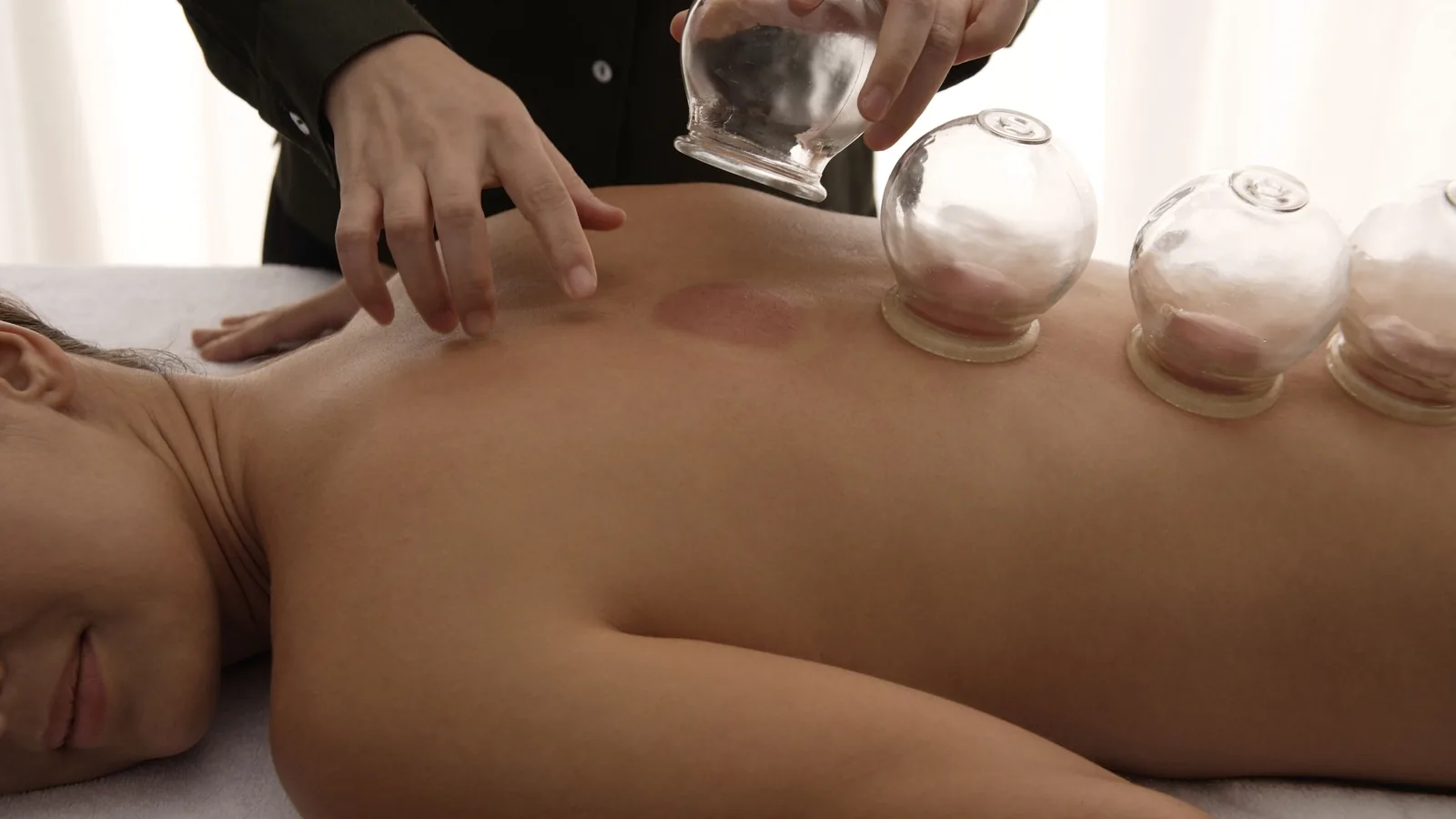
Why Your Low Back Pain Keeps Coming Back
Rest settles the flare-up. It does not touch the reason the flare-up happened — which is why the next one arrives sooner.
Read the articleAlso offered
Other treatments
Dry Needling
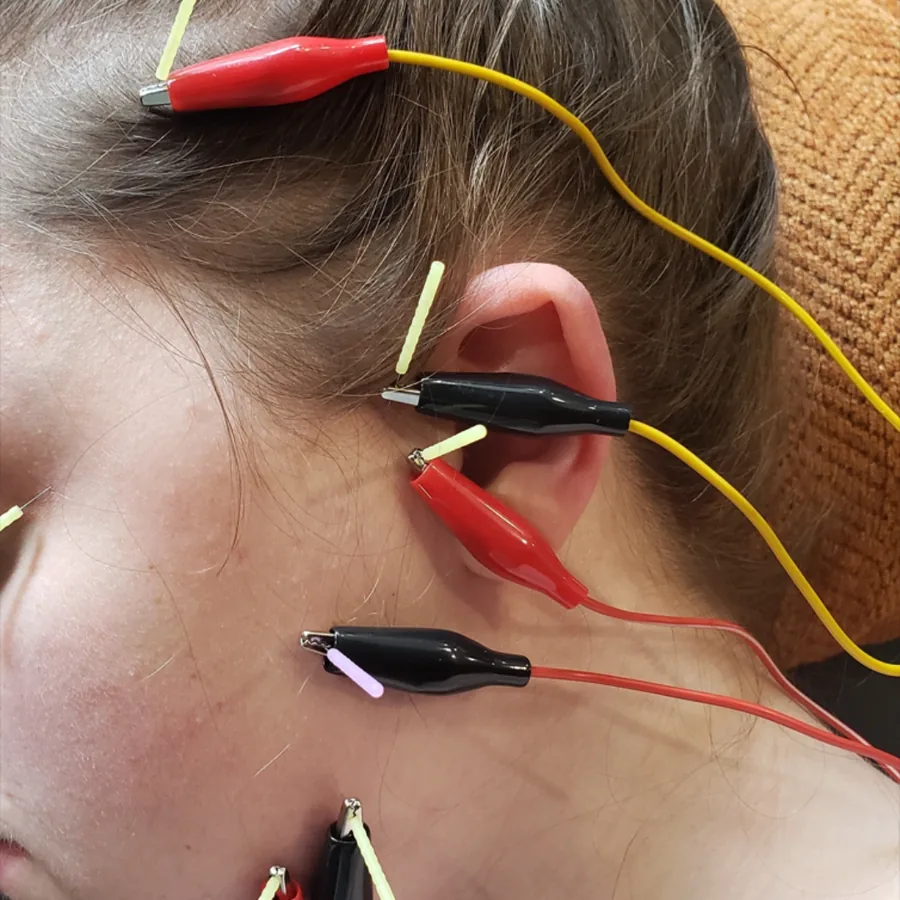
Fine microfilament needles into the trigger point that is actually driving your pain — releasing knots ordinary hands-on work cannot reach.
Explore
Blood Flow Restriction Therapy
Build strength and muscle size at light loads — one of the few practices in the Dallas area offering certified BFR inside a rehab plan.
Explore
Dry Cupping
Suction that lifts skin, muscle and fascia — soft and deep tissue mobilization for areas that stay stiff no matter how much you stretch.
ExploreReady to start?
Book a free discovery visit and find out whether spinal & extremity manipulation is the right tool for your problem. No referral needed, no obligation.