
Treatment · Physical therapy in Dallas, TXPEMF Therapy (Pulsed Electromagnetic Field)
Add a passive recovery tool to the parts of a plan that are slow to settle — without asking you to lie still instead of getting stronger.
- A comfortable muscle twitch or dull ache at the site — nothing sharp
- Used as part of a session, not sold as a course of its own
- Screened first: some implants and conditions rule it out
The short version
PEMF Therapy (Pulsed Electromagnetic Field) in 30 seconds
What it is
A coil or applicator placed over the area, producing a pulsed magnetic field that passes through clothing and tissue. No heat and no needle — what you feel is a comfortable muscle twitch, or a dull ache where it is already sore.
What it is for
The slow, stubborn end of recovery — post-operative swelling and soreness, an area that stays irritable, a joint that will not settle enough to be loaded properly.
What it is not
It is not a cure, and it is not a substitute for loading. Anywhere it is used here, it is opening a window for the exercise that follows.
Why people choose it
What you get out of pemf therapy (pulsed electromagnetic field)
A pulsed magnetic field applied to tissue that is slow to settle. Passive, cumulative, and used here alongside loading rather than instead of it.
Passive, when everything else needs effort
Most of what works in rehab asks something of you. This does not, which makes it useful on the days when an area is too irritable to be loaded hard.
Fits inside the hour
Fifteen to thirty minutes while the rest of the session is being set up or reviewed. It does not eat the appointment, and it is never the whole appointment.
Screened properly first
Pacemakers, defibrillators, cochlear implants, insulin pumps, neurostimulators and pregnancy all matter here. Your history is reviewed before anything is switched on.
Reaches areas that dislike hands-on work
Some areas are too sore, too swollen or too recently operated on to be touched. A field does not need to press on anything.
Progress is measured, not guessed
Range, tolerance to load and what you can do afterwards are re-tested as you go, so you can see the change rather than being told about it.
Cellular regeneration takes time
The benefit of PEMF is cumulative. Cellular regeneration, swelling, soft tissue repair and recovery all take time, which is why it is recommended as a series of sessions rather than a single one.
Worth knowing
An adjunct, and described as one
PEMF is cleared by the FDA for stimulating bone growth and for treating pain and swelling in superficial soft tissue after surgery, and the technology is used by professional sports organizations as part of how their athletes recover. It is offered here as one part of a plan rather than as a course of treatment you buy on its own, because what makes a result hold is the loading it opens the door to.
What it commonly helps with
Inside a session
What actually happens
Screening
Implanted electronic devices, pregnancy, active bleeding and a current cancer diagnosis all need to be known about first. Some of them rule this out entirely, and you will be told which.
Placement
The applicator goes over the area, through clothing. Nothing is strapped tightly and nothing needs to touch skin.
The application
Fifteen to thirty minutes. Most people feel a muscle twitch or a dull ache at the painful site, kept within what you find comfortable. Anything sharp means it stops.
What follows it
Movement, loading or manual work, in the same session. The point of resettling the area is to restore the soft tissue and then retrain it.
What to expect afterwards
During
Most people feel a muscle twitch or a dull ache at the painful site, or gentle warmth. It should never be sharp or uncomfortable.
Afterwards
No downtime and no restrictions. You go straight into the loading part of the session.
Across a plan
The effect builds. Range, tolerance and function are re-tested as you go, and the plan is adjusted around what they show.
Be honest with yourself
Is pemf therapy (pulsed electromagnetic field) right for you?
Being told “not this, and here is why” is part of the service. If it is not the right tool for your problem, you will hear that at the free discovery visit.
A good fit if
- You are recovering from surgery and the area is still swollen and sore
- An arthritic joint flares every time you try to load it properly
- A tendon or joint has stayed irritable long after it should have settled
- Hands-on work is painful or off-limits in that area for now
- You have plateaued and want another lever pulled inside the same plan
- You want everything reasonable tried before considering an injection
Tell us first if
- You have a pacemaker, defibrillator, cochlear implant, insulin pump or neurostimulator
- You are pregnant
- You have an active bleed, or an area that is actively infected
- You are under treatment for cancer, unless your oncologist has cleared it
- You are looking for a passive treatment to replace exercise entirely
- You want a guaranteed result — nobody can honestly offer you one here
In depth
Everything else worth knowing
Written for people who want the reasoning, not just the summary.
What the device actually does
A PEMF unit sends a pulsed electromagnetic field into tissue through a coil. The field passes through clothing, skin, fat and bone without being absorbed as heat, which is what separates it from ultrasound or diathermy. There is no current running through you and nothing to feel in the way that estim gives you a contraction.
The proposed mechanism is that the pulsing field influences the electrical environment at the cell membrane, and through that the signalling involved in inflammation and repair. That is the theory the technology is built on, and it is worth being clear that it is a tool for settling an area rather than a cure for what made it irritable.
What can be said plainly: it is non-invasive, it is kept within your own comfort, it does not require anything of you while it runs, and it has a long safety record in the uses it has been cleared for.
What it is cleared for, and where it is used
The FDA has cleared PEMF devices for a defined set of uses. The best established is bone growth stimulation — fractures that have failed to unite, and as an adjunct after spinal fusion. There is also clearance for the treatment of post-operative pain and swelling in superficial soft tissue.
Alongside that, the technology has been adopted widely in professional sport. Major professional teams keep PEMF units in their training rooms and use them as part of how athletes recover between competition, which is a demanding environment with little patience for equipment that occupies space without earning it.
In a clinic it is used for the slow end of recovery: post-operative swelling and soreness, arthritic joints that flare when they are loaded, tendons that have stayed irritable, and areas that are too sore to be worked on by hand.
It is non-invasive, it is kept within your own comfort, it asks nothing of you while it runs, and it has a long safety record.
Why it is never the whole treatment here
The uncomfortable truth about passive treatments is that they are the easiest thing to sell and the least likely thing to hold. Heat, ultrasound, laser, a table that does the work for you — all of them feel like care, and none of them build the capacity that stops the problem coming back.
Tissue that has lost tolerance regains it by being loaded, gradually, with something it can currently handle. Nothing changes that. What a tool like PEMF can do is make the loading possible sooner, by settling an area enough to be worked with.
So it is applied while something else is being set up, or in the first part of a session, and it is followed by movement every time.
How it fits an osteopractic plan
Post-operative work is the clearest case. After a knee or shoulder operation there is a stretch where the joint is swollen, sore and not ready for much. That period is where a passive tool earns its place, because the alternative is waiting.
Arthritic joints are the second. The bind in arthritis is that strength protects the joint and loading flares it. Anything that widens the gap between those two — blood flow restriction on one side, a settling tool on the other — buys room to get strengthening done.
The third is the stubborn case that has already had the obvious things done. Manipulation, needling and loading have moved it partway and then it stalled.
In every one of those, the question at the review is the same as for any other technique used here: has the marker moved? If it has not, the tool comes out of the plan and the reasoning gets revisited. That is the whole method — we don’t guess, we assess.
Real Google reviews · Osteopractic Physical Therapy Dallas
Clients treated with this
“I’ve been dealing with hip pain for years and honestly thought it was just something I’d have to live with. After working with this PT, I’m finally running completely pain-free for the first time in years. Not only did they get rid of my…”
“I'm so grateful I was referred to Dr. Lockett, as his guidance and expertise really turned my situation around for the better. After seven knee surgeries I was quite weak and my functional capacity had never been lower; within weeks of…”
“I'm so glad I found Brent!!! I was having some serious back pain and after just a few sessions it was already feeling better. He's super knowledgable and I'm very thankful for him!”
Physical therapy FAQ · Dallas, TX
PEMF Therapy (Pulsed Electromagnetic Field): 15 questions answered
What does PEMF feel like?
Most people feel a comfortable muscle twitch, or a dull ache at the site that is already sore, kept within your own tolerance. There is no burning and no heat the way a heat pack gives you. Anything sharp means it is turned down or stopped.
Is it safe?
In the uses it has been cleared for, it has a long safety record and very few reported adverse effects. The safety question that actually matters is screening: there are people who should not have it at all, and finding that out is the first step rather than an afterthought.
Who should not have PEMF?
Anyone with an implanted electronic device — a pacemaker, defibrillator, cochlear implant, insulin pump or neurostimulator. Also pregnancy, an active bleed, and an actively infected area. If you are under treatment for cancer it needs your oncologist’s clearance first, not ours.
Will it work for me?
Honestly, that cannot be predicted, and anyone who tells you otherwise is guessing. Some people notice a clear difference in how an area tolerates loading; for others the change is slower. Because the effect is cumulative, it is judged over a series rather than on one application.
Is PEMF FDA approved?
Specific PEMF devices are FDA cleared for specific uses — bone growth stimulation in fractures that have not united and as an adjunct to spinal fusion, and the treatment of post-operative pain and swelling in superficial soft tissue. That is narrower than how the technology is often marketed, and it is worth knowing the difference.
Does it replace exercise?
No, and it is not offered as though it does. Tissue regains tolerance by being loaded. PEMF may help an area settle enough for that loading to happen sooner, which is a supporting role, not a starring one.
How long does an application take?
Fifteen to thirty minutes, inside a normal session. It runs while other parts of the appointment are being set up or reviewed, so it does not shorten the hands-on and loading work you came for.
How many sessions before I know?
PEMF works cumulatively, so a series is expected rather than a single visit. Your range, tolerance to load and function are re-tested as you go, and that is what shapes how long it stays in the plan.
Does it cost extra?
No. It is part of the session rather than a separate item, which is deliberate: charging separately for a passive tool creates a reason to keep using it after it has stopped being useful.
Can it be used straight after surgery?
Often yes, and that is one of its better-supported uses — but only once your surgeon is happy with where you are. Timing, the state of the incision and any hardware all need to be known first.
Is this the same as a TENS unit?
No. TENS passes an electrical current through the skin to stimulate nerves, and you feel it clearly. PEMF applies a magnetic field that passes through tissue without that sensation. They are different tools aimed at different things.
Is it the same as the mats sold online?
The principle is related, but consumer mats and clinical units differ a great deal in field strength, frequency and dose control, and most consumer devices are not cleared for a medical indication. If you already own one, bring the details and we can talk about whether it is worth using.
Can I have it with metal implants?
Metal implants such as plates, screws and joint replacements are generally not a problem, because the concern is with implanted *electronic* devices rather than inert metal. Tell us what you have and where, and it gets checked before anything is switched on.
Do I need a referral?
No. Texas allows direct access to physical therapy, so you can be seen without a physician’s referral. If your presentation needs a physician rather than therapy, you will be told that at the examination.
How do I know if it is worth trying?
Ask at the free discovery visit. If your problem is one where a passive tool is unlikely to add anything, you will be told so and it will not be offered — which is a better answer than being sold it.

Dr. Brent Lockett
Dr. Lockett treats busy executives, professionals and athletes in chronic pain at the North Dallas clinic and across Dallas and the surrounding areas. He holds a Diploma in Osteopractic and is certified in dry needling, spinal manipulation and blood flow restriction therapy. Read his full background.
Written by Dr. Brent Lockett
Keep reading

Arthritis Doesn't Mean You Have to Stop Moving
The scan is not the story. What separates a comfortable arthritic joint from a painful one is usually capacity.
Read the article
Why Your Low Back Pain Keeps Coming Back
Rest settles the flare-up. It does not touch the reason the flare-up happened — which is why the next one arrives sooner.
Read the articleAlso offered
Other treatments
Dry Needling
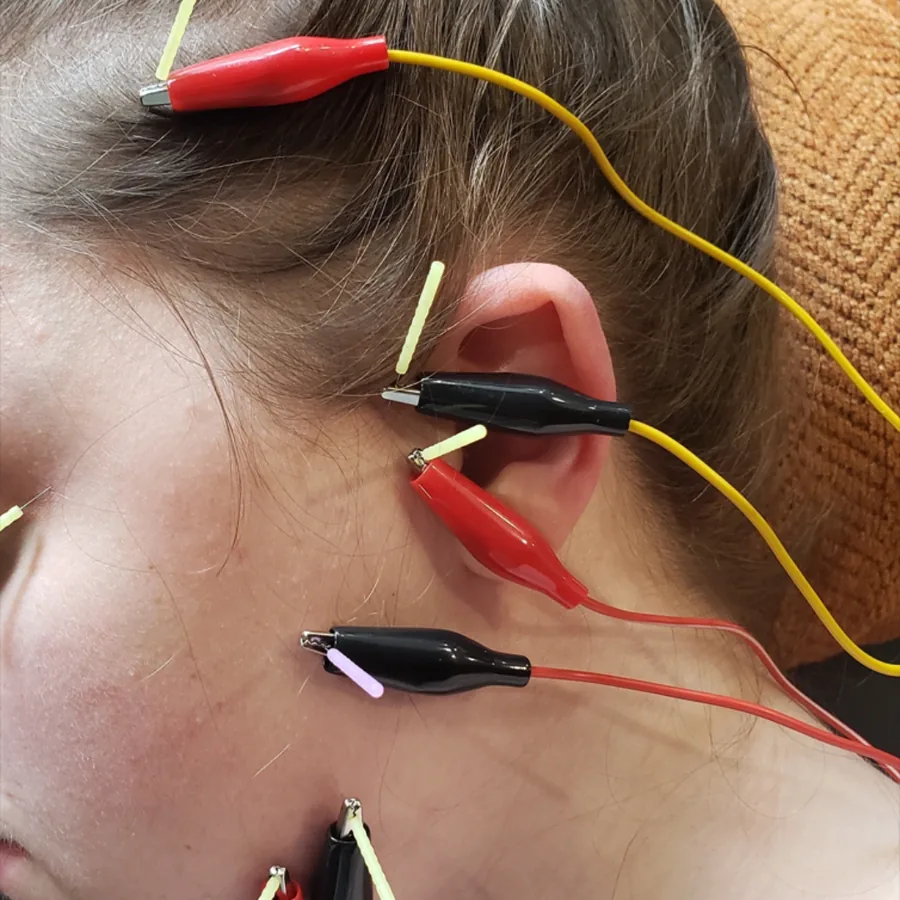
Fine microfilament needles into the trigger point that is actually driving your pain — releasing knots ordinary hands-on work cannot reach.
ExploreSpinal & Extremity Manipulation
A gentle, targeted thrust that restores movement to a specific joint — comfortable, controlled, and delivered inside your available range.
Explore
Blood Flow Restriction Therapy
Build strength and muscle size at light loads — one of the few practices in the Dallas area offering certified BFR inside a rehab plan.
ExploreReady to start?
Book a free discovery visit and find out whether pemf therapy (pulsed electromagnetic field) is the right tool for your problem. No referral needed, no obligation.