
Condition · Physical therapy treatment in Dallas, TXHip Pain
Get a straight answer on which hip problem you have — and a loading plan built for that one, not for hip pain in general.
- Groin, lateral and buttock pain are different problems
- The low back is screened, because it refers into the hip
- BFR builds strength when the joint cannot take load yet

The short version
Hip Pain in 30 seconds
Hip pain is three or four different problems wearing the same name. The first job is deciding which one you have.
Location tells you a lot
Groin pain points at the joint itself. Pain on the outside points at the gluteal tendons or the bursa. Buttock pain often comes from the back or the deep hip rotators.
Most of it is a capacity problem
Gluteal strength and control decide how much load reaches the joint and the tendons on every step, stair and squat.
What gets ruled out
Referred pain from the lumbar spine, hip joint pathology needing imaging, and the presentations that belong with a physician.
What treatment gets you
Why people come in for this
The right diagnosis before the plan
Gluteal tendinopathy, hip joint irritation, deep rotator involvement and referred back pain need different treatment. Naming yours is the first visit's job.
Gluteal capacity, built properly
Hip abductor and extensor strength is the lever in most hip pain, and it is almost always under-built by the time someone calls.
Side-lying pain addressed early
Not being able to lie on that side is what most people want back first, and it guides how the loading is dosed.
Blood flow restriction when loading hurts
Where an irritable hip cannot yet take meaningful weight, BFR produces real strength adaptation at loads it tolerates.
Deep tissue that hands cannot reach
Dry needling into the deep hip rotators and gluteal muscles reaches trigger points that refer down the leg and imitate sciatica.
Tested on your stairs, not a clinic table
Stairs, the car, the bed, the squat rack — the movements that actually provoke it get assessed where they happen.
Does this sound like you?
Signs we hear most often
None of this is a diagnosis. It is a good reason to have the area properly examined rather than managed for another year.
Common signs
- Deep groin pain with squatting, sitting low or getting out of a car
- Pain on the outside of the hip, worse lying on that side at night
- Buttock pain that may travel down the back of the thigh
- Stiffness after sitting, easing after a few minutes of walking
- A catch, click or pinch at the front of the hip in deep flexion
- Started after a change in running, walking or training volume
See a physician instead if
See a physician for hip pain after a fall or trauma, inability to bear weight, a hot or swollen joint, hip pain with fever, or pain accompanied by unexplained weight loss or night pain that is unrelenting.
How we treat it
The tools we reach for
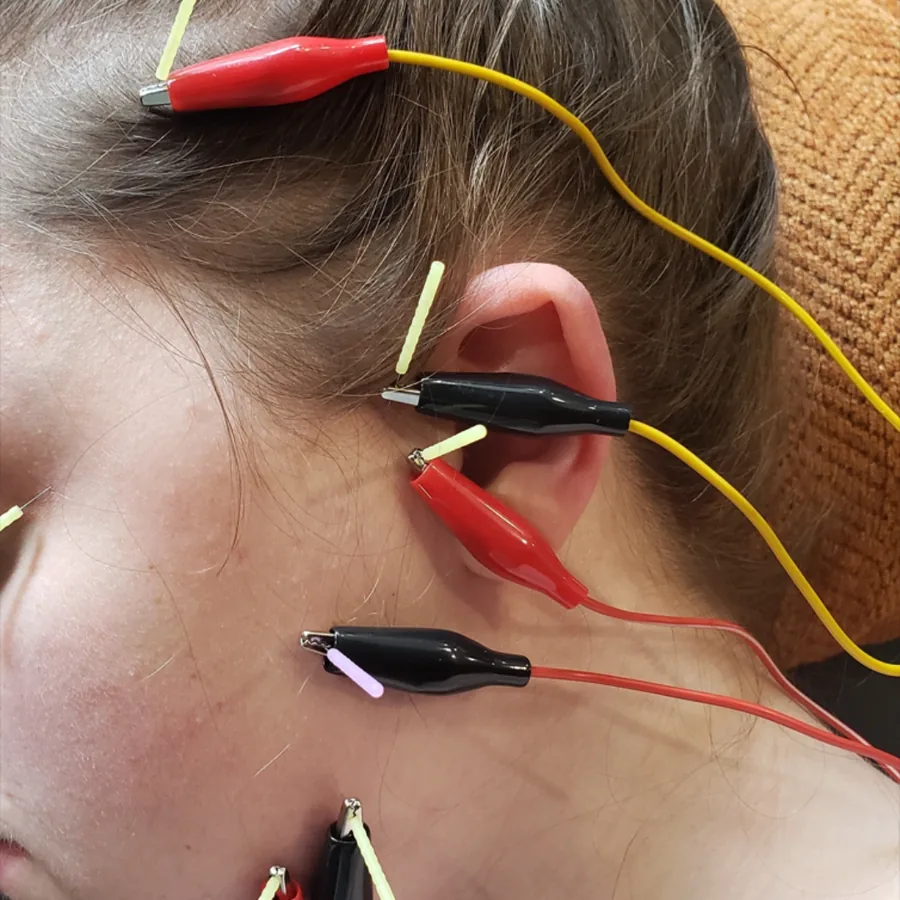
Dry Needling
Fine microfilament needles into the trigger point that is actually driving your pain — releasing knots ordinary hands-on work cannot reach.
Explore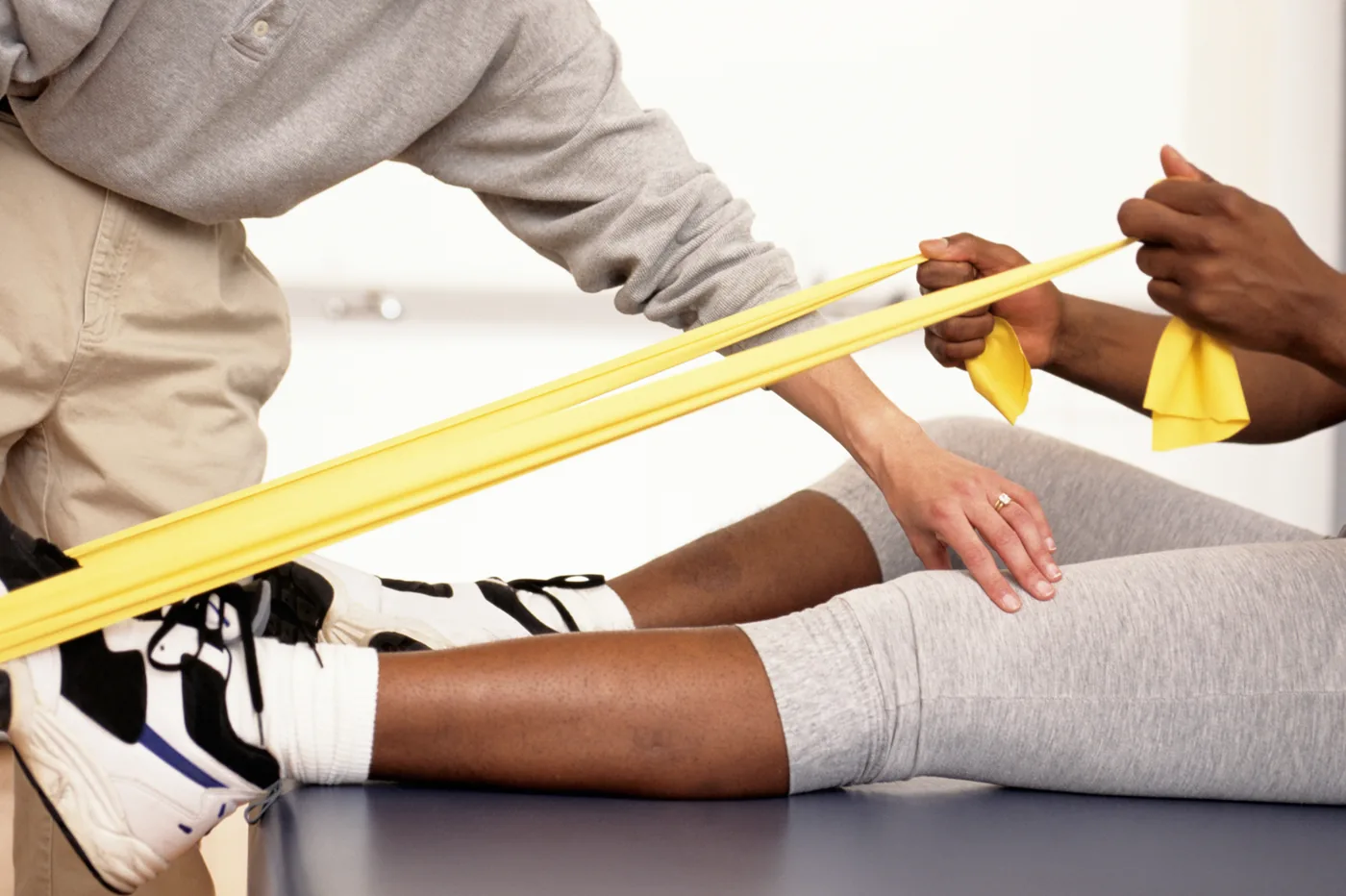
Spinal & Extremity Manipulation
A gentle, targeted thrust that restores movement to a specific joint — comfortable, controlled, and delivered inside your available range.
Explore
PEMF Therapy (Pulsed Electromagnetic Field)
A pulsed magnetic field applied to tissue that is slow to settle. Passive, cumulative, and used here alongside loading rather than instead of it.
ExploreWhat to expect
First visit
A full examination of hip, lumbar spine and sacroiliac joint, strength and control testing, and a clear name for what you have.
Early weeks
Provocative positions modified, manual work and needling to settle the tissue, and the first gluteal loading.
Later
Strength progressed toward the stairs, the walking or the training you actually need, so the joint stops being the weak link.
Your first four steps
How it works
No referral needed, no waiting list to join, and nothing charged before you know this is the right fit.
Free discovery visit
We talk first. What is going on, what you have already tried, and whether this is genuinely the right approach for your problem. No charge, no obligation.
Full examination
A thorough neuro-musculoskeletal examination to find the root cause — including ruling out anything that should be seen by a physician instead.
Findings & plan
We go through what was found and what it means, then build an advanced treatment plan around the goals you actually came in with.
Treat, load, teach
Hands-on treatment, loaded movement, and the self-mobilization and exercise you need so the change holds between visits.
In depth
What is actually going on
Written for people who want the reasoning, not just the summary.
Three problems, one name
“Hip pain” is where several different problems get filed, and they do not share a treatment.
Pain deep in the groin, worse with squatting or getting out of a car, tends to point at the joint itself. Pain on the outside of the hip that makes lying on that side impossible is usually the gluteal tendons, with or without the bursa involved. Pain in the buttock, sometimes traveling down the thigh, frequently comes from the lumbar spine or the deep hip rotators rather than the hip at all.
Getting that wrong costs months. It is why the first appointment is largely an examination and a conversation rather than treatment for its own sake.
Why the back is examined for a hip problem
The lumbar spine and the sacroiliac joint both refer pain into the buttock, the groin and the outside of the hip. Plenty of people have been treating a hip for a year when the input was coming from two segments higher.
The reverse is also true: a stiff hip changes how the lumbar spine has to move, and a back that has been compensating for a hip will complain in its own right.
So the examination covers both regions as a matter of course, along with the neurological testing that separates referred pain from nerve root involvement.
Loading is the treatment
Almost every hip presentation seen here has a capacity component. The gluteal muscles control the femur through every step, stair, squat and stride, and when they cannot, the joint and the tendons absorb the difference.
For gluteal tendinopathy specifically, the load has to be graded carefully: compressive positions such as crossing the legs, sitting low or sleeping on that side often provoke it, and those get modified early while strength is built.
Where the joint is too irritable to take meaningful weight, blood flow restriction lets useful strength work continue at loads it tolerates. That is the same reason it is used after hip surgery.
Stretching a hip that is already irritable
The instinct with a stiff, sore hip is to stretch it, and for lateral hip pain in particular that instinct often makes things worse.
Classic stretches that pull the leg across the body compress the gluteal tendons against the bone — the exact position that provokes the tissue. Relief for a minute, irritation for the rest of the day.
That does not mean mobility work has no place. It means the position and the dose have to match what the tissue can take, which is a decision the examination makes rather than a rule that applies to everybody.
Real Google reviews · Osteopractic Physical Therapy Dallas
Clients with the same problem
“I’ve been dealing with hip pain for years and honestly thought it was just something I’d have to live with. After working with this PT, I’m finally running completely pain-free for the first time in years. Not only did they get rid of my…”
“I'm so grateful I was referred to Dr. Lockett, as his guidance and expertise really turned my situation around for the better. After seven knee surgeries I was quite weak and my functional capacity had never been lower; within weeks of…”
“I'm so glad I found Brent!!! I was having some serious back pain and after just a few sessions it was already feeling better. He's super knowledgable and I'm very thankful for him!”
Physical therapy FAQ · Dallas, TX
Hip Pain: 12 questions answered
Where my hip hurts — does the location matter?
A great deal. Groin pain, outside-of-hip pain and buttock pain point at different structures and get treated differently, so it is one of the first questions asked.
Why does it hurt to lie on that side?
That is the classic pattern for gluteal tendinopathy: lying on the side compresses the tendon against the bone. It is usually one of the first things to improve.
Could my hip pain actually be my back?
Often, yes. The lumbar spine and sacroiliac joint both refer into the hip region, which is why both are examined at the first visit.
Do I need an X-ray or MRI?
Usually not to begin. Imaging is arranged when the history or examination suggests it would change the plan — not as a routine first step.
Is this arthritis?
It might be, and hip osteoarthritis responds well to loading. Arthritic changes on a scan are also common in people with no pain, so the examination matters more than the report.
Should I be stretching it?
Carefully, and not always. Several common hip stretches compress an already irritable gluteal tendon and make it worse. The position and dose get chosen for your presentation.
Can I keep running or lifting?
Usually, with modified load. Squat depth, running volume and which positions you avoid for a few weeks get set together.
What is BFR doing for a hip?
Building gluteal and quadriceps strength at light loads while the joint is still irritable, so you are not waiting for pain to settle before you can start getting stronger.
Does dry needling work for hip pain?
It is used into the deep hip rotators and gluteal muscles, which refer pain into the buttock and down the leg convincingly enough to be mistaken for sciatica.
How long will this take?
The typical client is seen one to two visits a week, and the plan runs until the result holds. Gluteal tendon problems often need the loading to continue past the last visit.
I am waiting for a hip replacement. Is there any point?
Yes. Going into surgery with more strength and better movement makes the recovery on the other side markedly easier, and some people find the wait itself becomes far more comfortable.
It clicks and catches at the front. Is that serious?
Clicking on its own is common and often harmless. Clicking with pain, catching or giving way is worth examining properly, and imaging is arranged if it is warranted.

Dr. Brent Lockett
Dr. Lockett treats busy executives, professionals and athletes in chronic pain at the North Dallas clinic and across Dallas and the surrounding areas. He holds a Diploma in Osteopractic and is certified in dry needling, spinal manipulation and blood flow restriction therapy. Read his full background.
Written by Dr. Brent Lockett
Keep reading
Why Your Low Back Pain Keeps Coming Back
Rest settles the flare-up. It does not touch the reason the flare-up happened — which is why the next one arrives sooner.
Read the article
Runner's Knee Is Preventable — Here's What Predicts It
It is a load problem, not a damage problem — which is exactly why it can be seen coming.
Read the articleAlso treated
Other conditions
Low Back Pain
The most common reason people call — and the one most often treated as a symptom rather than a pattern.
Read moreHeadaches & Migraines
Migraine disorder affects the central nervous system. Osteopractic therapy targets the muscles and joints caught up in it.
Read moreRunner's Knee
Rapidly becoming a more common issue every year — and, in most cases, preventable.
Read moreGet an honest answer about your hip pain
The free discovery visit exists so you can find out whether this approach fits your problem before you spend anything.