
Condition · Physical therapy treatment in Dallas, TXShoulder Pain
A shoulder that has quietly lost range takes the neck, upper back and elbow with it. We treat the whole chain, staged to the phase you are actually in.
- Thoracic, scapular, cuff and neck all assessed — not just the sore spot
- Frozen shoulder treated by phase, not with blanket stretching
- BFR keeps strength while the joint is irritable
The short version
Shoulder Pain in 30 seconds
A shoulder that has quietly lost range takes the neck, upper back and elbow down with it — which is why shoulder problems so rarely stay a shoulder problem.
Why it is not just the shoulder
The shoulder blade has to glide over a mobile upper back. When the thoracic spine stiffens, the shoulder makes up the difference at end range — and gets irritated there.
How we treat it
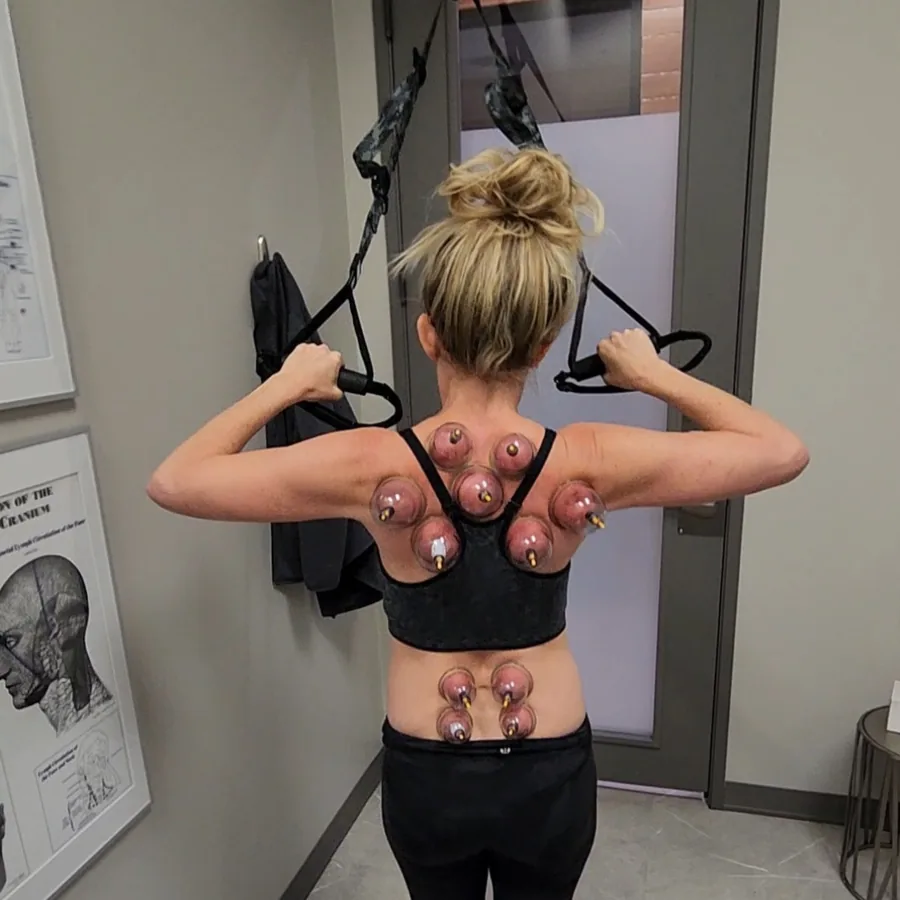
Thoracic and rib mobility, scapular control, rotator cuff capacity and cervical involvement, with manipulation, needling and cupping as the exam directs.
Frozen shoulder is different
It runs a painful, stiff and thawing course. Aggressive stretching in the painful phase makes it worse, so the plan is staged.
What treatment gets you
Why people come in for this
The whole chain, not the sore spot
Fixing a shoulder in isolation tends to produce a shoulder that hurts again in three months.
Staged to your phase
You will be told which phase you appear to be in and exactly what that means for what we do this month.
Strength kept through the worst of it
Blood flow restriction maintains capacity while the joint cannot take load, so you are not rebuilding from zero later.
Night pain addressed early
Sleep is usually the first thing people want back, and it is a specific target rather than an afterthought.
Your desk and your bench
Assessed where the loading actually happens — the workstation, the press, the overhead reach in your own kitchen.
Range you keep
Every gain is loaded in the same session, because the nervous system keeps ranges you have produced force in.
Does this sound like you?
Signs we hear most often
None of this is a diagnosis. It is a good reason to have the area properly examined rather than managed for another year.
Common signs
- Pain reaching overhead or behind your back
- Pain lying on that side at night
- Range that is limited even when someone else moves your arm
- A shoulder that is stiffer this month than last
- Pain at the outer upper arm rather than the joint itself
- Neck and upper back tightness on the same side
See a physician instead if
See a physician for a shoulder that follows a fall with obvious deformity, sudden inability to lift the arm at all, or shoulder pain with chest pain, breathlessness or sweating.
How we treat it
The tools we reach for

Spinal & Extremity Manipulation
A gentle, targeted thrust that restores movement to a specific joint — comfortable, controlled, and delivered inside your available range.
Explore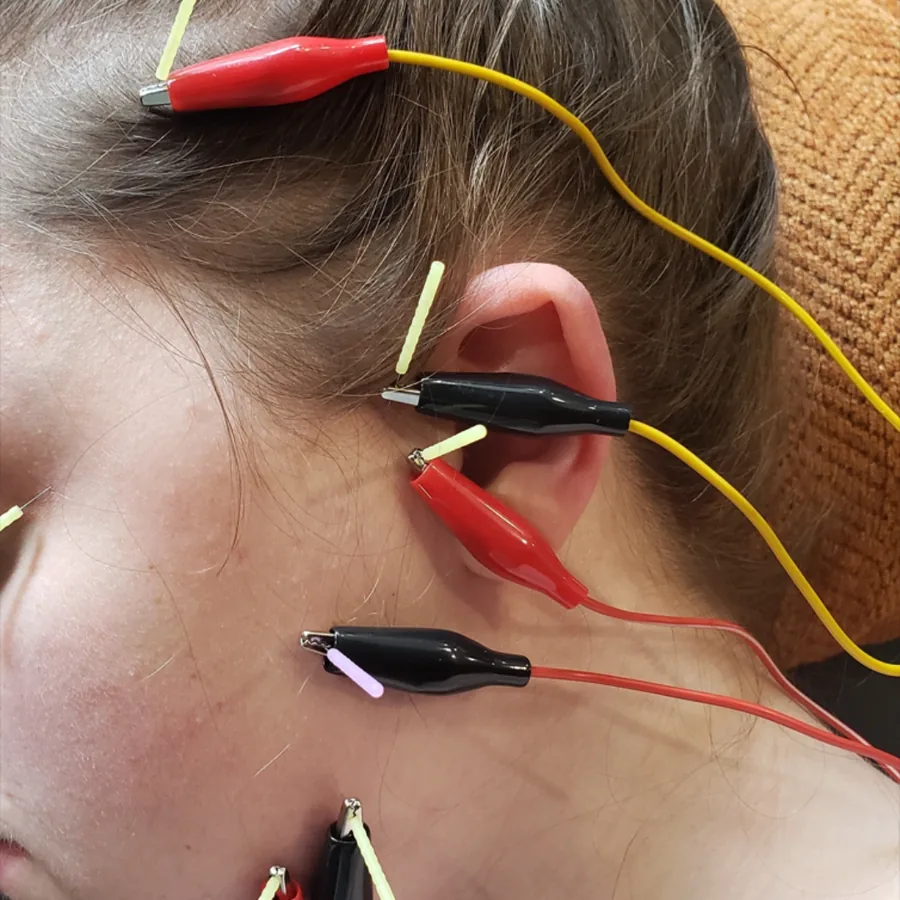
Dry Needling
Fine microfilament needles into the trigger point that is actually driving your pain — releasing knots ordinary hands-on work cannot reach.
Explore
PEMF Therapy (Pulsed Electromagnetic Field)
A pulsed magnetic field applied to tissue that is slow to settle. Passive, cumulative, and used here alongside loading rather than instead of it.
ExploreWhat to expect
First visit
Full shoulder, thoracic and neck examination, a clear read on which problem you have, and treatment the same hour.
Early weeks
Comfort and night pain are targeted first; range work is dosed to what the joint tolerates rather than forced.
Later
Loading progresses into the ranges you have recovered, so the range becomes range you own.
Your first four steps
How it works
No referral needed, no waiting list to join, and nothing charged before you know this is the right fit.
Free discovery visit
We talk first. What is going on, what you have already tried, and whether this is genuinely the right approach for your problem. No charge, no obligation.
Full examination
A thorough neuro-musculoskeletal examination to find the root cause — including ruling out anything that should be seen by a physician instead.
Findings & plan
We go through what was found and what it means, then build an advanced treatment plan around the goals you actually came in with.
Treat, load, teach
Hands-on treatment, loaded movement, and the self-mobilization and exercise you need so the change holds between visits.
In depth
What is actually going on
Written for people who want the reasoning, not just the summary.
The shoulder is a chain, not a joint
The shoulder complex depends on the shoulder blade gliding over a mobile upper back and rib cage. When the thoracic spine stiffens — and after a few thousand hours at a desk, it does — the shoulder has to make up the difference at end range, which is where tissue gets irritated.
That is why treatment here rarely stops at the painful spot. Thoracic and rib mobility, scapular control, rotator cuff capacity and neck involvement all get assessed, because fixing the shoulder in isolation tends to produce a shoulder that hurts again in three months.
Frozen shoulder is a different animal
Adhesive capsulitis has its own staged treatment guide; the short version follows.
Adhesive capsulitis has a course of its own: a painful phase, a stiff phase and a thawing phase, often over many months. What therapy changes is how much function and strength you keep along the way, and how much range you get back at the end.
Aggressive stretching in the painful phase makes things worse. The plan is staged, and Dr. Lockett will tell you which phase you appear to be in and what that means for what we do this month.
Real Google reviews · Osteopractic Physical Therapy Dallas
Clients with the same problem
“I've been working with Dr. Brent for frozen shoulder issues and he is the best! My pain is going away and my range of motion is increasing. I couldn't ask for more!”
“After struggling with shoulder and back pain, I visited Dr. Lockett, and he provided such incredible relief! I feel so much more relaxed now.…”
“Dr. Brent healed me! I had a stubborn pain in my shoulder/back that lasted for weeks. I chose Dr. Brent because my last physical therapy experience a few years…”
Physical therapy FAQ · Dallas, TX
Shoulder Pain: 10 questions answered
How long does frozen shoulder take?
It typically runs a long course through painful, stiff and thawing phases. Therapy is aimed at protecting function and strength through it and maximizing the range you finish with.
Is it a rotator cuff tear?
Many shoulders labeled as tears are irritable rather than torn, and many tears are present in pain-free shoulders. The examination establishes what your shoulder can and cannot do under load.
Should I keep training through it?
Usually yes, with modified loading. Complete avoidance costs you capacity you will need in the recovery phase.
How long does frozen shoulder take?
It typically runs a long course through painful, stiff and thawing phases. Therapy is aimed at protecting function and strength through it and maximizing the range you finish with.
Is it a rotator cuff tear?
Many shoulders labeled as tears are irritable rather than torn, and many tears are present in pain-free shoulders. The examination establishes what your shoulder can and cannot do under load.
Should I keep training through it?
Usually yes, with modified loading. Complete avoidance costs you capacity you will need in the recovery phase.
Why does my shoulder hurt more at night?
Lying on the side compresses the joint and the surrounding tissue for hours at a time, and there is no movement to relieve it. Night pain is common with both impingement and adhesive capsulitis.
What does my mid-back have to do with my shoulder?
The shoulder blade has to glide over a mobile upper back and rib cage. When the thoracic spine stiffens, the shoulder makes up the difference at end range, which is where tissue gets irritated.
Should I stretch it aggressively?
Not in the painful phase of a frozen shoulder — aggressive stretching there makes things worse. The plan is staged, and you will be told which phase you appear to be in and what that means for this month.
Do I need an MRI or a cortisone injection?
Both have their place and neither is automatic. The examination establishes what your shoulder is actually doing; where imaging or a physician's input would change the plan, you will be told.

Dr. Brent Lockett
Dr. Lockett treats busy executives, professionals and athletes in chronic pain at the North Dallas clinic and across Dallas and the surrounding areas. He holds a Diploma in Osteopractic and is certified in dry needling, spinal manipulation and blood flow restriction therapy. Read his full background.
Written by Dr. Brent Lockett
Keep reading
Why Your Low Back Pain Keeps Coming Back
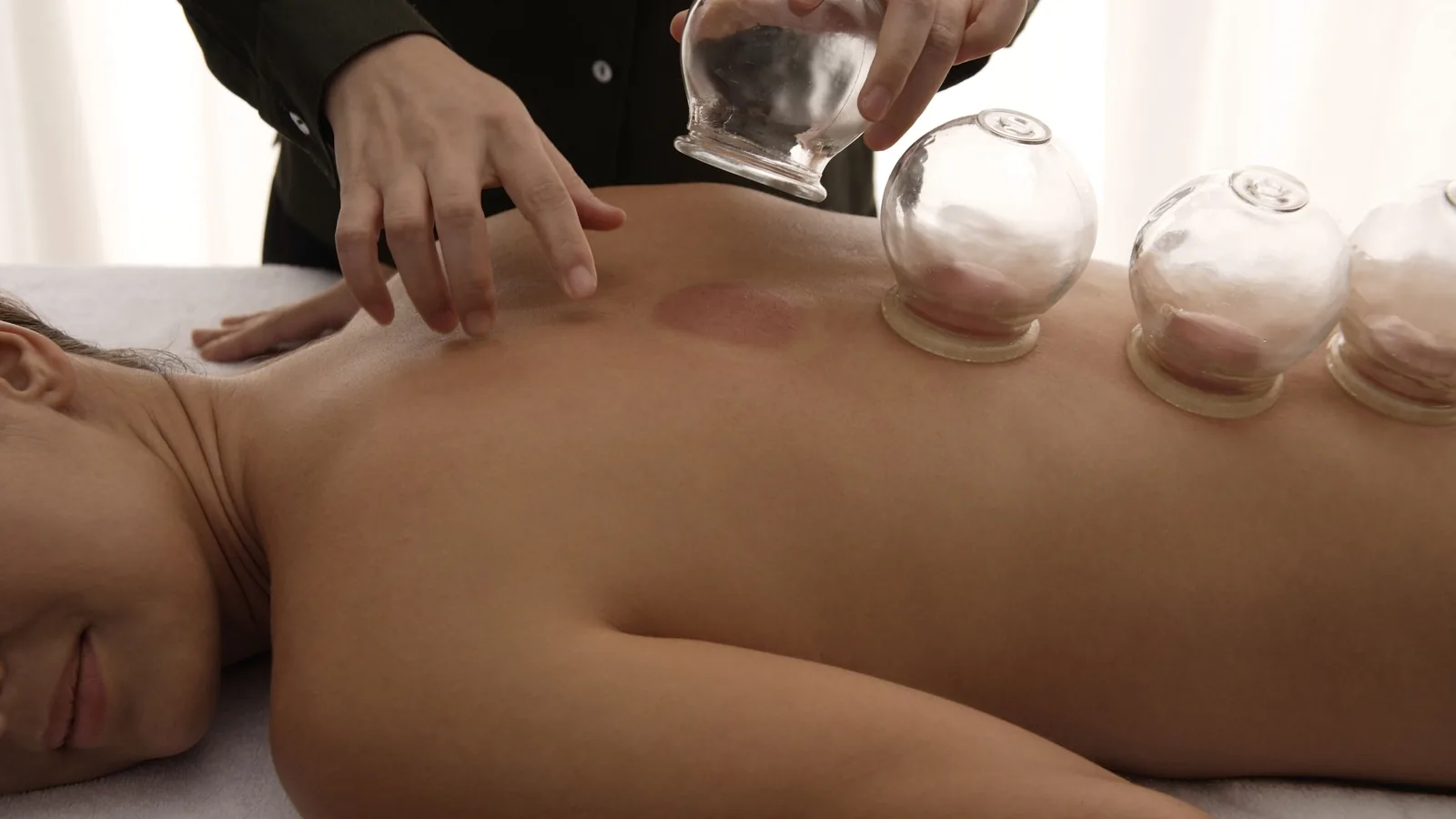
Rest settles the flare-up. It does not touch the reason the flare-up happened — which is why the next one arrives sooner.
Read the article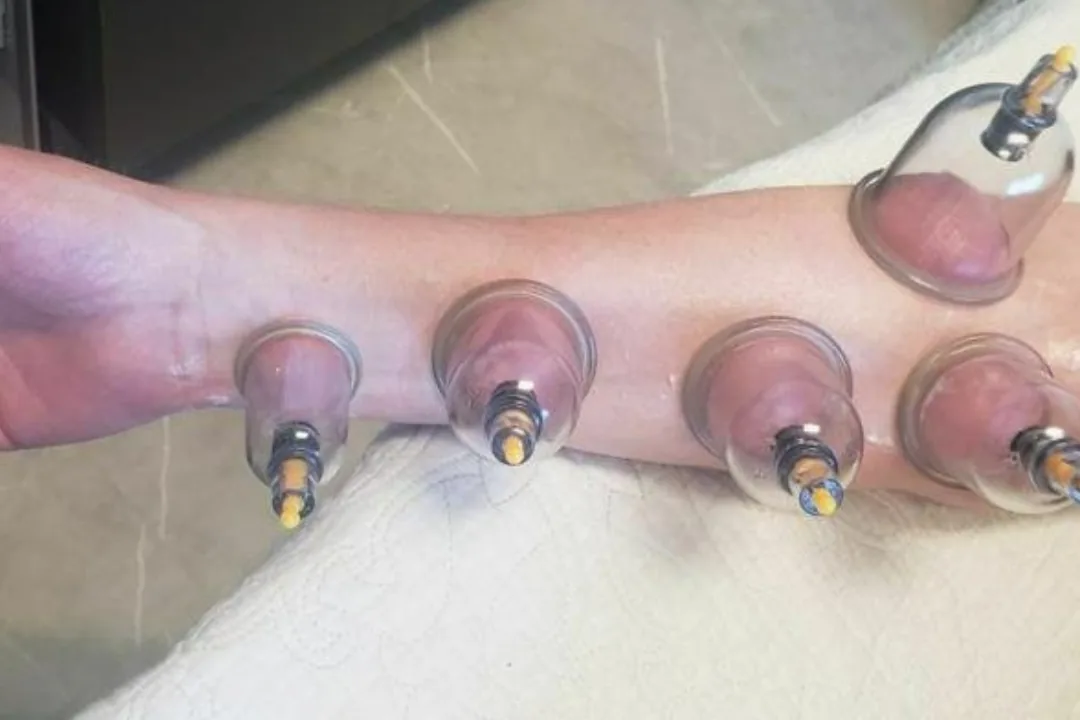
Cupping Marks Aren't Bruises — Here's What They Mean
Those circles are not impact bruising. They are the visible record of how much stagnation the tissue was holding.
Read the articleAlso treated
Other conditions
Low Back Pain
The most common reason people call — and the one most often treated as a symptom rather than a pattern.
Read moreHeadaches & Migraines
Migraine disorder affects the central nervous system. Osteopractic therapy targets the muscles and joints caught up in it.
Read more
Runner's Knee
Rapidly becoming a more common issue every year — and, in most cases, preventable.
Read moreGet an honest answer about your shoulder pain
The free discovery visit exists so you can find out whether this approach fits your problem before you spend anything.