
Treatment · Physical therapy in Dallas, TXSports Performance Therapy
Find the limitation while it is still a limitation — not after it has become six weeks off.
- Full-body evaluation, not just the joint that is complaining
- Treated at your gym, dosed against your competition calendar
- BFR keeps strength when a joint cannot take heavy load

The short version
Sports Performance Therapy in 30 seconds
What it is
A full body evaluation and treatment session aimed at what is going to hurt, not only at what already does.
What it finds
The limited range of motion or inflammation your body is already compensating for — quietly, on every stride, rep and swing.
What it protects
Availability. The single most valuable thing an athlete owns is the number of sessions they do not miss.
Why people choose it
What you get out of sports performance therapy
Athletes cannot afford to wait for pain. A full-body evaluation that finds the compensation before it becomes an injury.
Catches the problem early
Compensations are silent. You do not feel them — you feel what they eventually cost. An evaluation makes them visible while they are still cheap to fix.
Ready to compete at your best
A full body evaluation and session can ensure your body is ready to compete at the highest level while avoiding injuries.
The whole toolkit in one hour
Manipulation, dry needling, cupping, instrument-assisted work and BFR — whichever the evaluation says you need, in the same visit.
Dosed against your calendar
A tune-up in a competition week looks nothing like an off-season block. Treatment never costs you a session you needed.
Recovery without added fatigue
BFR gives a strength stimulus without the systemic cost of a heavy session two days before you compete.
At your gym
Treating you where you train means we can test the actual movement that matters, on the actual equipment you use.

Worth knowing
Proactive, not reactive
Waiting for pain is the single most expensive habit in amateur sport. A regular osteopractic session is the cheapest injury insurance an athlete can buy with their time.
What it commonly helps with
- Pre-season full body screening
- In-season maintenance
- Return to sport after injury
- Recurring hamstring, calf or groin issues
- Shoulder and elbow load management
- Runner's knee, shin splints, plantar fasciitis
- Recovery between competitions
Inside a session
What actually happens
Full body evaluation
Range, strength, control and load tolerance across the whole chain — not just the noisy joint.
Clear the restriction
Manipulation, dry needling, cupping or instrument-assisted work aimed at what the evaluation found.
Load it properly
Strength and control work, with BFR when the joint cannot yet take the weight it needs.
Fit it to the calendar
Dosage and timing set against your season, so treatment never costs you a session you needed.
What to expect afterwards
The evaluation
A clear picture of where you are limited, where you compensate, and how that connects to the thing you feel.
The session
Hands-on work to clear the restriction, then loading so the change is trained rather than borrowed.
Ongoing
A plan you can run inside your training week, with the timing set around what you are competing in.
Be honest with yourself
Is sports performance therapy right for you?
Being told “not this, and here is why” is part of the service. If it is not the right tool for your problem, you will hear that at the free discovery visit.
A good fit if
- Competing or training hard on a weekly basis
- The same niggle returning every season
- Coming back from an injury and wanting it done properly
- A big event on the calendar you cannot afford to miss
- Masters athletes who want to keep training, not taper down
- Youth athletes in a heavy growth or competition phase
Tell us first if
- An acute injury needing imaging or a physician first
- Wanting a passive treatment with no strength work involved
- Expecting a single session to replace a training plan
- Looking for performance-enhancing supplements or nutrition prescription
In depth
Everything else worth knowing
Written for people who want the reasoning, not just the summary.
Compensation is the real opponent
Anyone leading an active lifestyle or competing on a daily or weekly basis should be aware that their body is almost certainly compensating for a limited range of motion or inflammation. You do not feel a compensation. You feel what it eventually costs.
A full body evaluation and session with Dr. Lockett can ensure your body is ready to compete at the highest level while avoiding injuries. A regular session of osteopractic therapy will keep you active and in peak condition.
This is the same toolkit used for chronic pain — manipulation, dry needling, cupping, instrument-assisted work and blood flow restriction — aimed at a different question: not ‘why does this hurt?’ but ‘what is going to hurt if we leave it?’
Athletes cannot afford to wait for pain
Athletes cannot afford to wait until they are experiencing pain to allocate time for physical therapy. By the time a compensation produces symptoms, it has usually been operating for months and has already cost you movement quality you did not notice losing.
The economics are simple. An hour every few weeks is a small cost against a six-week lay-off in the middle of a season, and it is a fraction of what the rebuilding phase after that lay-off takes.
Built around your season
A tune-up in a competition week looks nothing like an off-season block. Sessions are timed and dosed against what you are training for, and the work happens at your gym where the movement actually occurs.
Blood flow restriction earns particular attention here: it maintains strength when a joint cannot take heavy load, and supports recovery between competitions without adding fatigue you cannot afford. Treatment effects seen after 12–16 weeks of traditional strengthening can be observed as soon as 2 weeks with BFR.
Return to sport, done properly
Coming back from an injury is where most re-injuries are created. The tissue heals, the pain goes, and the athlete resumes at the load they left off at — on a limb that has spent six weeks losing capacity.
A proper return-to-sport progression rebuilds capacity first, tests it under the demands the sport actually places on it, and only then reintroduces full load. BFR is often the tool that makes the early part of that possible.
Real Google reviews · Osteopractic Physical Therapy Dallas
Clients treated with this
“I’ve been dealing with hip pain for years and honestly thought it was just something I’d have to live with. After working with this PT, I’m finally running completely pain-free for the first time in years. Not only did they get rid of my…”
“I had been suffering pain in both knees for over a year. As a woman who was used to intense, frequent exercise, it was hard to give up things I enjoyed. Thanks…”
“I started seeing Dr. Brent about a month ago for neck pain that was really interfering with my workouts and weightlifting routine. Within five minutes of my…”
Physical therapy FAQ · Dallas, TX
Sports Performance Therapy: 15 questions answered
I am not in pain. Is there any point coming in?
That is exactly the point. A full body evaluation finds the limited range or inflammation your body is already compensating for, before the compensation becomes an injury.
Can you work with me at my gym?
Yes — home, office or gym. Treating you where you train means we can test the actual movement that matters on the equipment you actually use.
Will treatment interfere with my training week?
Sessions are dosed against your calendar. Tell us what is coming up and the plan is built around it.
Do you work with youth and masters athletes?
Yes. The approach is the same at any age: find the limitation, clear it, load it, and teach you how to keep it.
How often should an athlete come in?
It depends on your sport, your training load and where you are in the season. Some athletes come in regularly for maintenance; others come pre-season and around key events.
Can you help me return to sport after surgery?
Post-surgical rehabilitation and return to sport are a core part of the work, and BFR makes the early capacity-building phase possible far sooner than conventional loading allows.
Do you write my training program?
The rehabilitation and capacity work is prescribed here and designed to fit alongside your training. Where you have a coach, the two are coordinated rather than duplicated.
What sports do you work with?
Anything that loads a body repeatedly — running, lifting, court and field sports, combat sports, golf, cycling, gymnastics. The examination is sport-specific even when the toolkit is not.
Is dry needling useful for athletes?
Very. It reaches trigger points at a depth hands cannot, and the change in range of motion is often immediate, which matters when you are training the next day.
Can I train the same day as a session?
Usually yes, with the load adjusted. Tell us what is in your program that day and the session is planned around it.
Will BFR help me while I am healthy?
Yes. Combined with aerobic or high-intensity interval training it improves VO₂ max and aerobic capacity, and it is a useful recovery tool inside a heavy block.
What if the evaluation finds something serious?
Then you get told, and you get pointed to the right person. Differential diagnosis is part of the post-doctorate osteopractic training precisely so that call can be made.
How is this different from seeing a sports massage therapist?
Massage treats tissue. This is a full neuro-musculoskeletal examination plus manipulation, needling, instrument-assisted work and loaded rehabilitation delivered by a doctor of physical therapy with post-doctorate osteopractic training.
Do I need a referral?
No. A prescription for physical therapy is not required and you can book immediately.
Do you offer packages for athletes?
Yes. Alongside individual sessions there is a 6 visit pain/movement plan ($840) and a 12 visit performance package ($1560), each tailored to your goals.

Dr. Brent Lockett
Dr. Lockett treats busy executives, professionals and athletes in chronic pain at the North Dallas clinic and across Dallas and the surrounding areas. He holds a Diploma in Osteopractic and is certified in dry needling, spinal manipulation and blood flow restriction therapy. Read his full background.
Written by Dr. Brent Lockett
Keep reading
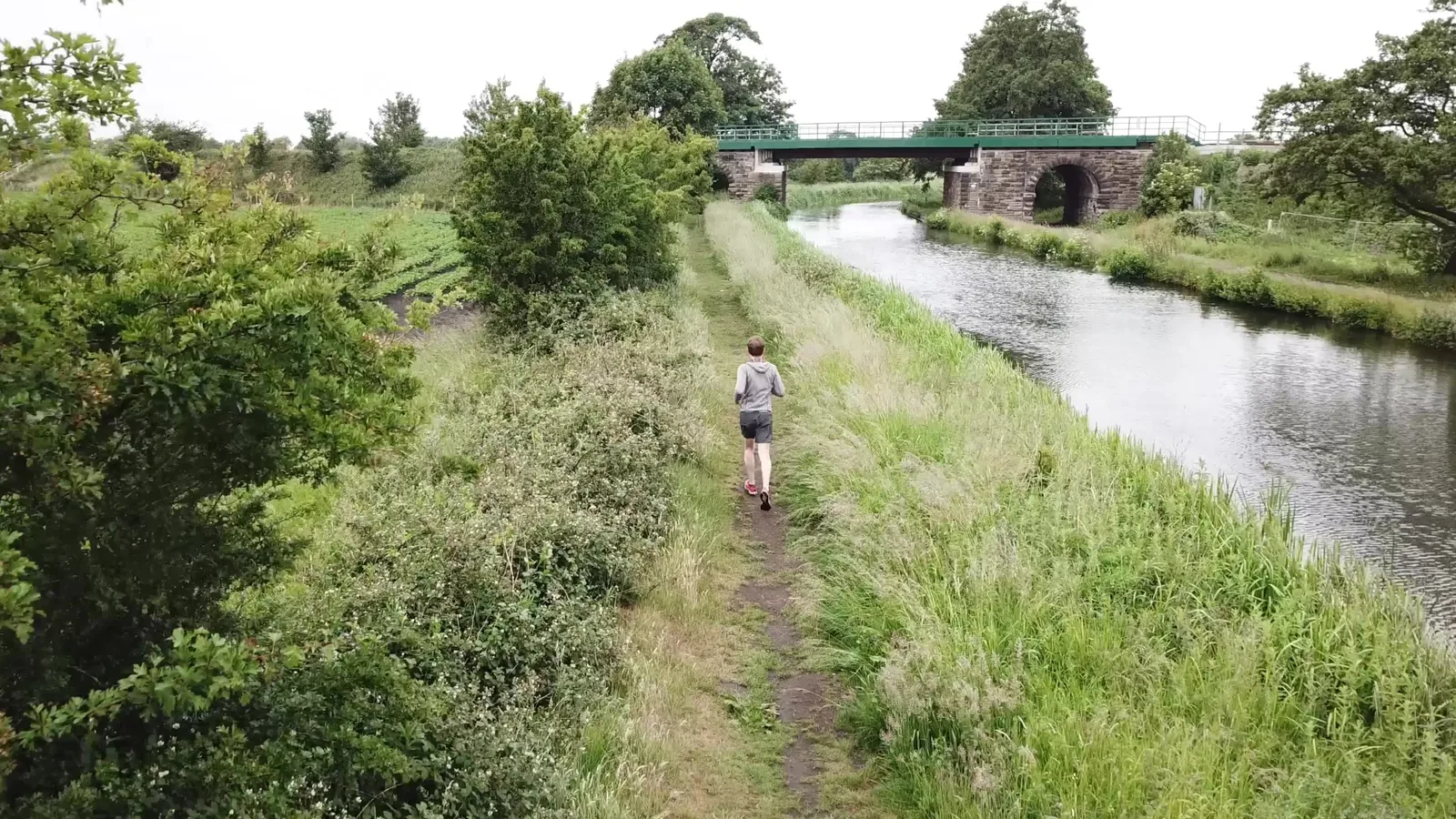
Runner's Knee Is Preventable — Here's What Predicts It
It is a load problem, not a damage problem — which is exactly why it can be seen coming.
Read the article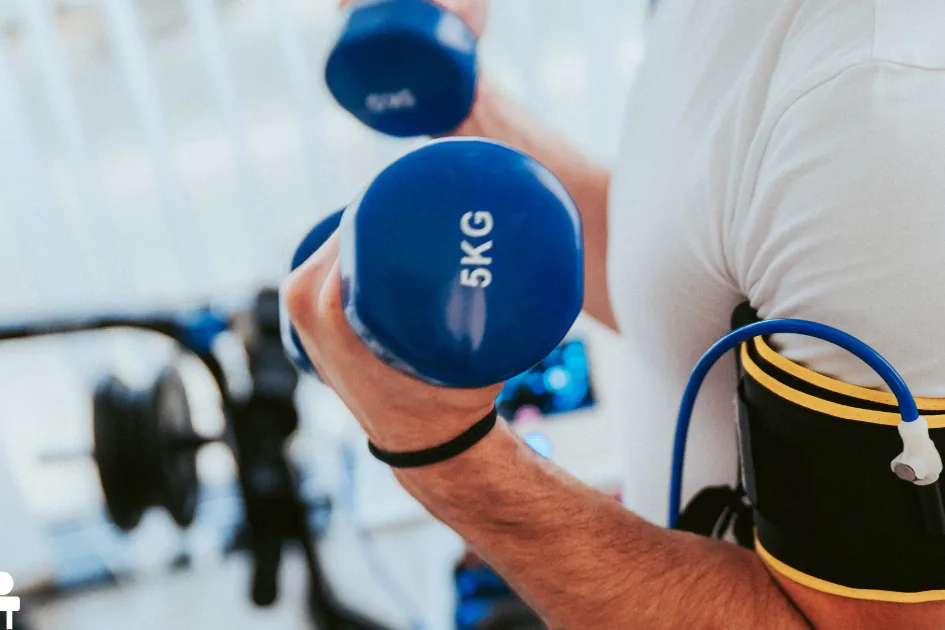
Blood Flow Restriction: Build Strength Without Heavy Loads
The rehab bind is simple: strengthening needs load, and load is what flares the joint. BFR is how you get out of it.
Read the articleAlso offered
Other treatments
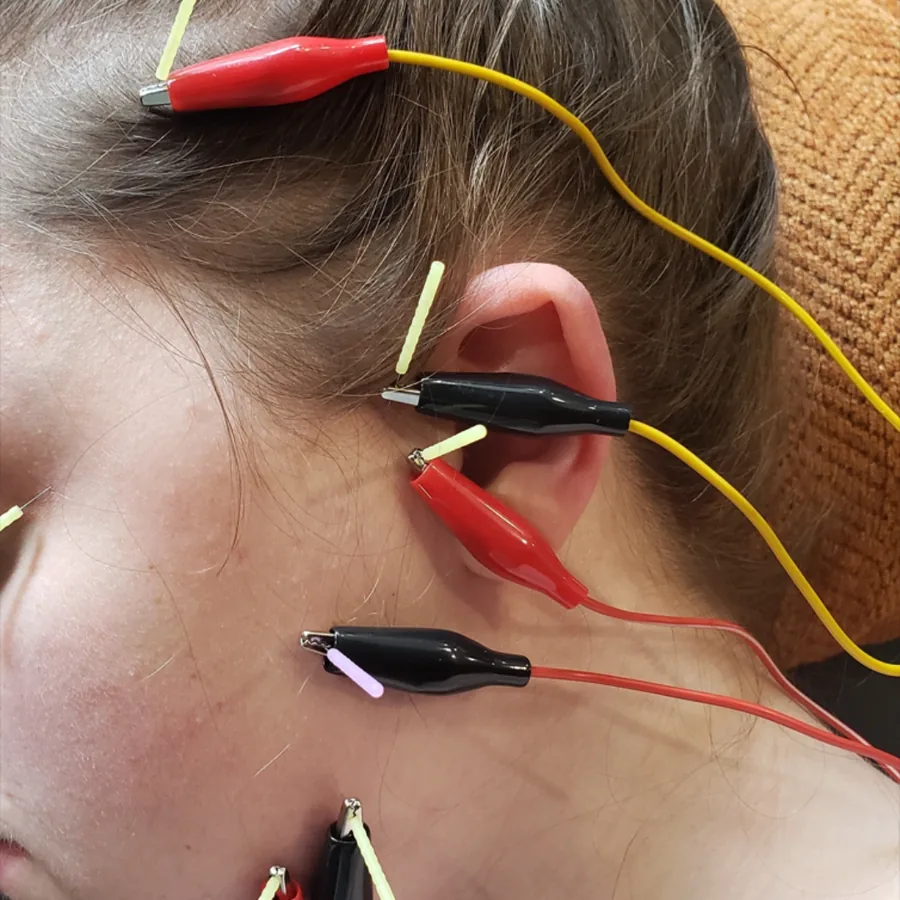
Dry Needling
Fine microfilament needles into the trigger point that is actually driving your pain — releasing knots ordinary hands-on work cannot reach.
Explore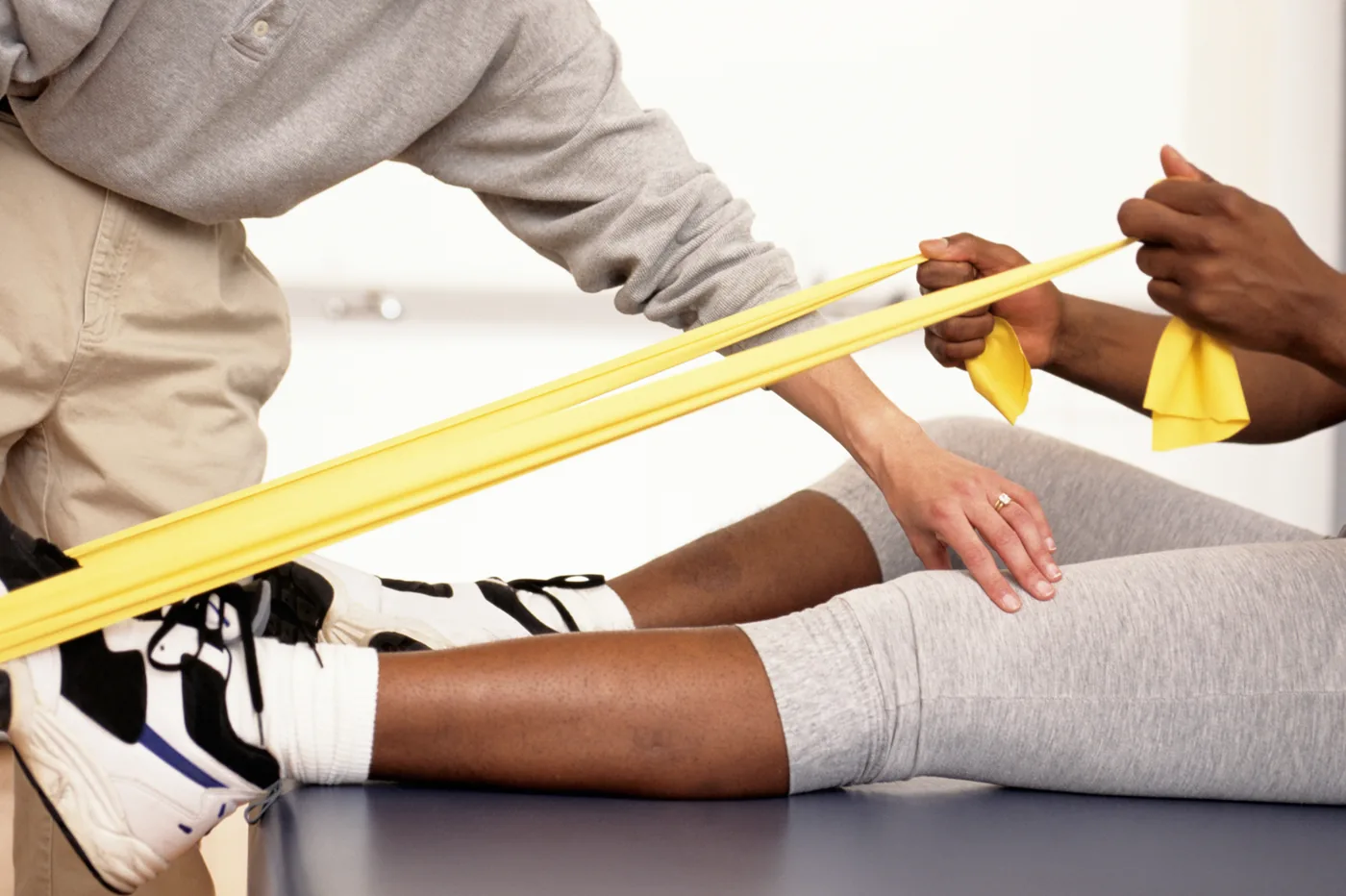
Spinal & Extremity Manipulation
A gentle, targeted thrust that restores movement to a specific joint — comfortable, controlled, and delivered inside your available range.
Explore
Blood Flow Restriction Therapy
Build strength and muscle size at light loads — one of the few practices in the Dallas area offering certified BFR inside a rehab plan.
ExploreReady to start?
Book a free discovery visit and find out whether sports performance therapy is the right tool for your problem. No referral needed, no obligation.