
Condition · Physical therapy treatment in Dallas, TXRunner's Knee
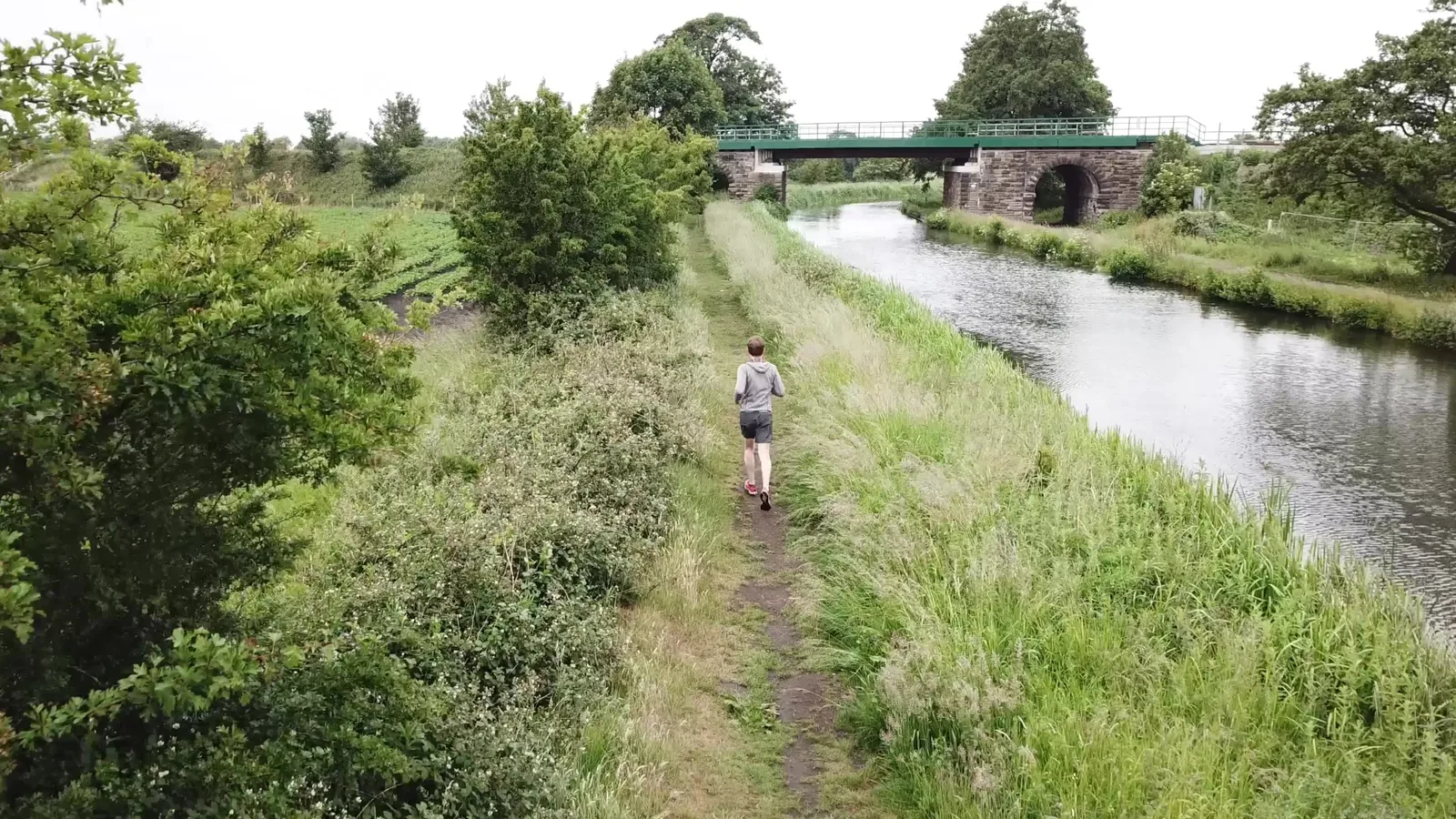
Keep running. We modify the load instead of removing it, then build the hip and calf capacity that stops it coming back at mile four.
- Most runners keep running through the whole process
- BFR builds strength when the knee cannot take heavy load
- Treated at your gym, dosed around your race calendar
The short version
Runner's Knee in 30 seconds
Runner's knee is rapidly becoming a more common issue every year — and did you know that it is preventable?
What it usually is
A load tolerance problem, not structural damage. The tissue around the kneecap is being asked for more capacity than it currently has.
What predicts it
A training spike, hip strength and control, calf capacity, and cadence. All four are measurable before they hurt.
How we fix it
Modify load, clear the restriction, build hip and calf capacity — with blood flow restriction when the knee cannot yet tolerate strength-training weights.
What treatment gets you
Why people come in for this
You do not lose your season
“Stop running” costs you the exact capacity you need for the comeback. Load gets modified instead.
Strength without flaring the knee
Blood flow restriction produces real strength adaptation at weights the joint can handle today.
The cause, not the kneecap
Hip control and calf endurance are usually where the answer is. We test them rather than assume.
A number to track
The distance at which symptoms start becomes your progress marker, so you can see it working rather than hope.
Tested where you train
Sessions happen at your gym, on your equipment, in the movement that actually matters.
Preventable next time
You finish knowing which of the four levers is yours, and what to watch when the mileage climbs again.
Does this sound like you?
Signs we hear most often
None of this is a diagnosis. It is a good reason to have the area properly examined rather than managed for another year.
Common signs
- Ache around or behind the kneecap
- Pain going down stairs or hills
- Pain after sitting for a long stretch
- Symptoms that appear at a predictable distance
- A grinding or gritty feeling behind the kneecap
- Onset a few weeks after increasing mileage or pace
See a physician instead if
See a physician promptly for a knee that locks, gives way completely, swells rapidly after an injury, or cannot bear weight.
How we treat it
The tools we reach for

Sports Performance Therapy
Athletes cannot afford to wait for pain. A full-body evaluation that finds the compensation before it becomes an injury.
Explore
Blood Flow Restriction Therapy
Build strength and muscle size at light loads — one of the few practices in the Dallas area offering certified BFR inside a rehab plan.
Explore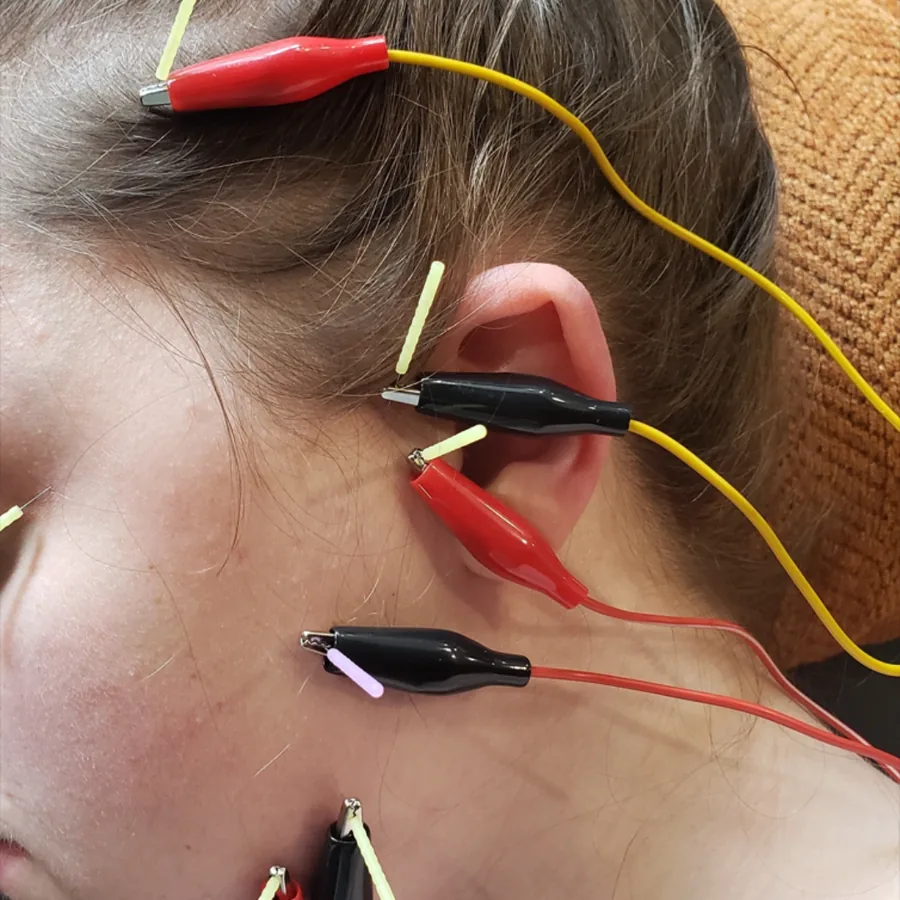
Dry Needling
Fine microfilament needles into the trigger point that is actually driving your pain — releasing knots ordinary hands-on work cannot reach.
ExploreWhat to expect
First visit
A full-chain evaluation — hip, knee, calf, control and load tolerance — plus a clear plan for this week's running.
First two weeks
Volume down, hills and speed out, strength work in. Most people keep running the whole time.
Returning
Volume and intensity are rebuilt deliberately, because the comeback run is where re-injuries are made.
Your first four steps
How it works
No referral needed, no waiting list to join, and nothing charged before you know this is the right fit.
Free discovery visit
We talk first. What is going on, what you have already tried, and whether this is genuinely the right approach for your problem. No charge, no obligation.
Full examination
A thorough neuro-musculoskeletal examination to find the root cause — including ruling out anything that should be seen by a physician instead.
Findings & plan
We go through what was found and what it means, then build an advanced treatment plan around the goals you actually came in with.
Treat, load, teach
Hands-on treatment, loaded movement, and the self-mobilization and exercise you need so the change holds between visits.
In depth
What is actually going on
Written for people who want the reasoning, not just the summary.
It is almost never the knee's fault
Pain around or behind the kneecap during running, stairs or long periods of sitting is usually a load problem, not a damage problem. The knee is where the symptoms land; the cause is usually somewhere in the chain around it.
Hip strength and control, calf capacity, cadence, training volume, and how quickly that volume changed — those are the levers. A knee that hurts at mile four on a new training block is telling you about the block, not about cartilage.
That is also why it is preventable. The things that predict it are measurable before they hurt: single-leg control, hip abductor and extensor strength, calf endurance, and a training load that climbed faster than tissue tolerance.
IT band syndrome: the other runner's knee
Pain on the outside of the knee rather than the front is usually iliotibial band syndrome, and it is common enough in runners and cyclists to be worth naming separately. It tends to arrive at a predictable point in a run, hurts most on downhills and on stairs, and settles quickly with rest — then returns at the same distance next time.
The old model was a tight band rubbing over the bone, and it produced years of foam rolling that changed very little. The band is not a muscle and does not meaningfully lengthen. What does change is the load reaching it, which comes from hip control, cadence and how fast your training volume climbed.
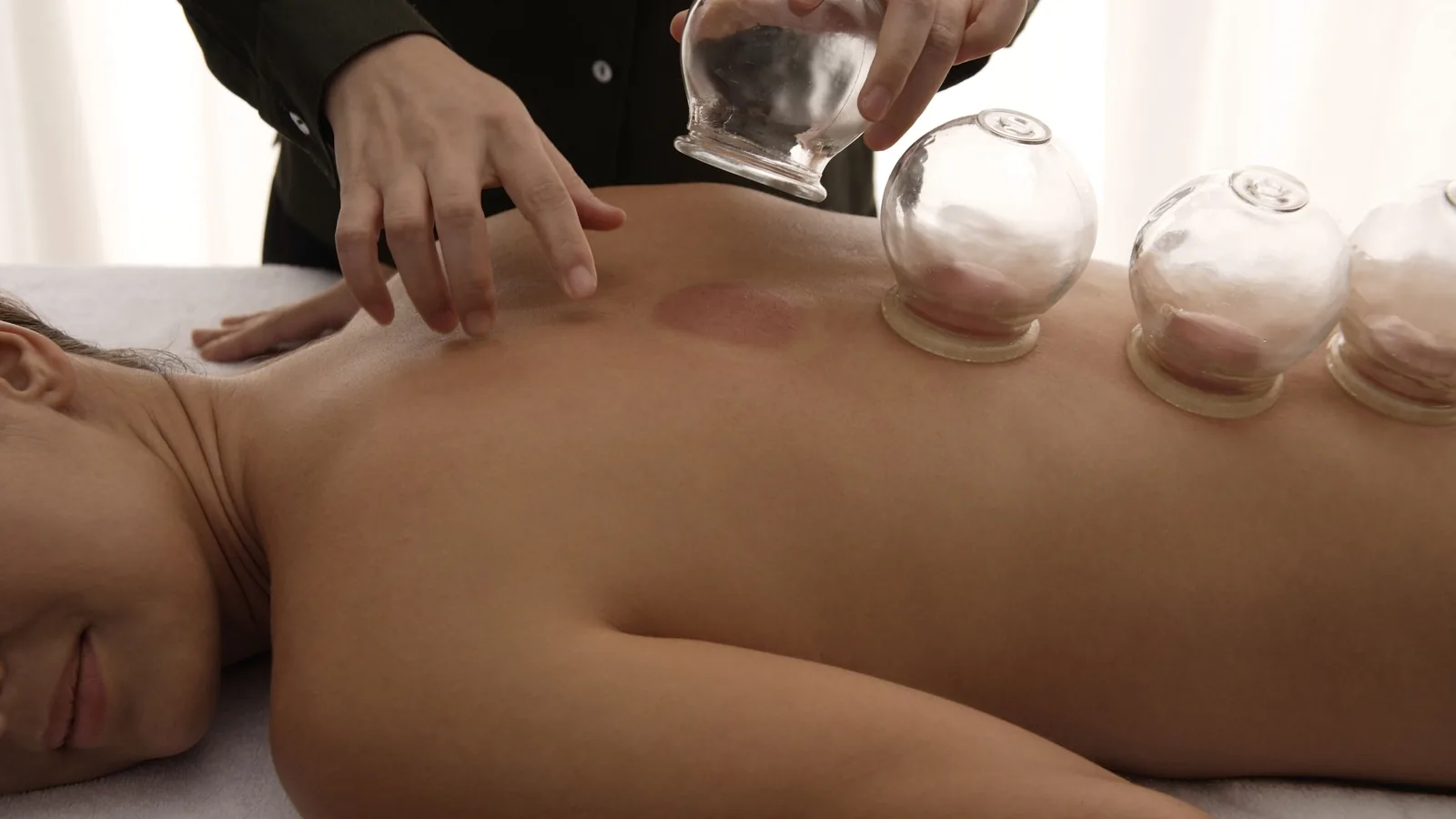
So the plan looks much like the one for patellofemoral pain: modify load rather than remove it, build hip abductor and extensor capacity, address cadence, and use dry needling or cupping where the lateral thigh and glutes are genuinely restricted. Blood flow restriction covers the strength work while the knee is still too irritable for heavier loading.
Getting you back to running, not away from it
“Stop running” is easy advice and usually poor advice. Complete rest de-trains the exact tissue that needs capacity, and the pain returns on the first comeback run.
The plan here modifies load rather than removing it, builds hip and calf capacity, uses dry needling or cupping where restriction is limiting mechanics, and brings in blood flow restriction when the knee cannot yet tolerate the loads strength work would normally need.
Real Google reviews · Osteopractic Physical Therapy Dallas
Clients with the same problem
“I'm so grateful I was referred to Dr. Lockett, as his guidance and expertise really turned my situation around for the better. After seven knee surgeries I was quite weak and my functional capacity had never been lower; within weeks of…”
“I had been suffering pain in both knees for over a year. As a woman who was used to intense, frequent exercise, it was hard to give up things I enjoyed. Thanks…”
“I’ve been dealing with hip pain for years and honestly thought it was just something I’d have to live with. After working with this PT, I’m finally running completely pain-free for the first time in years. Not only did they get rid of my…”
Physical therapy FAQ · Dallas, TX
Runner's Knee: 10 questions answered
Do I have to stop running completely?
Rarely. Load is usually modified rather than removed, because the tissue needs capacity and complete rest takes capacity away.
Are my running shoes the problem?
Occasionally a factor, seldom the cause. Training load, hip and calf capacity and running mechanics matter far more than the shoe on the shelf.
Can you help before it hurts?
That is the better version of this appointment. A full body evaluation finds the limitation while it is still cheap to fix.
Do I have to stop running?
Rarely. Load is usually modified rather than removed, because the tissue needs capacity and complete rest takes capacity away. Most runners keep running through the process.
Are my shoes the problem?
Occasionally a factor, seldom the cause. Training load, hip and calf capacity and running mechanics matter far more than the shoe on the shelf.
Can you help before it hurts?
That is the better version of this appointment. A full body evaluation finds the limitation while it is still cheap to fix.
Is the cartilage behind my kneecap damaged?
Usually this is a load tolerance problem rather than structural damage. Imaging findings and symptoms correlate poorly at the knee, which is why the examination leads.
Why does it hurt after sitting for a long time?
Sustained knee flexion loads the patellofemoral joint, so a long meeting or a flight often reproduces symptoms. It is a useful clue rather than a sign of damage.
What should I do about my training this week?
Cut volume rather than stopping, take hills and speed work out for now, and note the distance at which symptoms begin on every run. That number is your progress marker.
Does strength training help or make it worse?
The right loading helps a great deal — hip abductor and extensor strength and calf capacity are the levers. Where the knee is too irritable for the loads strength work needs, blood flow restriction training fills the gap.

Dr. Brent Lockett
Dr. Lockett treats busy executives, professionals and athletes in chronic pain at the North Dallas clinic and across Dallas and the surrounding areas. He holds a Diploma in Osteopractic and is certified in dry needling, spinal manipulation and blood flow restriction therapy. Read his full background.
Written by Dr. Brent Lockett
Keep reading
Runner's Knee Is Preventable — Here's What Predicts It
It is a load problem, not a damage problem — which is exactly why it can be seen coming.
Read the article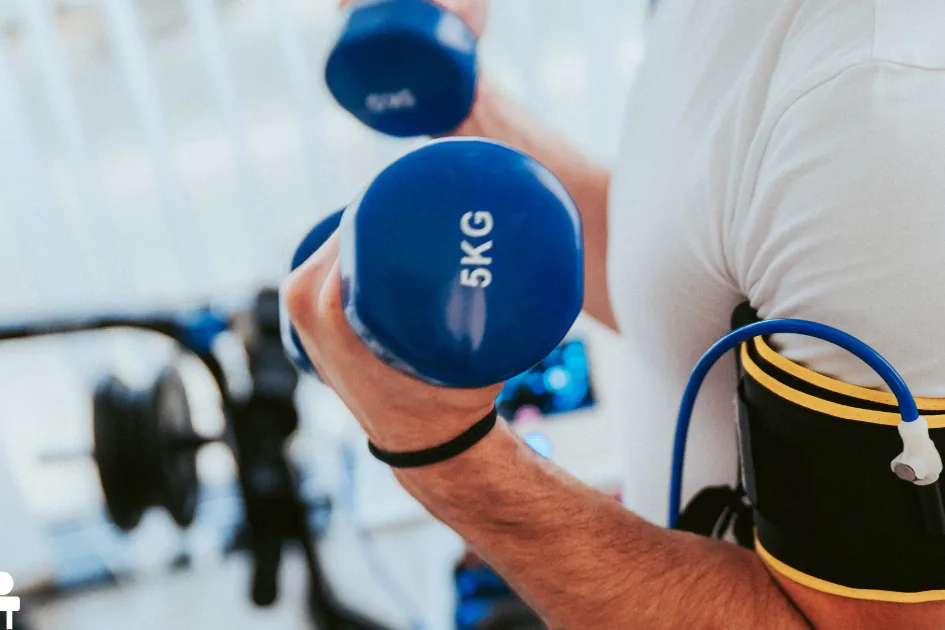
Blood Flow Restriction: Build Strength Without Heavy Loads
The rehab bind is simple: strengthening needs load, and load is what flares the joint. BFR is how you get out of it.
Read the articleAlso treated
Other conditions
Low Back Pain
The most common reason people call — and the one most often treated as a symptom rather than a pattern.
Read moreHeadaches & Migraines
Migraine disorder affects the central nervous system. Osteopractic therapy targets the muscles and joints caught up in it.
Read more
Arthritis
Relief from the symptoms, plus better movement quality — so everyday activities get easier rather than smaller.
Read moreGet an honest answer about your runner's knee
The free discovery visit exists so you can find out whether this approach fits your problem before you spend anything.