
Condition · Physical therapy treatment in Dallas, TXTennis & Golfer's Elbow
Stop nursing it. Tendons respond to graded load, and we build a plan you can run around your work, your training and your grip.
- Tendon loading, not rest — rest is why it keeps returning
- The neck gets screened, because it refers pain to the elbow
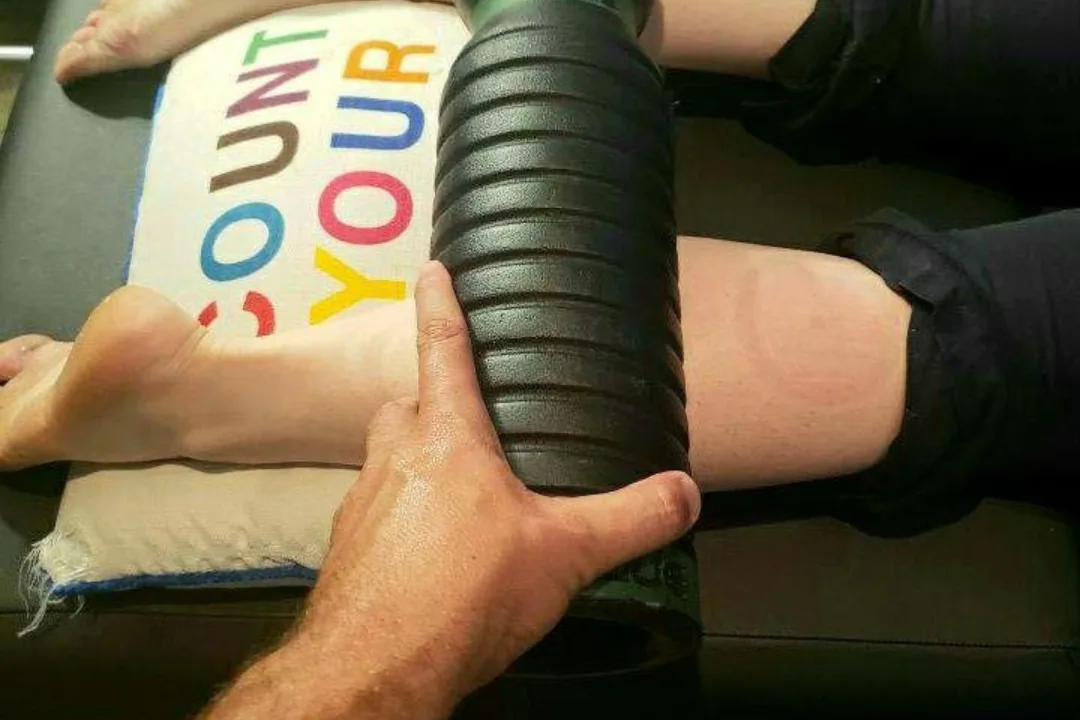
- BFR builds forearm strength when gripping still hurts
The short version
Tennis & Golfer's Elbow in 30 seconds
Tennis elbow and golfer's elbow are tendon problems, and tendons answer to load — which is why rest feels good for two weeks and then fails.
What it is
Tendinopathy where the forearm muscles attach at the elbow — outside for tennis elbow, inside for golfer's elbow. Degenerative change and sensitivity, not classic inflammation.
What it responds to
Graded, progressive load. Tendons remodel under load and de-condition without it, which is why rest gives short relief and long recurrence.
What gets ruled out
Referred pain from the neck, nerve entrapment at the elbow, and joint causes. They can all imitate this and none of them respond to tendon loading.
What treatment gets you
Why people come in for this
Loading that a sore tendon can take
Isometrics first, then heavy slow resistance as tolerance allows. Blood flow restriction fills the gap when even light gripping is provocative.
The neck gets checked
A meaningful share of stubborn elbow pain is referred from the cervical spine or involves a nerve. Loading a tendon that is not the problem wastes months.
Deep tissue actually reached
Dry needling into the forearm extensors or flexors changes tension at a depth that massage cannot, and usually improves grip comfort the same session.
Built around your grip
The mouse, the tool, the bar, the racket. Sessions happen where the loading happens, so the modification is real rather than theoretical.
A marker you can track
Pain-free grip and how long you can work before symptoms start become the numbers that show progress.
Straight talk on injections
You will get an honest view on where injections help, where they cost you, and what has to happen either way.
Does this sound like you?
Signs we hear most often
None of this is a diagnosis. It is a good reason to have the area properly examined rather than managed for another year.
Common signs
- Pain on the outside of the elbow when gripping or lifting (tennis elbow)
- Pain on the inside of the elbow with gripping or wrist flexion (golfer's elbow)
- A weak, painful handshake or coffee cup
- Tender to press right on the bony point of the elbow
- Worse after a day of typing, DIY, racket sport or heavy pulling
- Ache that lingers for hours after the activity has stopped
See a physician instead if
See a physician for elbow pain following a fall or obvious deformity, an elbow that locks or cannot be straightened, spreading numbness or weakness in the hand, or a hot, red, swollen joint.
How we treat it
The tools we reach for
Dry Needling
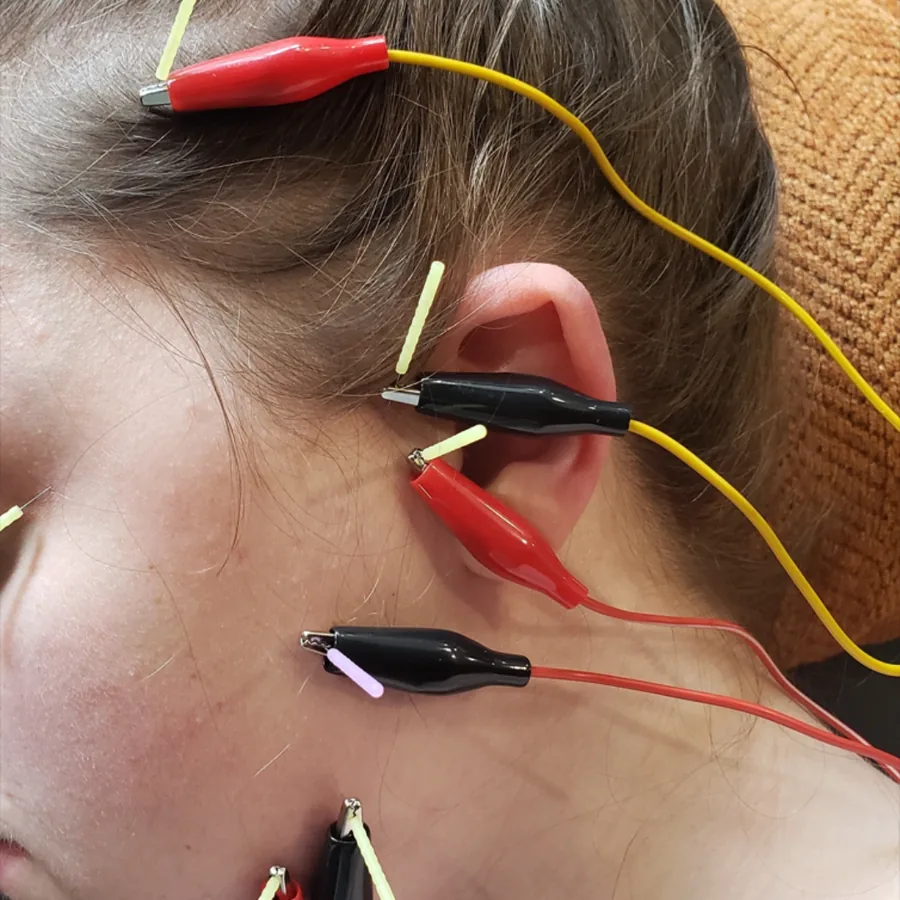
Fine microfilament needles into the trigger point that is actually driving your pain — releasing knots ordinary hands-on work cannot reach.
Explore
Blood Flow Restriction Therapy
Build strength and muscle size at light loads — one of the few practices in the Dallas area offering certified BFR inside a rehab plan.
Explore
PEMF Therapy (Pulsed Electromagnetic Field)
A pulsed magnetic field applied to tissue that is slow to settle. Passive, cumulative, and used here alongside loading rather than instead of it.
ExploreWhat to expect
First visit
Elbow, wrist, shoulder and neck examination, grip testing, then hands-on treatment and the first loading session.
Early weeks
Isometric loading for comfort, activity modification at work or in training, and manual work to reduce tissue tension.
Later
Progressive strength work, because a tendon that is not loaded stays vulnerable long after the pain has gone.
Your first four steps
How it works
No referral needed, no waiting list to join, and nothing charged before you know this is the right fit.
Free discovery visit
We talk first. What is going on, what you have already tried, and whether this is genuinely the right approach for your problem. No charge, no obligation.
Full examination
A thorough neuro-musculoskeletal examination to find the root cause — including ruling out anything that should be seen by a physician instead.
Findings & plan
We go through what was found and what it means, then build an advanced treatment plan around the goals you actually came in with.
Treat, load, teach
Hands-on treatment, loaded movement, and the self-mobilization and exercise you need so the change holds between visits.
In depth
What is actually going on
Written for people who want the reasoning, not just the summary.
Why rest is the trap
Tendon pain settles with rest. That is what makes rest so convincing and so unhelpful as a plan.
A tendon is load-responsive tissue: it remodels and strengthens in response to mechanical demand, and it de-conditions without it. Three weeks of avoiding the elbow leaves you with a comfortable, weaker tendon that fails at a lower load than before. Then the first real day of work brings it all back, and the story becomes ‘it never goes away’.
The alternative is not pushing through pain. It is graded load: an amount the tendon can handle today, progressed as capacity improves.
It is often not the elbow
Two things imitate tennis and golfer's elbow closely enough to waste months.
The first is referred pain from the neck. Cervical structures refer into the forearm and elbow, and if that is your mechanism, no amount of forearm loading will change it. That is why the neck is examined at the first visit, not the fifth.
The second is nerve involvement — the radial nerve at the elbow can produce a pattern that reads as tennis elbow, and the ulnar nerve can imitate golfer's elbow. The testing that separates these is part of the examination.
What the loading actually looks like
Isometrics first in most cases: a static hold, at a level that is comfortable, often with an immediate reduction in pain that lasts long enough to be useful.
Then progressive strengthening of the wrist extensors or flexors, and the grip itself, at loads that increase as tolerance does. Slow, controlled, boring, and the thing that actually works.
Where gripping is too provocative to load meaningfully, blood flow restriction produces strength adaptation at weights the elbow can accept — the same reason it is used after surgery.
Dry needling, cupping and instrument-assisted work sit alongside this to reduce tissue tension so the loading is tolerable. They are the support act.
Work, sport and the things that keep re-loading it
Elbow tendinopathy is a cumulative-load problem, so what happens in the other 23 hours matters more than the session.
Mouse and keyboard position, tool grip size, how much you carry and how you carry it, racket grip and string tension, barbell knurl and pulling volume — each of these is a dose you can adjust. Seeing your actual desk or your actual gym is why mobile care helps here.
None of that is a reason to stop working or training. It is a reason to change the dose while the tendon rebuilds.
Real Google reviews · Osteopractic Physical Therapy Dallas
Clients with the same problem
“I’ve been dealing with hip pain for years and honestly thought it was just something I’d have to live with. After working with this PT, I’m finally running completely pain-free for the first time in years. Not only did they get rid of my…”
“I'm so grateful I was referred to Dr. Lockett, as his guidance and expertise really turned my situation around for the better. After seven knee surgeries I was quite weak and my functional capacity had never been lower; within weeks of…”
“I'm so glad I found Brent!!! I was having some serious back pain and after just a few sessions it was already feeling better. He's super knowledgable and I'm very thankful for him!”
Physical therapy FAQ · Dallas, TX
Tennis & Golfer's Elbow: 12 questions answered
Do I have to play tennis or golf to get this?
No, and most people with it do not. Keyboards, tools, lifting, gardening and carrying produce far more cases than either sport.
What is the difference between the two?
Tennis elbow is on the outside of the elbow and involves the wrist extensors; golfer's elbow is on the inside and involves the flexors. The mechanism and the treatment principles are the same.
Should I rest it?
Complete rest gives short-term relief and long-term recurrence, because tendons de-condition without load. Activity is modified rather than stopped.
How long does it take?
Tendons are slow tissue. The plan runs until the tendon tolerates load again, and the loading program continues beyond that — and you will leave knowing exactly what to keep doing.
Do elbow straps or braces help?
Many people find a counterforce strap reduces symptoms during activity. It changes load distribution, not tendon capacity, so it works alongside the strengthening rather than instead of it.
What about a cortisone injection?
It can settle pain quickly. The evidence on longer-term outcomes for tendon pain is much less flattering, and it does not build capacity. That is a conversation for you and your physician, and you will get a straight view of the trade-off.
Does dry needling help tennis elbow?
It is one of the conditions dry needling is regularly used for. It reduces forearm muscle tension at depth, which usually makes gripping and the loading work more tolerable.
Why does my grip feel weak?
Painful tendons inhibit the muscles around them. Grip strength usually returns as pain settles and loading progresses — it is a useful marker to track.
Can it be coming from my neck?
Yes, and it is checked at the first visit. Cervical referral and nerve involvement both imitate elbow tendinopathy, and neither responds to tendon loading.
Can I keep lifting?
Usually, with modifications to grip, volume and which pulling movements you use. Bring your program and it gets planned around rather than canceled.
Is it worse because I work at a computer?
Sustained low-level grip and wrist extension all day is a real cumulative load. The workstation is part of the assessment, which is easier when the session happens at your desk.
Will it come back?
It is far less likely if the tendon finishes stronger than it started. That is the whole point of continuing to load after the pain has gone.

Dr. Brent Lockett
Dr. Lockett treats busy executives, professionals and athletes in chronic pain at the North Dallas clinic and across Dallas and the surrounding areas. He holds a Diploma in Osteopractic and is certified in dry needling, spinal manipulation and blood flow restriction therapy. Read his full background.
Written by Dr. Brent Lockett
Keep reading
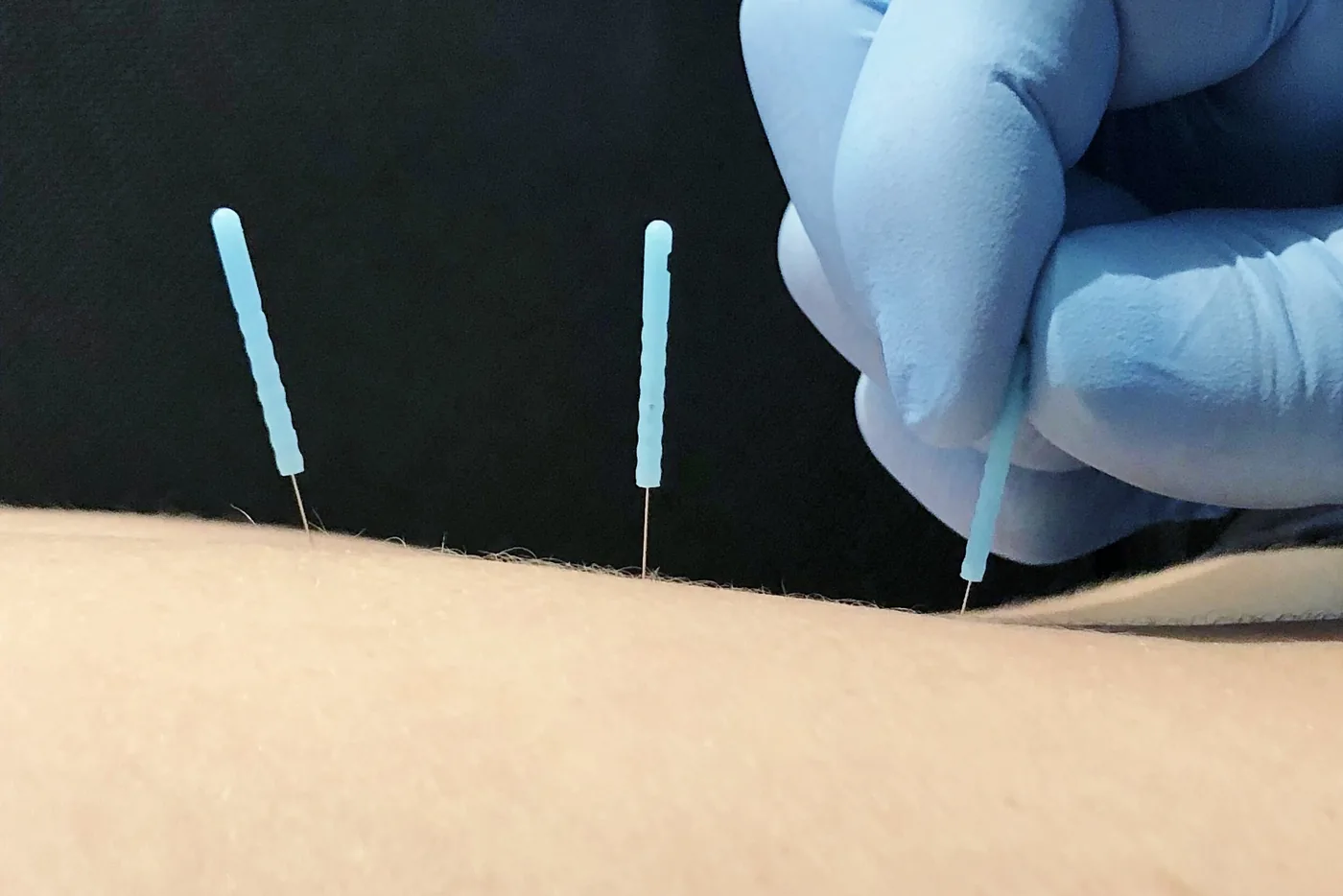
Dry Needling vs. Acupuncture: What's Actually Different
They use a similar needle. That is roughly where the similarity ends — and the difference decides whether the treatment finds your problem.
Read the article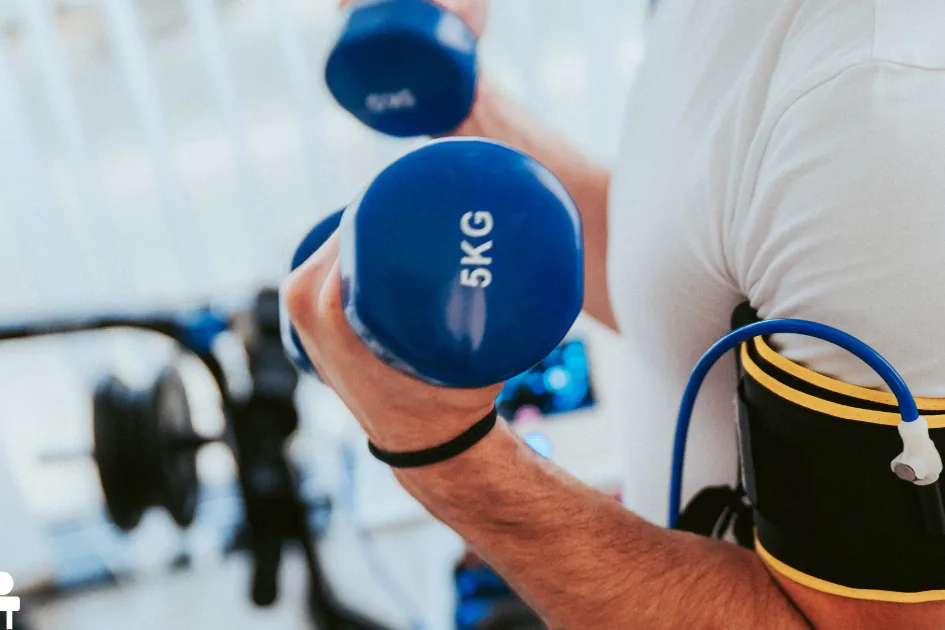
Blood Flow Restriction: Build Strength Without Heavy Loads
The rehab bind is simple: strengthening needs load, and load is what flares the joint. BFR is how you get out of it.
Read the articleAlso treated
Other conditions
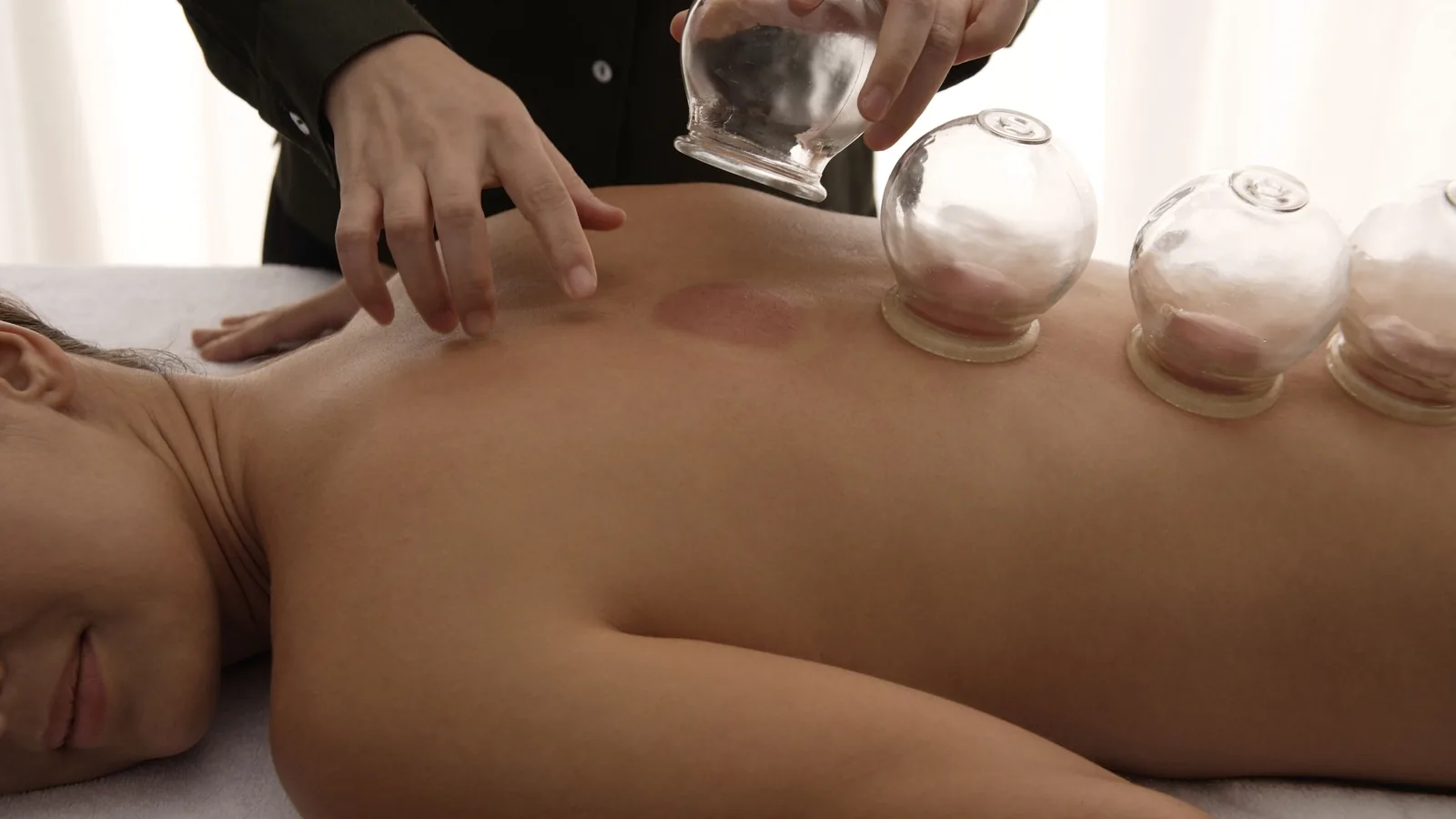
Low Back Pain
The most common reason people call — and the one most often treated as a symptom rather than a pattern.
Read moreHeadaches & Migraines
Migraine disorder affects the central nervous system. Osteopractic therapy targets the muscles and joints caught up in it.
Read more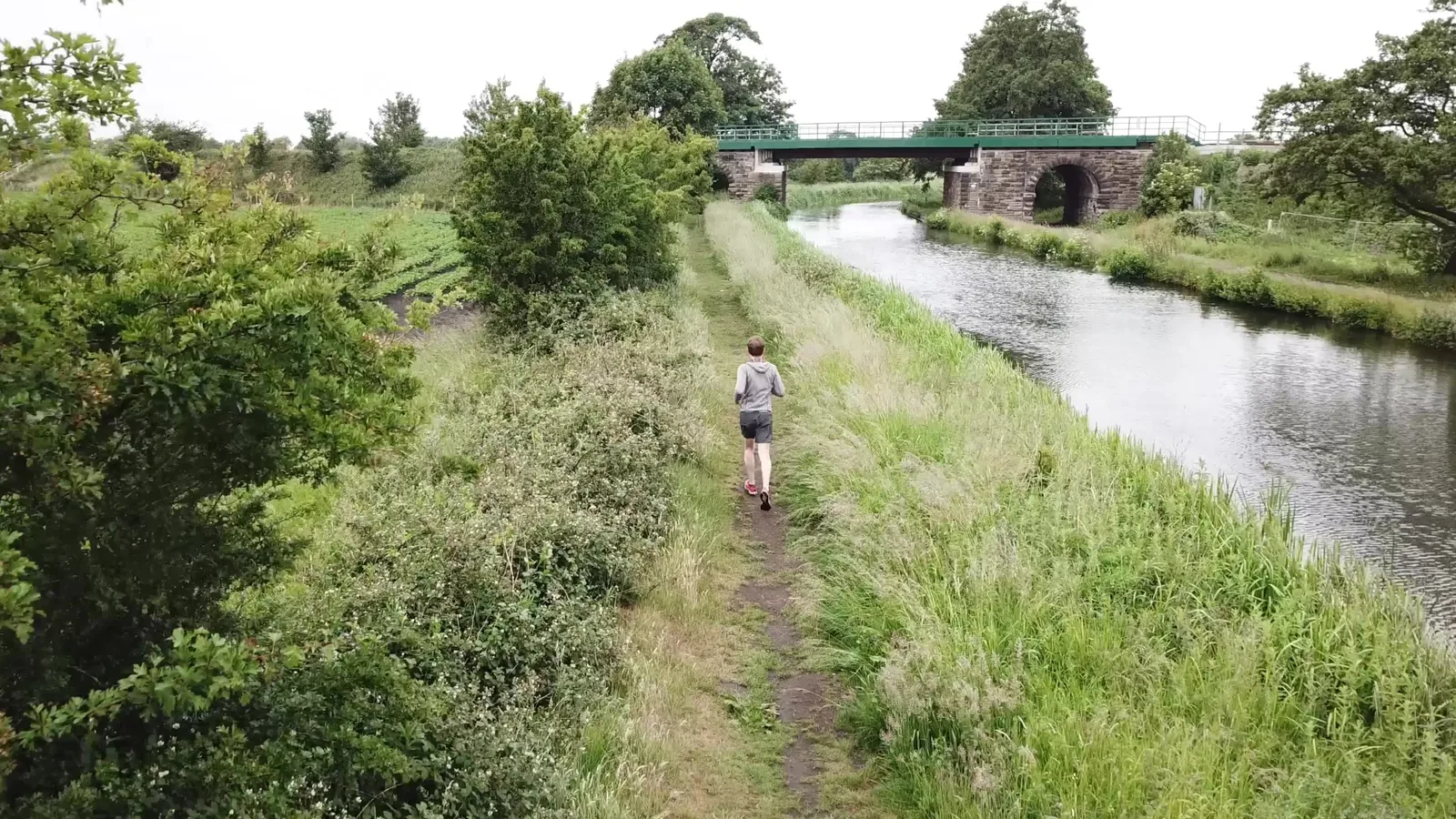
Runner's Knee
Rapidly becoming a more common issue every year — and, in most cases, preventable.
Read moreGet an honest answer about your tennis & golfer's elbow
The free discovery visit exists so you can find out whether this approach fits your problem before you spend anything.