
Condition · Physical therapy treatment in Dallas, TXHeadaches & Migraines
If your headache starts in your neck, treating your head will never fix it. We examine the structures that actually refer pain into your skull.
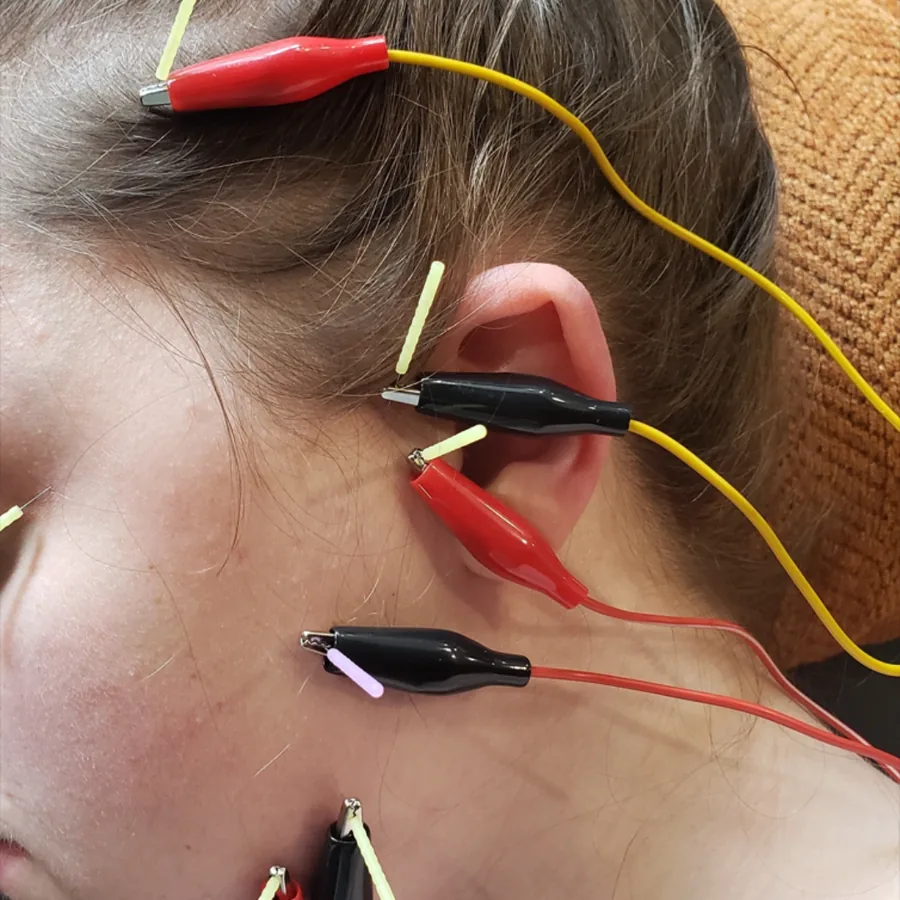
- Dry needling reaches the deep neck muscles hands cannot
- Jaw and TMJ involvement assessed, not ignored
- Works alongside your neurological care, never instead of it
The short version
Headaches & Migraines in 30 seconds
Migraine disorder affects your central nervous system, which includes your brain and spinal cord. Unlike medicine, osteopractic therapy does not address symptoms — it targets the muscles and joints affected by migraine disorder.
Where it starts
The upper neck joints, suboccipitals, upper trapezius and SCM refer pain into the head, temple, eye and jaw. Pain felt in the head — and at the back of the head in particular — very often comes from the cervical spine.
How we treat it
Dry needling into the trigger points at depth, cervical manipulation to restore movement, then deep neck flexor and thoracic work so it lasts.
What we do not claim
This does not replace neurological care for diagnosed migraine disorder. It addresses the musculoskeletal load feeding into it.
What treatment gets you
Why people come in for this
Someone finally examines your neck
In a great many long-running headache cases nobody ever has. The examination reproduces and eases your symptoms so you can feel the connection yourself.
Reaches what hands cannot
The suboccipitals sit under the upper trapezius — you cannot press one without pressing the other. A needle goes straight to the trigger point.
Fewer, less severe episodes
Reducing the mechanical load is, for many people, a meaningful part of how often and how badly things escalate.
Your desk gets assessed too
Nine hours with your head forward of your shoulders will keep producing the problem. We look at the actual workstation.
Straight talk about scope
Red-flag headaches get sent to a physician, not treated. Knowing the difference is part of the post-doctorate training.
A short, honest trial
You will know within a couple of visits whether this is your mechanism. If it is not, you will be told.
Does this sound like you?
Signs we hear most often
None of this is a diagnosis. It is a good reason to have the area properly examined rather than managed for another year.
Common signs
- Headache that starts at the base of the skull
- Pain that is worse after a long day at a screen
- One-sided head pain with a stiff neck on the same side
- Jaw clicking, clenching or TMJ pain alongside headaches
- Headaches that follow a neck injury or whiplash
- Tenderness in the muscles at the top of the neck
See a physician instead if
Seek urgent medical care for a sudden severe “worst ever” headache, headache with fever and a stiff neck, new neurological symptoms, headache after a head injury, or a headache pattern that has changed abruptly.
How we treat it
The tools we reach for
Dry Needling
Fine microfilament needles into the trigger point that is actually driving your pain — releasing knots ordinary hands-on work cannot reach.
Explore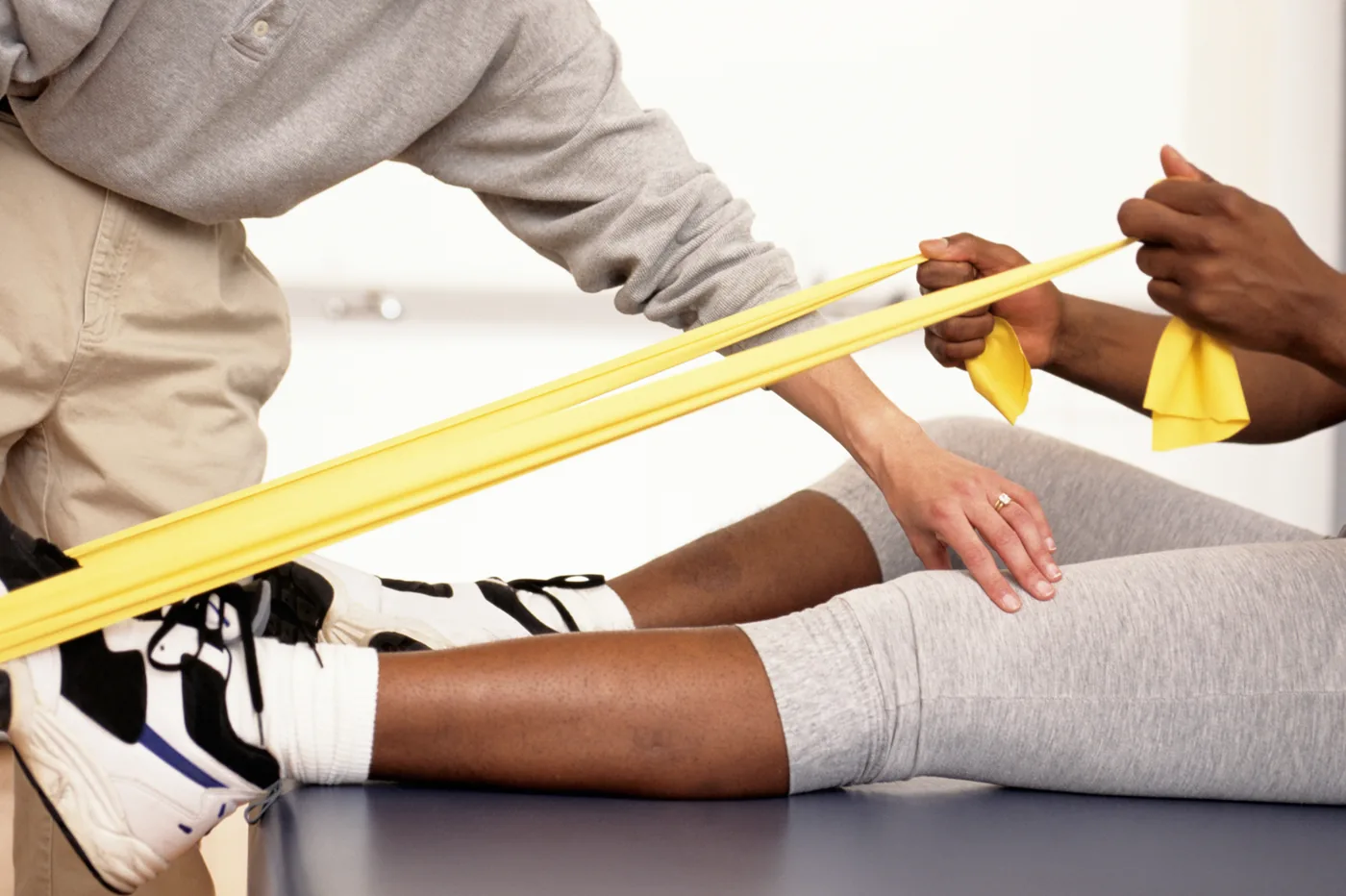
Spinal & Extremity Manipulation
A gentle, targeted thrust that restores movement to a specific joint — comfortable, controlled, and delivered inside your available range.
Explore
Dry Cupping
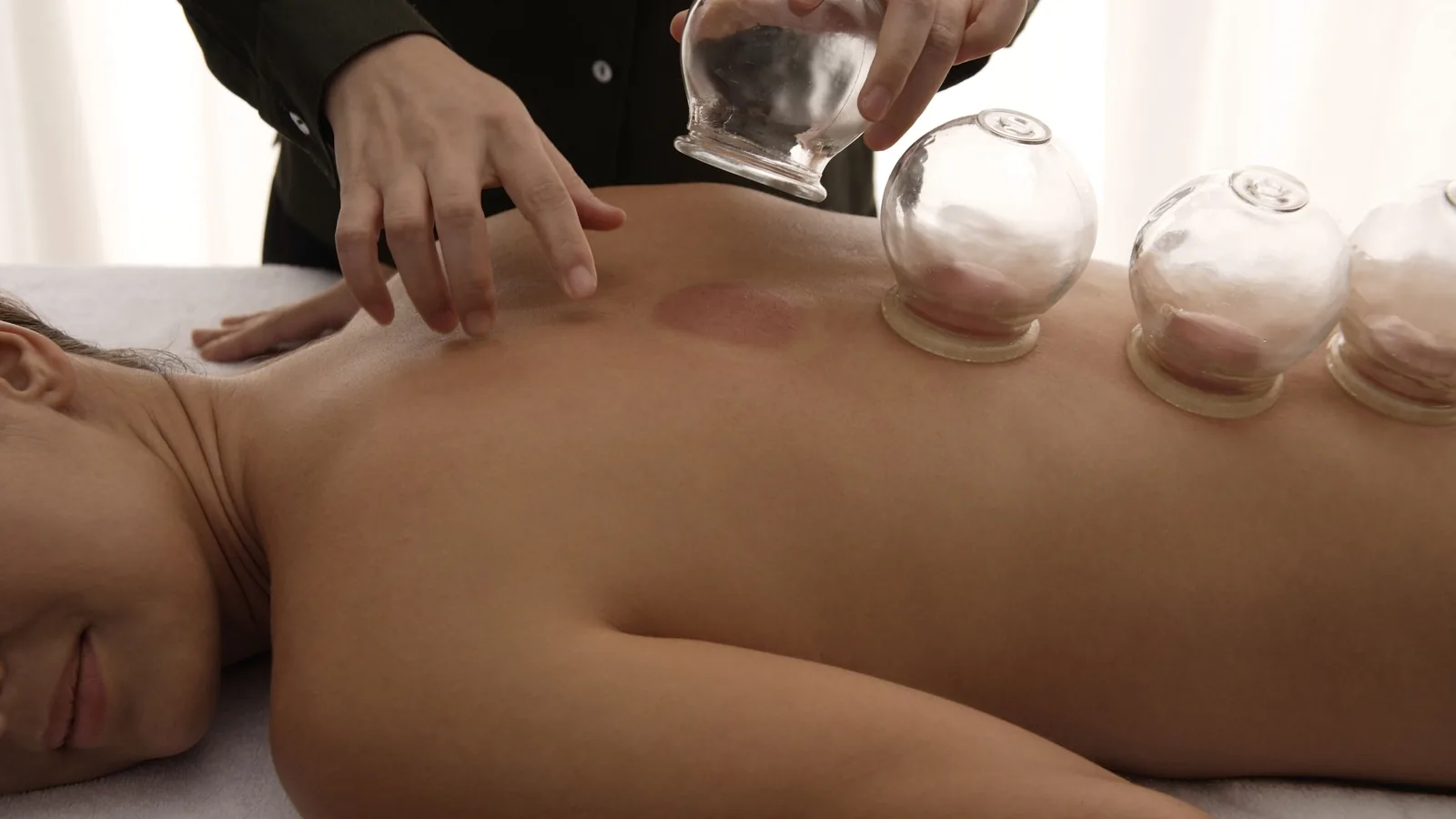
Suction that lifts skin, muscle and fascia — soft and deep tissue mobilization for areas that stay stiff no matter how much you stretch.
ExploreWhat to expect
First visit
History, a cervical and jaw examination that reproduces your pattern, and treatment in the same hour.
After treatment
Mild soreness in the treated muscles for a day is normal. Some people feel loose and heavy-headed for a few hours.
Over the plan
Frequency and intensity are tracked, and the loading and workstation work is what carries the change past the last visit.
Your first four steps
How it works
No referral needed, no waiting list to join, and nothing charged before you know this is the right fit.
Free discovery visit
We talk first. What is going on, what you have already tried, and whether this is genuinely the right approach for your problem. No charge, no obligation.
Full examination
A thorough neuro-musculoskeletal examination to find the root cause — including ruling out anything that should be seen by a physician instead.
Findings & plan
We go through what was found and what it means, then build an advanced treatment plan around the goals you actually came in with.
Treat, load, teach
Hands-on treatment, loaded movement, and the self-mobilization and exercise you need so the change holds between visits.
In depth
What is actually going on
Written for people who want the reasoning, not just the summary.
Where head pain often starts
A large share of recurring headaches are cervicogenic: they originate in the joints, muscles and nerves of the upper neck and refer pain into the head, temple, eye or jaw. The pain is felt in the head; the problem is not.
Trigger points in the suboccipital muscles, upper trapezius and sternocleidomastoid produce remarkably consistent referral patterns — which is why treating them can change a headache that has resisted everything else.
For people with diagnosed migraine disorder, this does not replace neurological care. It addresses the musculoskeletal load feeding into it, which for many people is a meaningful part of the picture.
Why dry needling comes up so often here
Dry needling works well for headaches, neck pain and migraines because it reaches trigger points in tissue that hands cannot get to at depth. Combined with cervical manipulation and posture and load coaching, it addresses the mechanical contributors directly.
TMJ and jaw involvement is common and frequently missed. If clenching is part of your pattern, it gets assessed rather than ignored.
Real Google reviews · Osteopractic Physical Therapy Dallas
Clients with the same problem
“Dr. Lockett changed my life! I went to him having 15-20 headaches/migraines a month to having only ONE in the past 6 weeks! He is extremely professional,…”
“After an exercise I had an excruciatingly painful headache which resulted from muscle injuries to my neck. That was four months ago. Over that time Dr. Lockett…”
“I started seeing Dr. Brent about a month ago for neck pain that was really interfering with my workouts and weightlifting routine. Within five minutes of my…”
Physical therapy FAQ · Dallas, TX
Headaches & Migraines: 10 questions answered
Can physical therapy really help a migraine?
It does not treat migraine disorder itself — that is neurological care. It treats the muscles and joints affected by it, and for many people that mechanical load is a genuine contributor to frequency and intensity.
Is needling near my head safe?
Dry needling of the neck and head region is performed under a Certified Dry Needling credential with the anatomical training that goes with it. You will be told exactly what is being treated and why.
How do I know if my headache comes from my neck?
The examination reproduces and eases your symptoms by loading and unloading specific neck structures. If that does not reproduce your headache, we look elsewhere rather than treating on a hunch.
How do I know my headache comes from my neck?
The examination reproduces and eases your symptoms by loading and unloading specific neck structures. If that does not reproduce something recognizably like your headache, we look elsewhere rather than treating on a hunch.
I already take medication. Is there any point?
Medication addresses the symptom. Osteopractic therapy addresses the muscles and joints contributing to it. For many people the two are complementary, and this is an addition to your care rather than a replacement for it.
Can my jaw be causing my headaches?
TMJ and clenching are common contributors and frequently missed. If clenching is part of your pattern it gets assessed rather than ignored.
Which muscles are usually involved?
The suboccipitals at the base of the skull, upper trapezius, and sternocleidomastoid are the usual suspects, along with restriction at the C1–C3 joints. Each refers pain into the head in patterns that are consistent from person to person.
Will treatment make my headache worse first?
Mild soreness in the treated muscles for a day is common, and occasionally a short-lived increase in symptoms. That is dose-dependent, so tell us how you responded and the next session is adjusted.
How many sessions before I know if this is working?
Most people have a clear sense within the first two or three visits, which is deliberately sooner than the four-to-eight visit plan. If nothing is changing, that is information and the plan changes with it.
Does posture actually matter?
Position held for hours matters more than any single “correct” posture. A neck that spends nine hours holding a head forward of the shoulders will keep producing the same problem regardless of what happens on the treatment table.

Dr. Brent Lockett
Dr. Lockett treats busy executives, professionals and athletes in chronic pain at the North Dallas clinic and across Dallas and the surrounding areas. He holds a Diploma in Osteopractic and is certified in dry needling, spinal manipulation and blood flow restriction therapy. Read his full background.
Written by Dr. Brent Lockett
Keep reading
Headaches That Start in Your Neck
You feel it behind your eye. The problem is often four inches lower, at the base of your skull.
Read the article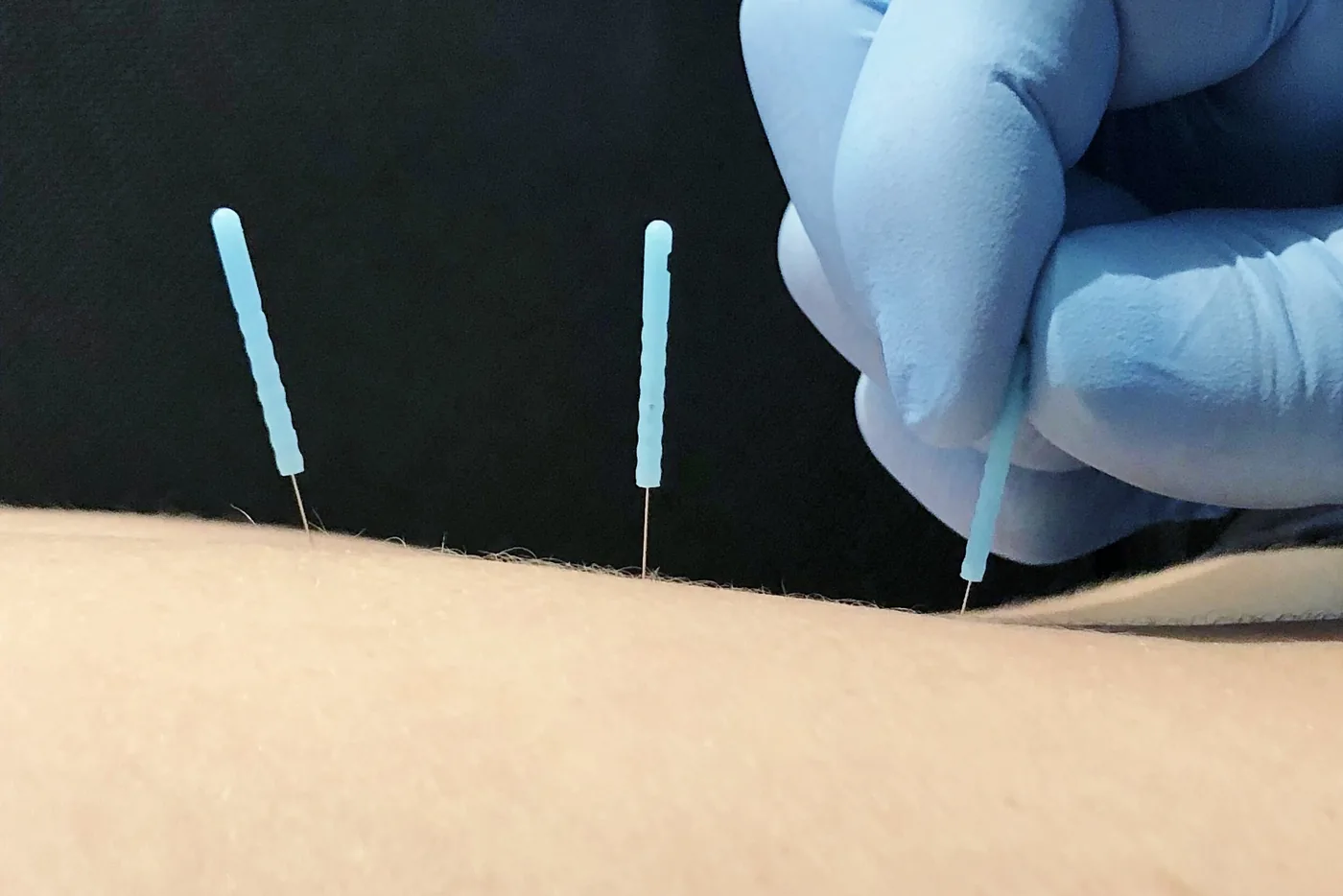
Dry Needling vs. Acupuncture: What's Actually Different
They use a similar needle. That is roughly where the similarity ends — and the difference decides whether the treatment finds your problem.
Read the articleAlso treated
Other conditions
Low Back Pain
The most common reason people call — and the one most often treated as a symptom rather than a pattern.
Read more
Runner's Knee
Rapidly becoming a more common issue every year — and, in most cases, preventable.
Read moreArthritis
Relief from the symptoms, plus better movement quality — so everyday activities get easier rather than smaller.
Read moreGet an honest answer about your headaches & migraines
The free discovery visit exists so you can find out whether this approach fits your problem before you spend anything.