
Condition · Physical therapy treatment in Dallas, TXPlantar Fasciitis
Get the first steps of the morning back. We build the calf and foot capacity that stops the tissue being overloaded every single day.
- Dry needling reaches the calf and foot muscles driving it
- Load is modified, not removed — rest alone loses capacity
- Treated at the clinic or at your home, office or gym
The short version
Plantar Fasciitis in 30 seconds
Plantar fasciitis is a load problem in a tissue that has lost tolerance, not an inflammation you wait out. That is why rest alone keeps failing.
What it actually is
Degeneration and sensitivity in the plantar fascia where it attaches at the heel — a tissue asked for more than it can currently tolerate.
Why the calf matters
The calf complex and the fascia share a mechanical chain. A calf that fatigues early hands the load straight to the heel on every step.
Why it drags on
It settles overnight and gets re-loaded every morning. Without building tolerance, that cycle simply repeats.
What treatment gets you
Why people come in for this
The morning steps change first
That first-step pain is the marker most people track, and it is usually the one that shifts earliest once load is managed properly.
Reaches the tissue hands cannot
Trigger points deep in the calf and the small foot muscles respond to dry needling in a way that rolling a ball under the arch never will.
Capacity, not rest
Heel raises, foot intrinsics and progressive loading build the tolerance that stops the fascia being overloaded. Rest removes exactly that.
Your walking and running load gets managed
Volume, surfaces and footwear are looked at as a dose problem rather than a shopping problem.
Assessed where you actually stand
Kitchen floors, work boots, the treadmill in the garage. Sessions happen where the loading really occurs.
Honest about the outliers
Heel pain that is not plantar fasciitis — a stress fracture, a nerve entrapment, an inflammatory cause — gets named, not treated as fasciitis.
Does this sound like you?
Signs we hear most often
None of this is a diagnosis. It is a good reason to have the area properly examined rather than managed for another year.
Common signs
- Sharp heel pain on the first steps in the morning
- Pain that eases as you warm up, then returns later in the day
- Worse after standing all day or after a long drive
- Tender to press at the inside front of the heel bone
- Started within weeks of a jump in walking or running volume
- Tight, easily fatigued calves
See a physician instead if
See a physician for heel pain after a fall or a sudden pop, pain with numbness or pins and needles in the foot, a hot or red heel, or pain that is severe at rest and through the night.
How we treat it
The tools we reach for
Dry Needling
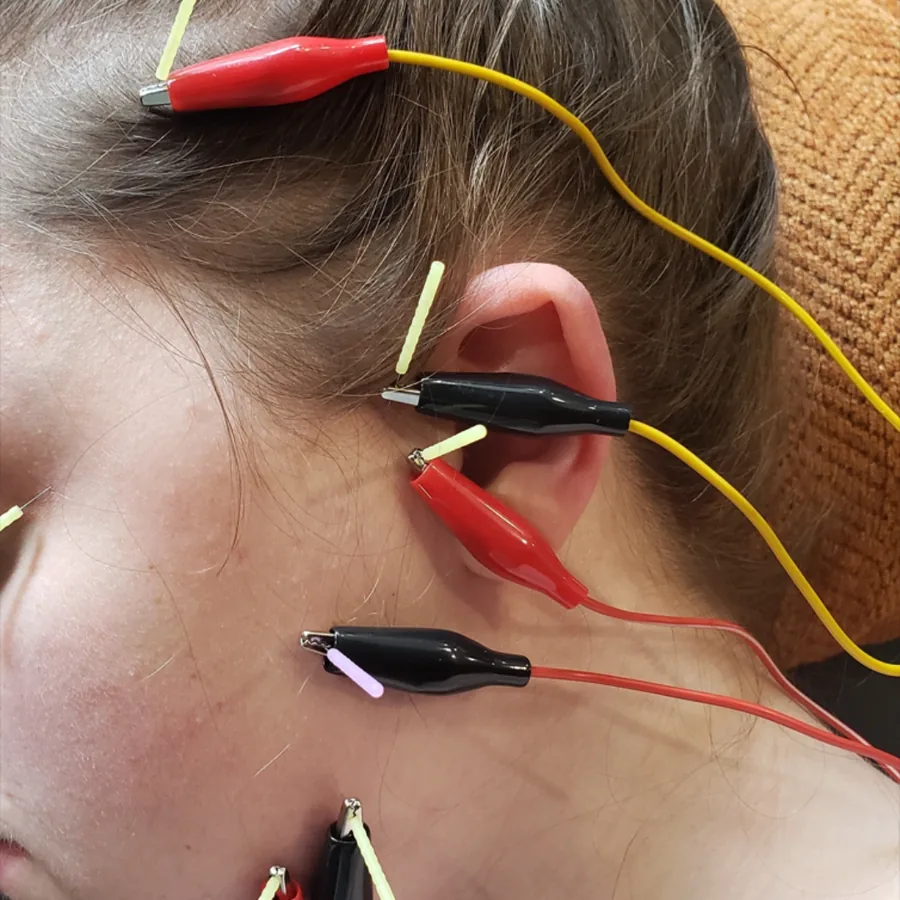
Fine microfilament needles into the trigger point that is actually driving your pain — releasing knots ordinary hands-on work cannot reach.
Explore
Sports Performance Therapy
Athletes cannot afford to wait for pain. A full-body evaluation that finds the compensation before it becomes an injury.
Explore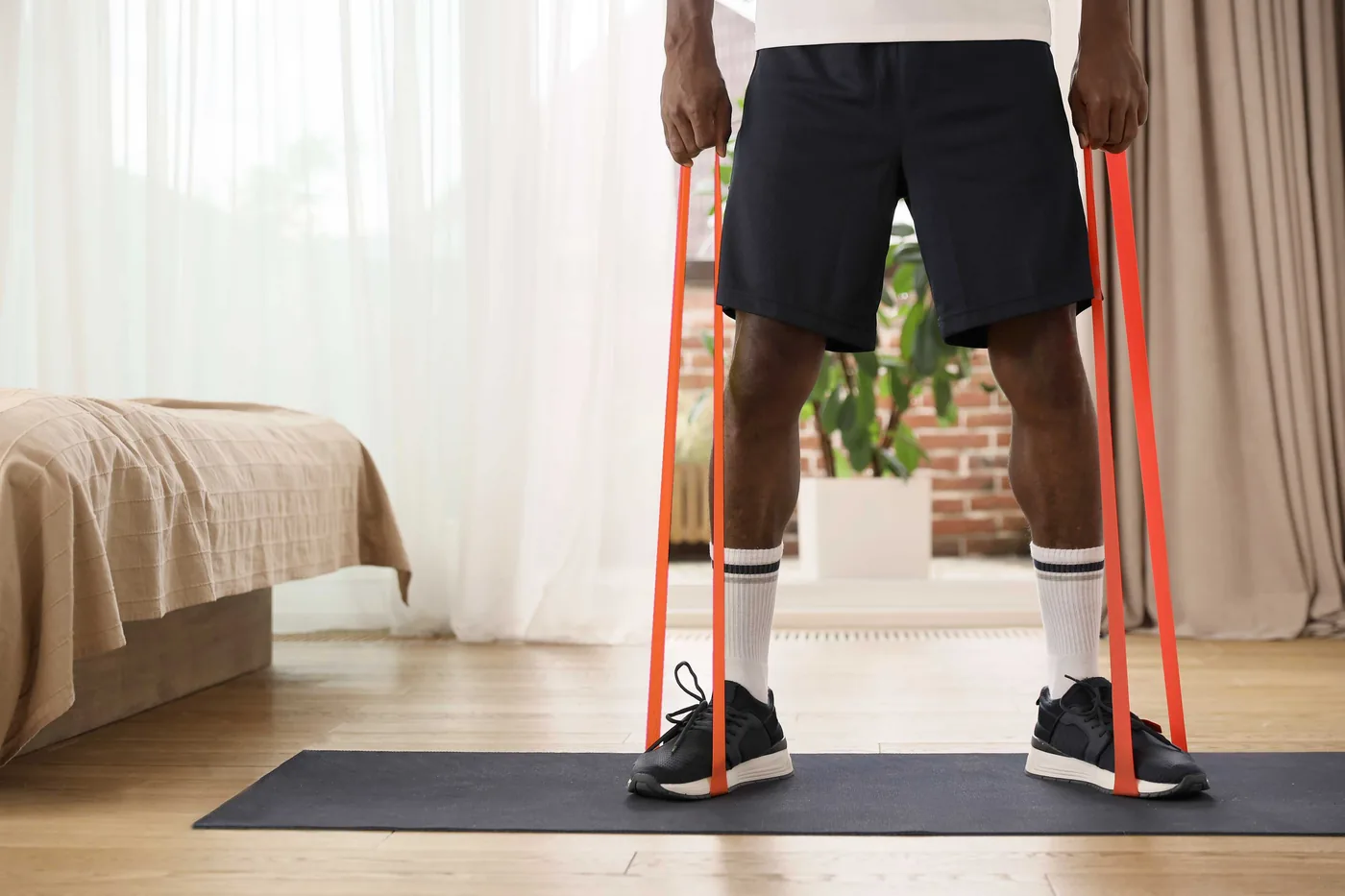
Mobile Physical Therapy
One-on-one physical therapy delivered to your home, office or gym across Dallas — a full hour, every hour, with the same therapist.
ExploreWhat to expect
First visit
A full lower-limb examination — calf capacity, foot control, ankle range and your actual weekly load — then hands-on treatment in the same hour.
First two weeks
Load is modified rather than stopped, needling and manual work settle the tissue, and the calf work starts.
Later
Loading progresses toward the walking, standing or running volume you actually need, so the tolerance holds.
Your first four steps
How it works
No referral needed, no waiting list to join, and nothing charged before you know this is the right fit.
Free discovery visit
We talk first. What is going on, what you have already tried, and whether this is genuinely the right approach for your problem. No charge, no obligation.
Full examination
A thorough neuro-musculoskeletal examination to find the root cause — including ruling out anything that should be seen by a physician instead.
Findings & plan
We go through what was found and what it means, then build an advanced treatment plan around the goals you actually came in with.
Treat, load, teach
Hands-on treatment, loaded movement, and the self-mobilization and exercise you need so the change holds between visits.
In depth
What is actually going on
Written for people who want the reasoning, not just the summary.
It is not inflammation you wait out
The name suggests inflammation, and for a long time that is how it was treated: rest, ice, anti-inflammatories, wait. That model explains why so many people have had heel pain for a year.
What is usually going on is degenerative change and sensitivity in a tissue that has been loaded beyond what it can currently tolerate. The fascia is not angry at you; it is under-built for the job it is being given.
That distinction matters because it changes the treatment entirely. If the problem is capacity, the answer is graded load, not the absence of load.
Why your calf is on the treatment table
The calf complex and the plantar fascia work as a chain through the heel. When the calf fatigues early, more of every step's load arrives at the fascia, and it arrives thousands of times a day.
So a plantar fasciitis assessment here always includes calf capacity. If you cannot produce a meaningful number of quality single-leg heel raises, that is not a detail — it is very often the reason the heel keeps flaring.
Foot intrinsic strength, ankle dorsiflexion range and hip control all feed into the same picture. Treating the heel in isolation is why the heel keeps coming back.
Where dry needling fits
Dry needling works well for plantar fasciitis because the tissue driving the symptoms is frequently deeper than hands can usefully reach. Trigger points in the calf and in the small muscles of the foot refer pain into the heel and arch in patterns that are consistent from person to person.
Needling opens a window: tension drops and range improves. What decides whether the change lasts is the loading that follows in the same session, which is why it is never the whole appointment.
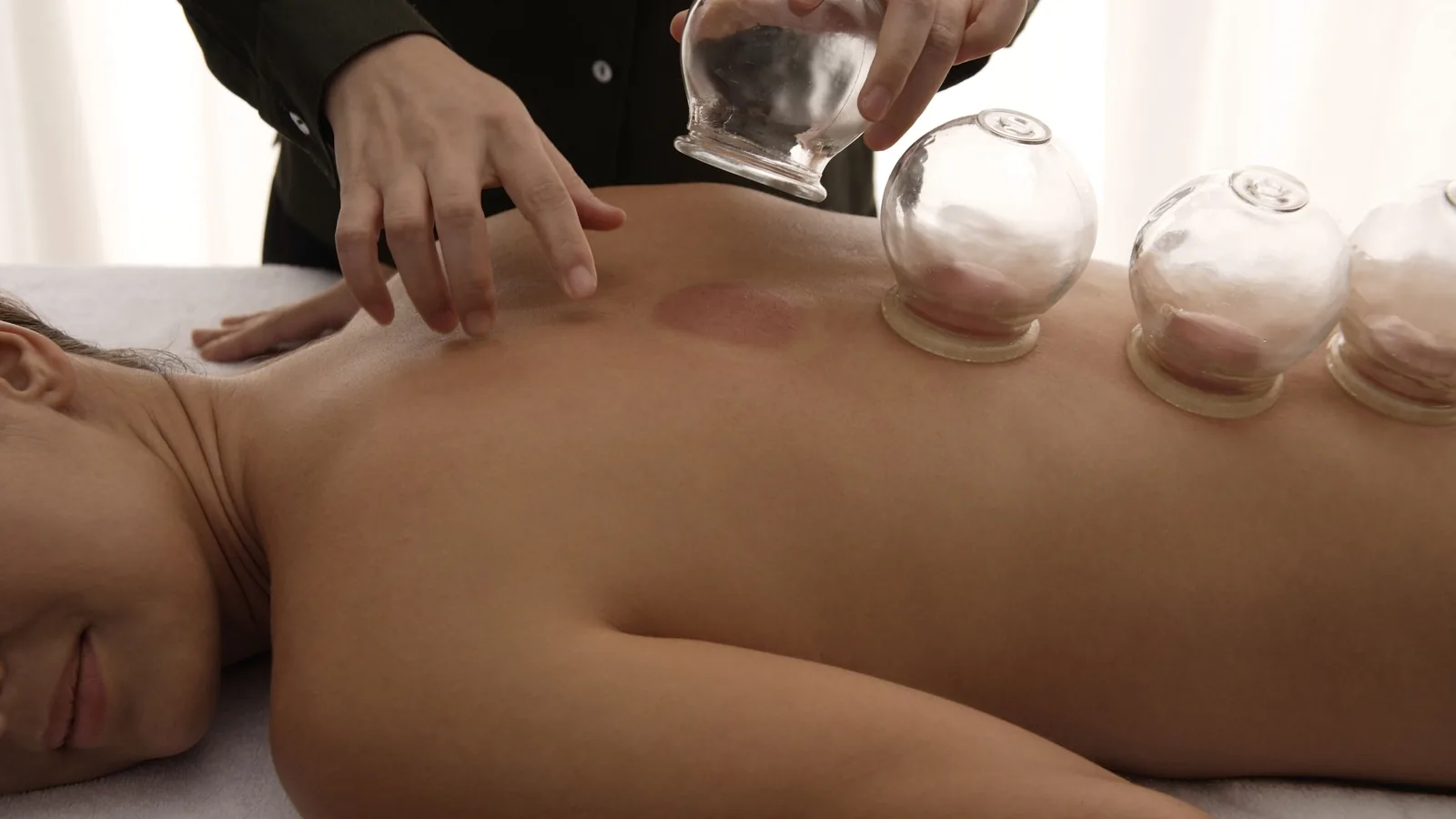
Cupping and instrument-assisted work along the calf serve the same purpose from the other direction, and are used where a needle is not the right tool or not wanted.
What about orthotics, night splints and shoes
All three can help symptoms, and none of them build capacity. They change how load is distributed; they do not change how much load the tissue can take.
Used as a bridge while strength work is happening, they are useful. Used as the whole plan, they are why heel pain returns the moment they come out.
Footwear is worth a conversation rather than a prescription. A sudden change in drop or cushioning is a load change, and load changes are what set this off in the first place.
Real Google reviews · Osteopractic Physical Therapy Dallas
Clients with the same problem
“I’ve been dealing with hip pain for years and honestly thought it was just something I’d have to live with. After working with this PT, I’m finally running completely pain-free for the first time in years. Not only did they get rid of my…”
“I'm so grateful I was referred to Dr. Lockett, as his guidance and expertise really turned my situation around for the better. After seven knee surgeries I was quite weak and my functional capacity had never been lower; within weeks of…”
“I'm so glad I found Brent!!! I was having some serious back pain and after just a few sessions it was already feeling better. He's super knowledgable and I'm very thankful for him!”
Physical therapy FAQ · Dallas, TX
Plantar Fasciitis: 12 questions answered
Why is it worst first thing in the morning?
The fascia shortens and settles overnight, and the first steps load it abruptly from that position. It is the most recognizable feature of plantar fasciitis and usually the first thing to change as tolerance improves.
Do I have a heel spur, and does it matter?
Heel spurs are common in people with no pain at all, and plenty of painful heels have no spur. It is rarely the thing causing your symptoms, so it rarely changes the plan.
Should I stop walking or running?
Almost never entirely. Load is modified — volume, surface, speed — because complete rest removes the capacity you are trying to build.
Does dry needling help plantar fasciitis?
It is one of the conditions dry needling is most often used for here. It reaches trigger points in the calf and foot that refer into the heel, and the change in range is usually immediate.
How long does it take?
The typical client is seen one to two visits a week, and the plan runs until the result holds. Long-standing heel pain often needs the loading program to continue beyond the last visit, and you will leave knowing exactly what that is.
Do I need an ultrasound or an X-ray?
Usually not. Imaging is requested when the history or the examination suggests something other than plantar fasciitis, not as a routine step.
Are orthotics worth it?
They can reduce symptoms while you build capacity. They are a bridge, not a plan, and they do not make the tissue stronger.
Should I be rolling a ball under my foot?
It can feel good and it does no harm. It is not loading, though, so on its own it will not change tolerance.
Why did it start when nothing changed?
Something almost always changed — a new job on your feet, a holiday of walking, a return to running, new shoes, a change in training surface. Bring the last three months to the first appointment and the pattern usually appears.
Can you treat me at home for this?
Yes, and it helps. Seeing the floors you stand on, the shoes you actually wear and the equipment you own makes the program fit your life rather than a clinic.
Is it the same as heel spur syndrome?
The terms get used interchangeably, but the spur is a finding, not the mechanism. The examination is what establishes what is actually driving your pain.
What if both heels hurt?
Bilateral heel pain is worth a closer look, because it can point to a systemic or inflammatory cause rather than a load one. You will be told if the picture suggests that.

Dr. Brent Lockett
Dr. Lockett treats busy executives, professionals and athletes in chronic pain at the North Dallas clinic and across Dallas and the surrounding areas. He holds a Diploma in Osteopractic and is certified in dry needling, spinal manipulation and blood flow restriction therapy. Read his full background.
Written by Dr. Brent Lockett
Keep reading
Runner's Knee Is Preventable — Here's What Predicts It
It is a load problem, not a damage problem — which is exactly why it can be seen coming.
Read the article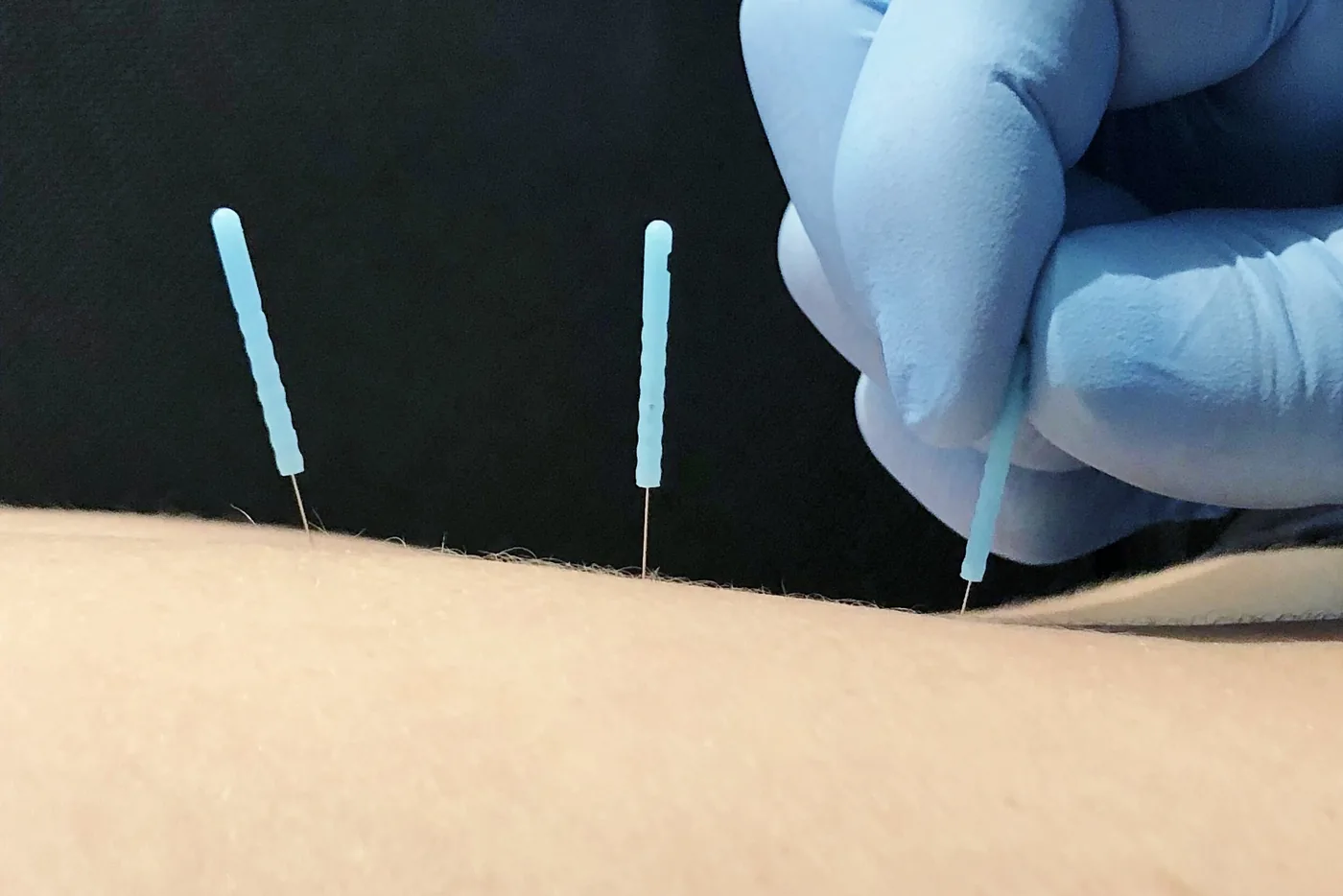
Dry Needling vs. Acupuncture: What's Actually Different
They use a similar needle. That is roughly where the similarity ends — and the difference decides whether the treatment finds your problem.
Read the articleAlso treated
Other conditions
Low Back Pain
The most common reason people call — and the one most often treated as a symptom rather than a pattern.
Read moreHeadaches & Migraines
Migraine disorder affects the central nervous system. Osteopractic therapy targets the muscles and joints caught up in it.
Read moreRunner's Knee
Rapidly becoming a more common issue every year — and, in most cases, preventable.
Read moreGet an honest answer about your plantar fasciitis
The free discovery visit exists so you can find out whether this approach fits your problem before you spend anything.