
Condition · Physical therapy treatment in Dallas, TXShin Splints
Keep training. We manage the load, build the calf capacity behind it, and make sure it is shin splints rather than something that needs imaging.
- Screened against stress fracture before anything else
- Most athletes keep training with a modified load
- BFR builds calf strength when impact is limited

The short version
Shin Splints in 30 seconds
Shin splints follow a training spike almost every time. That makes them treatable — and, next season, preventable.
What it is
Medial tibial stress syndrome — pain along the inner shin where muscle and bone are being asked to absorb more than they have adapted to.
What it is not
A stress fracture, compartment syndrome or a nerve problem. Those feel similar early on and are checked for first, because the plans are different.
What changes it
Load management plus calf and foot capacity. Where impact has to come down, blood flow restriction keeps the strength work going.
What treatment gets you
Why people come in for this
The serious causes are ruled out first
Differential diagnosis is part of the post-doctorate osteopractic training. A stress fracture treated as shin splints gets worse, and you will be sent for imaging if the picture calls for it.
You do not lose the block
Volume, surface and speed are adjusted so training continues. Complete rest de-trains the exact tissue that needs to adapt.
Strength without pounding the shin
Blood flow restriction lets you build real calf strength at loads the shin can tolerate while impact is reduced.
The calf gets treated properly
Dry needling and cupping into the deep posterior calf change tissue tension that stretching alone does not reach.
The cause gets named
A spike in mileage, a change of surface, worn shoes, a cadence problem. You finish knowing which one was yours.
Tested where you train
Sessions happen at your gym or on your route, so the movement being assessed is the movement that hurts.
Does this sound like you?
Signs we hear most often
None of this is a diagnosis. It is a good reason to have the area properly examined rather than managed for another year.
Common signs
- Aching along the inner edge of the shin bone
- Sore at the start of a run, easing, then returning afterwards
- Tender over a broad area rather than one small point
- Started within weeks of more mileage, hills or speed work
- Worse on hard surfaces or in worn shoes
- Tight, fatigued calves after training
See a physician instead if
See a physician promptly for shin pain that is sharp and pinpoint on the bone, pain at rest or at night, pain that worsens week on week despite reduced load, or a shin that becomes swollen, numb or unusually tight during exercise.
How we treat it
The tools we reach for

Sports Performance Therapy
Athletes cannot afford to wait for pain. A full-body evaluation that finds the compensation before it becomes an injury.
Explore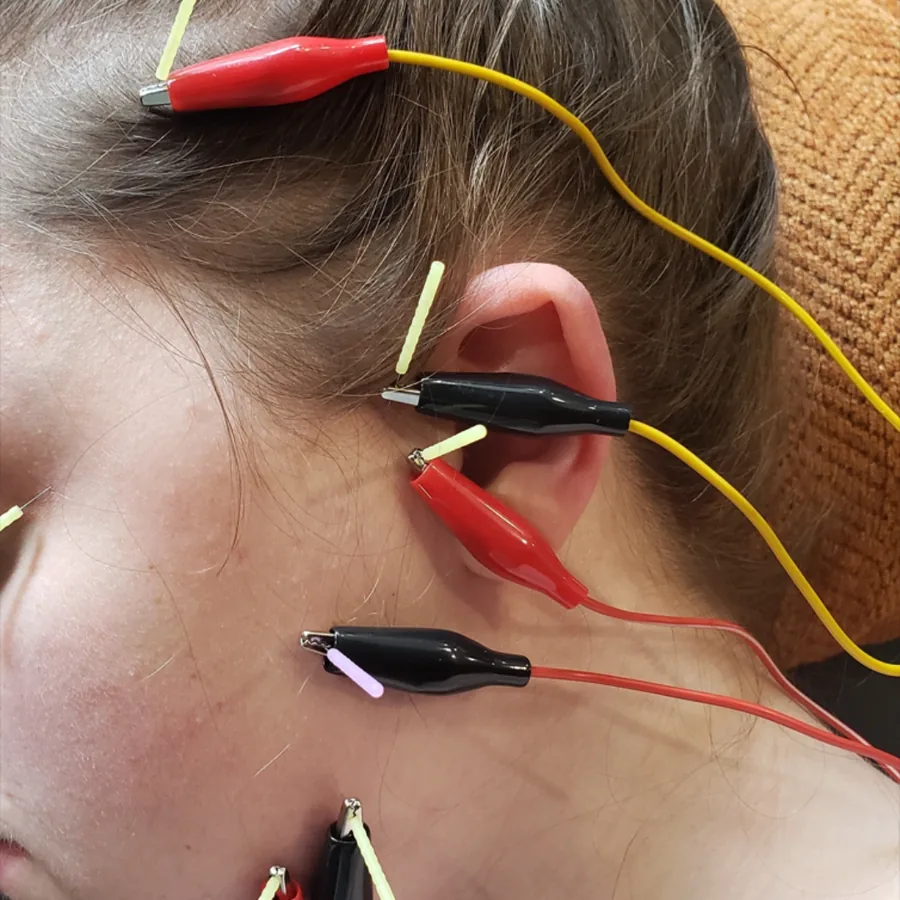
Dry Needling
Fine microfilament needles into the trigger point that is actually driving your pain — releasing knots ordinary hands-on work cannot reach.
Explore
Blood Flow Restriction Therapy
Build strength and muscle size at light loads — one of the few practices in the Dallas area offering certified BFR inside a rehab plan.
ExploreWhat to expect
First visit
History of the training block, a full lower-limb examination, and a clear answer on whether this looks like shin splints or something that needs imaging.
First two weeks
Load comes down rather than stops. Manual work and needling settle the calf; strength work begins.
Returning
Volume and intensity are rebuilt deliberately, because the comeback block is where this recurs.
Your first four steps
How it works
No referral needed, no waiting list to join, and nothing charged before you know this is the right fit.
Free discovery visit
We talk first. What is going on, what you have already tried, and whether this is genuinely the right approach for your problem. No charge, no obligation.
Full examination
A thorough neuro-musculoskeletal examination to find the root cause — including ruling out anything that should be seen by a physician instead.
Findings & plan
We go through what was found and what it means, then build an advanced treatment plan around the goals you actually came in with.
Treat, load, teach
Hands-on treatment, loaded movement, and the self-mobilization and exercise you need so the change holds between visits.
In depth
What is actually going on
Written for people who want the reasoning, not just the summary.
Why it is nearly always a spike
Medial tibial stress syndrome is a tissue-tolerance problem. Bone and muscle adapt to load, but slowly, and they adapt to the load they have been given — not the load a race entry decided on.
Almost every case traces back to a change in the previous three to six weeks: more mileage, more hills, faster work, a new surface, a return after time off, or a change of shoe. Two of those at once is the classic setup.
That is good news, because a cause you can name is a cause you can manage. It also means the same conversation prevents it next pre-season.
Ruling out the things that are not shin splints
Three problems present similarly and need different handling. A tibial stress fracture is pinpoint on the bone, hurts at rest and gets worse despite reduced load. Chronic exertional compartment syndrome brings tightness, numbness or foot drop that comes on at a predictable point in a run and settles with rest. A nerve entrapment produces its own pattern.
Screening for these comes before treatment, not after it fails. Where the history or examination points that way, you will be sent for imaging or to a physician rather than treated here.
What actually gets treated
Load first: volume, surface, gradient and speed become a dose you can control rather than a habit that controls you.
Then capacity. Calf endurance is the single most commonly under-built quality in athletes with shin splints. Foot intrinsic strength and hip control matter too, because the shin absorbs whatever the chain above and below does not.
Where impact has to be reduced for a few weeks, blood flow restriction keeps genuine strength adaptation going at loads the shin tolerates. That is the difference between coming back stronger and coming back where you left off.
Getting back without repeating it
The comeback is where shin splints are usually recreated. Pain settles, training resumes at the old volume, and the tissue — which has spent three weeks de-training — is handed the same load that broke it.
A deliberate progression, with a marker you track, avoids that. Most runners use the distance at which symptoms begin; when that number climbs consistently, the load is right.
Cadence is worth checking as well. Overstriding raises impact at the shin, and small changes here often produce a larger symptom change than people expect.
Real Google reviews · Osteopractic Physical Therapy Dallas
Clients with the same problem
“I’ve been dealing with hip pain for years and honestly thought it was just something I’d have to live with. After working with this PT, I’m finally running completely pain-free for the first time in years. Not only did they get rid of my…”
“I'm so grateful I was referred to Dr. Lockett, as his guidance and expertise really turned my situation around for the better. After seven knee surgeries I was quite weak and my functional capacity had never been lower; within weeks of…”
“I'm so glad I found Brent!!! I was having some serious back pain and after just a few sessions it was already feeling better. He's super knowledgable and I'm very thankful for him!”
Physical therapy FAQ · Dallas, TX
Shin Splints: 12 questions answered
How do I know it is not a stress fracture?
Broadly: shin splints are tender over a wide area and ease as you warm up; a stress fracture is pinpoint on the bone, often hurts at rest and gets worse despite backing off. That is a guide, not a diagnosis — the examination settles it, and imaging is arranged if it should be.
Do I have to stop running?
Usually not. Volume, surface and speed come down while capacity goes up. Complete rest costs you the adaptation you are trying to build.
How long do shin splints take to settle?
Shin splints settle over weeks rather than days, with training continuing in modified form. Long-standing cases take longer, and you will get an honest estimate after the examination.
Will new shoes fix it?
Occasionally shoes are a factor, rarely the cause. Worth reviewing — but a sudden shoe change is itself a load change, so switching mid-flare can make things worse.
Does dry needling help?
Yes, particularly into the deep posterior calf, where tension contributes and where hands cannot get to depth without compressing everything above.
Why do they come back every season?
Because the load spike repeats every pre-season and the calf capacity was never built. Break one of those two and the pattern breaks.
Is stretching enough?
No. Stretching changes how the calf feels; loading changes what it can take. Only the second one prevents recurrence.
Can I still lift while this settles?
Usually yes, with impact and heavy calf loading adjusted. Tell us what is in your program and it gets planned around.
What is BFR doing for shin splints?
Building calf and lower-limb strength at light loads during the weeks when impact has to be reduced — so the tissue comes back stronger rather than weaker.
Should I run on grass instead of pavement?
Changing surface changes the load, which can help — but any abrupt change is itself a spike. Change one variable at a time.
Do compression sleeves work?
Some people find them comfortable. They do not build capacity, so they are a comfort measure rather than treatment.
I am not a runner and I have this. Is that normal?
Yes. Court sports, dance, military training and any job with a sudden increase in walking or standing produce the same picture.

Dr. Brent Lockett
Dr. Lockett treats busy executives, professionals and athletes in chronic pain at the North Dallas clinic and across Dallas and the surrounding areas. He holds a Diploma in Osteopractic and is certified in dry needling, spinal manipulation and blood flow restriction therapy. Read his full background.
Written by Dr. Brent Lockett
Keep reading
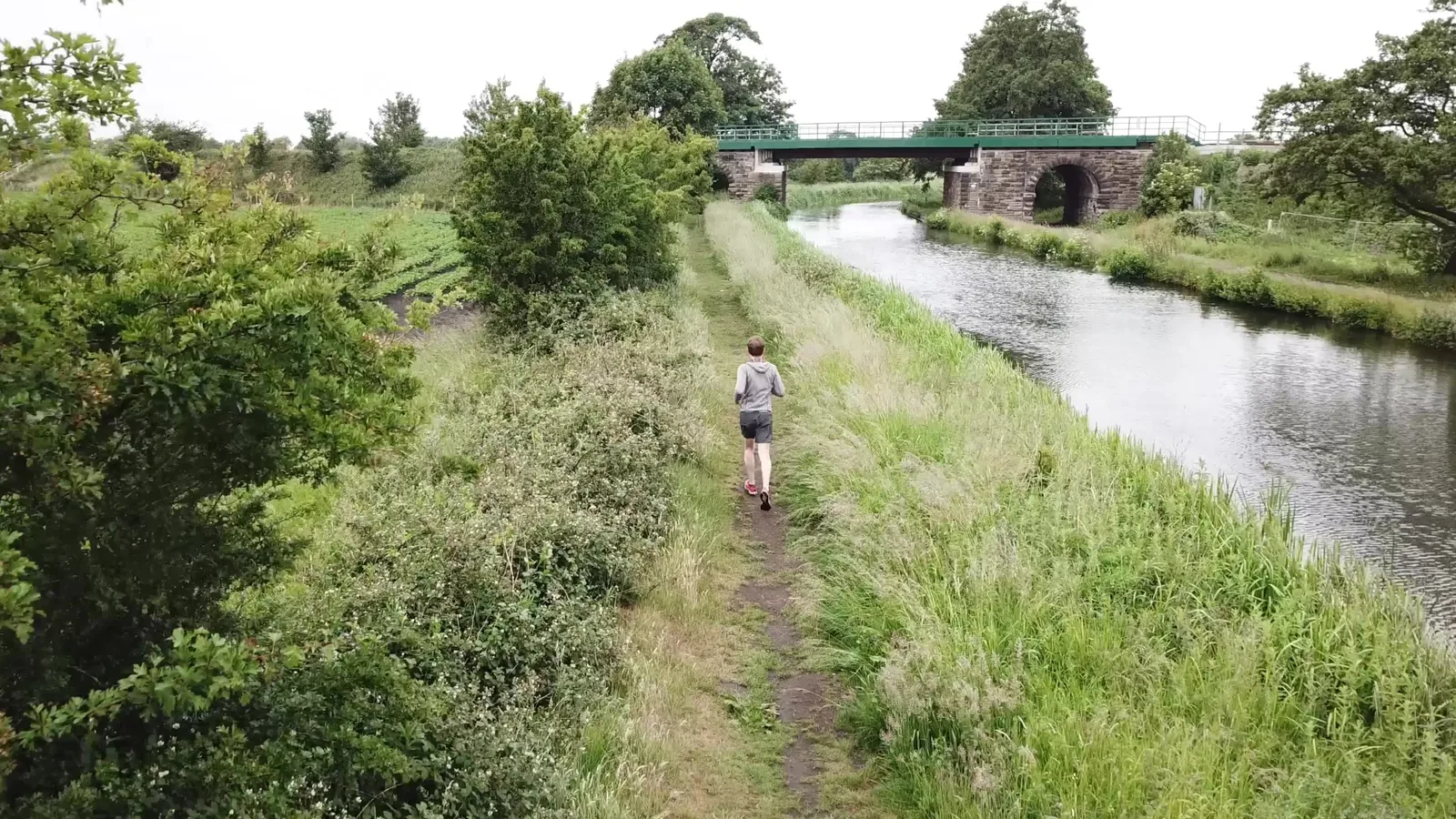
Runner's Knee Is Preventable — Here's What Predicts It
It is a load problem, not a damage problem — which is exactly why it can be seen coming.
Read the article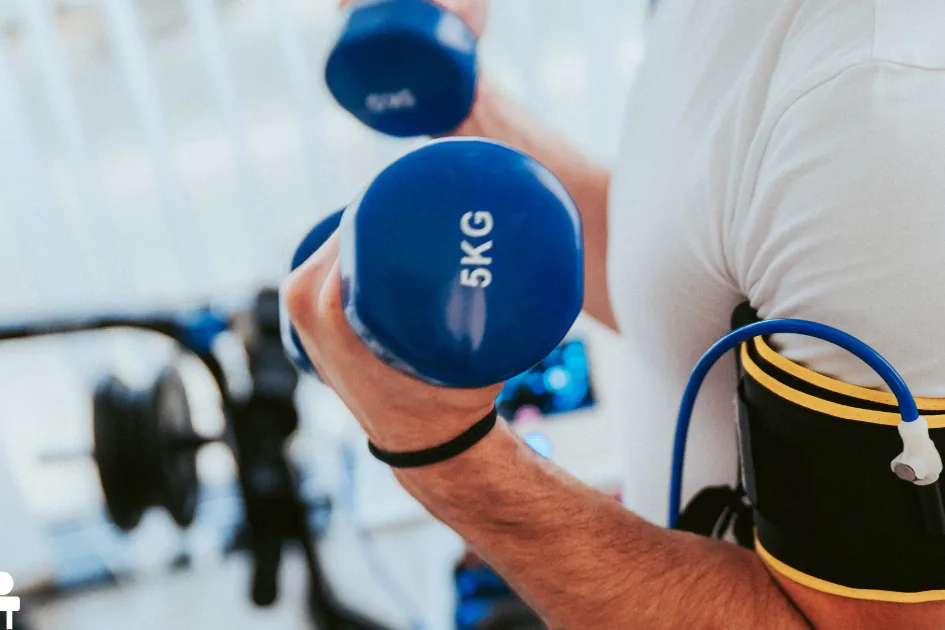
Blood Flow Restriction: Build Strength Without Heavy Loads
The rehab bind is simple: strengthening needs load, and load is what flares the joint. BFR is how you get out of it.
Read the articleAlso treated
Other conditions
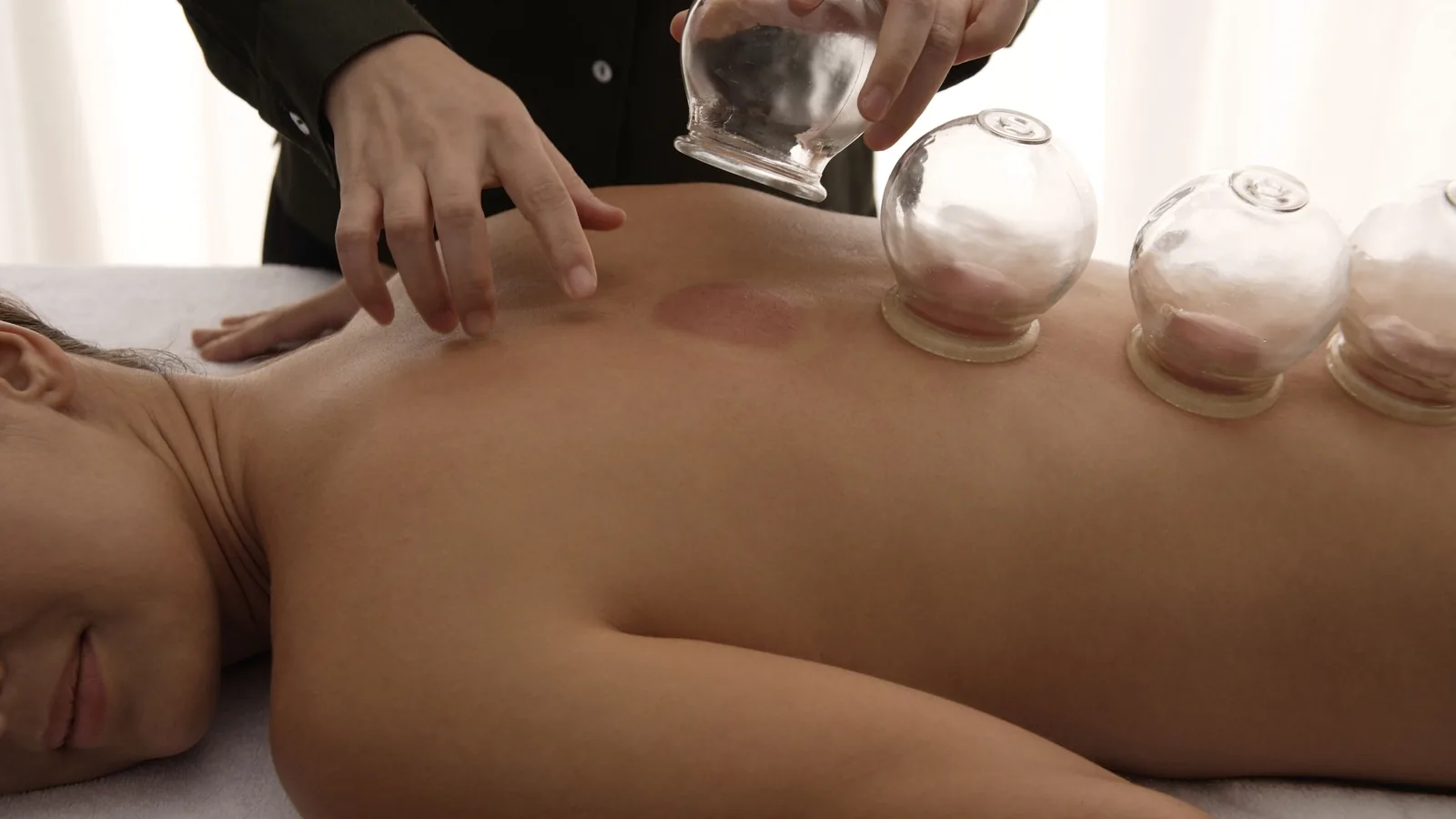
Low Back Pain
The most common reason people call — and the one most often treated as a symptom rather than a pattern.
Read moreHeadaches & Migraines
Migraine disorder affects the central nervous system. Osteopractic therapy targets the muscles and joints caught up in it.
Read moreRunner's Knee
Rapidly becoming a more common issue every year — and, in most cases, preventable.
Read moreGet an honest answer about your shin splints
The free discovery visit exists so you can find out whether this approach fits your problem before you spend anything.