The short answer
Telehealth physical therapy works well for movement coaching, program progression, load management and follow-up between hands-on visits, because those depend on watching you move and talking through what you are doing. It cannot replace hands-on assessment, manipulation, needling or anything requiring palpation.
- Watching movement, progressing a program and managing training load all work well over video — sometimes better, because you are in your own space.
- Palpation, manipulation, needling and cupping cannot be done remotely, and no amount of camera quality changes that.
- The strongest pattern is hands-on visits to change the tissue and telehealth between them to make sure the change gets used.
- Licensure is state-based: sessions require you to be in Texas at the time.
Telehealth in physical therapy arrived in a hurry and got oversold in both directions — as a full replacement for in-person care by people selling it, and as worthless by people who had never tried it. The useful version is neither. It is a good tool for a specific set of jobs.
What a video call is genuinely good at
Watching you move is most of an examination. Squat, step down, reach overhead, hinge, balance on one leg: all of that transmits perfectly well over video, and in some cases better than in a clinic, because you are in your own space, in your own shoes, on your own floor.
Program progression is the strongest use. Most of the change in a rehabilitation plan comes from what you do between appointments, and adjusting that requires seeing your technique and hearing what happened, not touching you.
Load management is the same. Deciding whether this week’s mileage goes up or holds is a conversation about numbers and symptoms. It does not need a table.
What it cannot do, and I will not pretend otherwise
Palpation is the obvious one. Finding a taut band, feeling how a joint moves through its range, assessing end-feel, testing accessory motion — none of that survives a camera. Any assessment that depends on hands is not available.
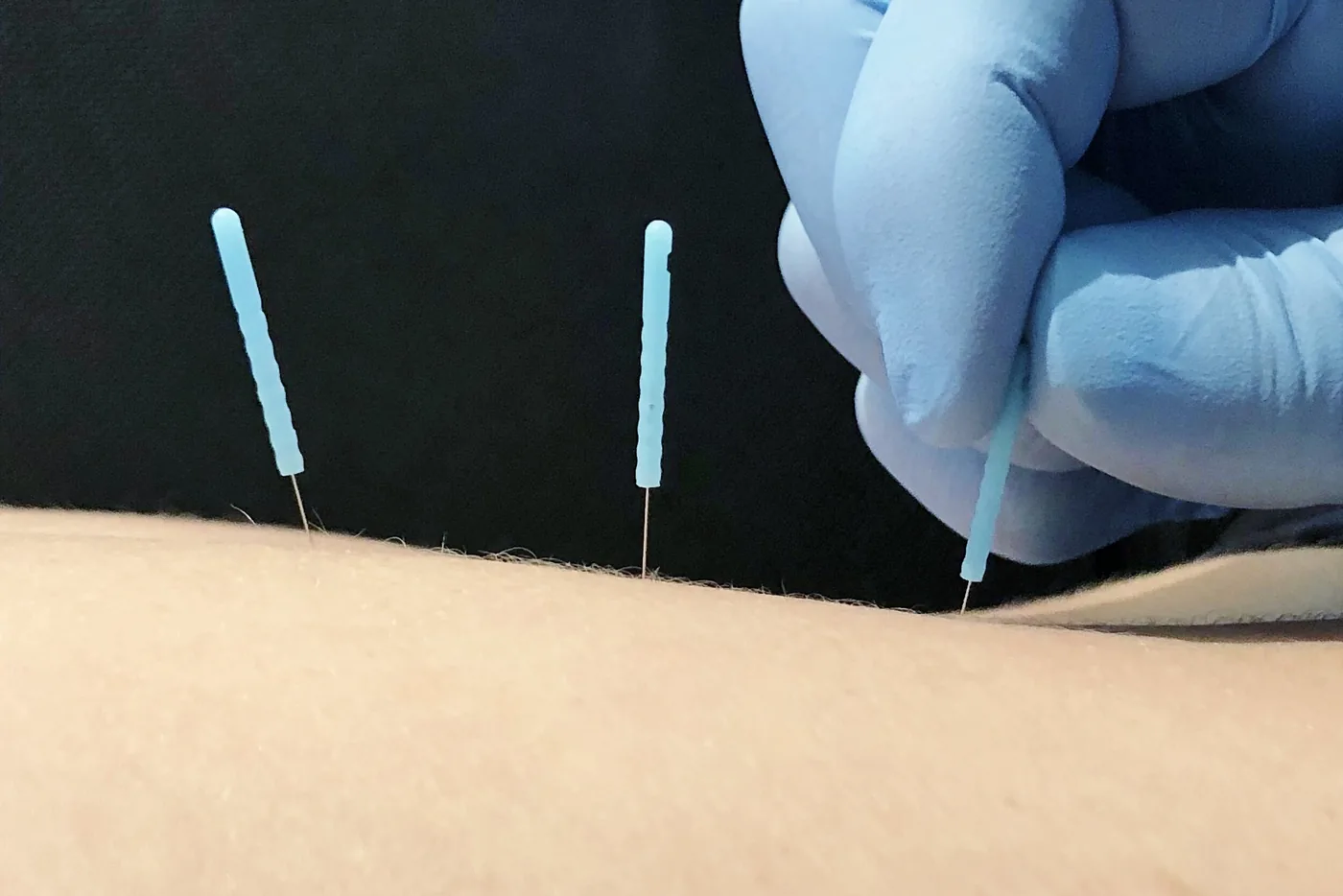
Neither are the techniques. Manipulation, dry needling, cupping and instrument-assisted work all require someone in the room. If those are the tools your problem needs, telehealth is a way to support them, not to substitute for them.
Certain examinations should not be attempted remotely at all. Anything where a serious cause needs excluding — unexplained neurological signs, suspected fracture, symptoms suggesting something outside musculoskeletal medicine — needs to be seen, and usually by a physician rather than by me.
Where it fits best in a plan
The pattern that works: hands-on visits to change the tissue, telehealth between them to change what you are doing. The in-person session buys the window; the video call makes sure the window gets used.
It also works well for people who travel. A plan that survives three weeks away is a plan that keeps getting adjusted, and a fifteen-minute call from a hotel room does that.
And it is genuinely useful for the first conversation. Whether your problem sounds like something we can help with, whether it needs a physician first, roughly what a plan would involve — none of that requires you to drive anywhere.
What makes a virtual session work or fail
Camera position decides most of it. Full body in frame, phone propped rather than held, from the side as well as the front. Two minutes of setup is the difference between a useful session and a frustrating one.
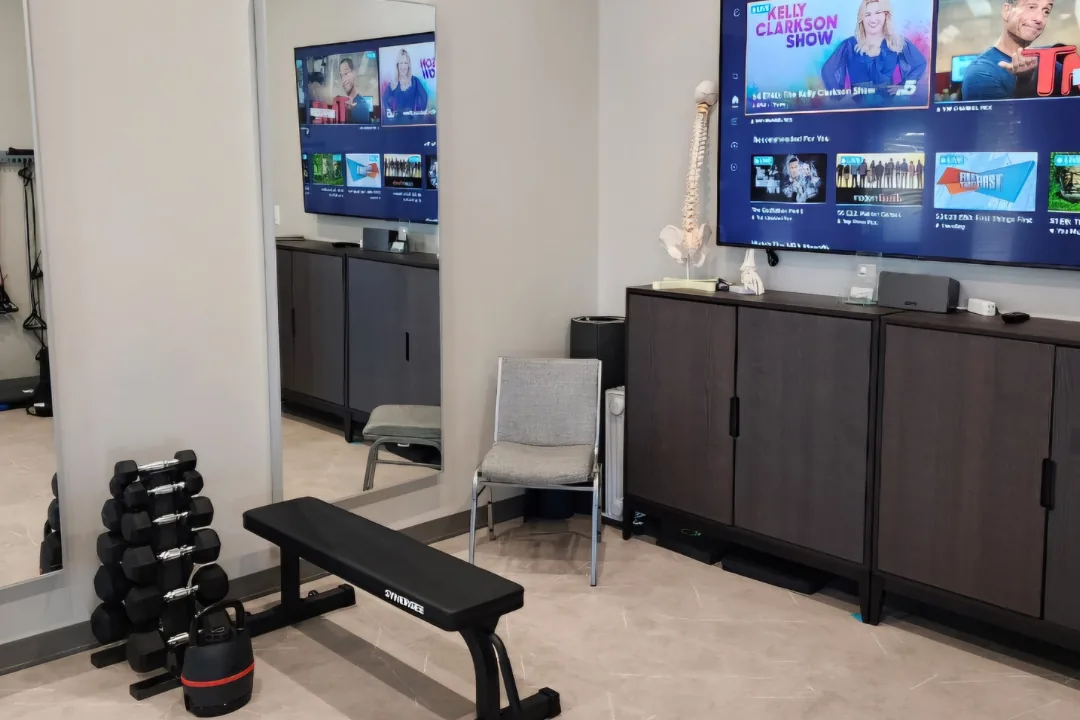
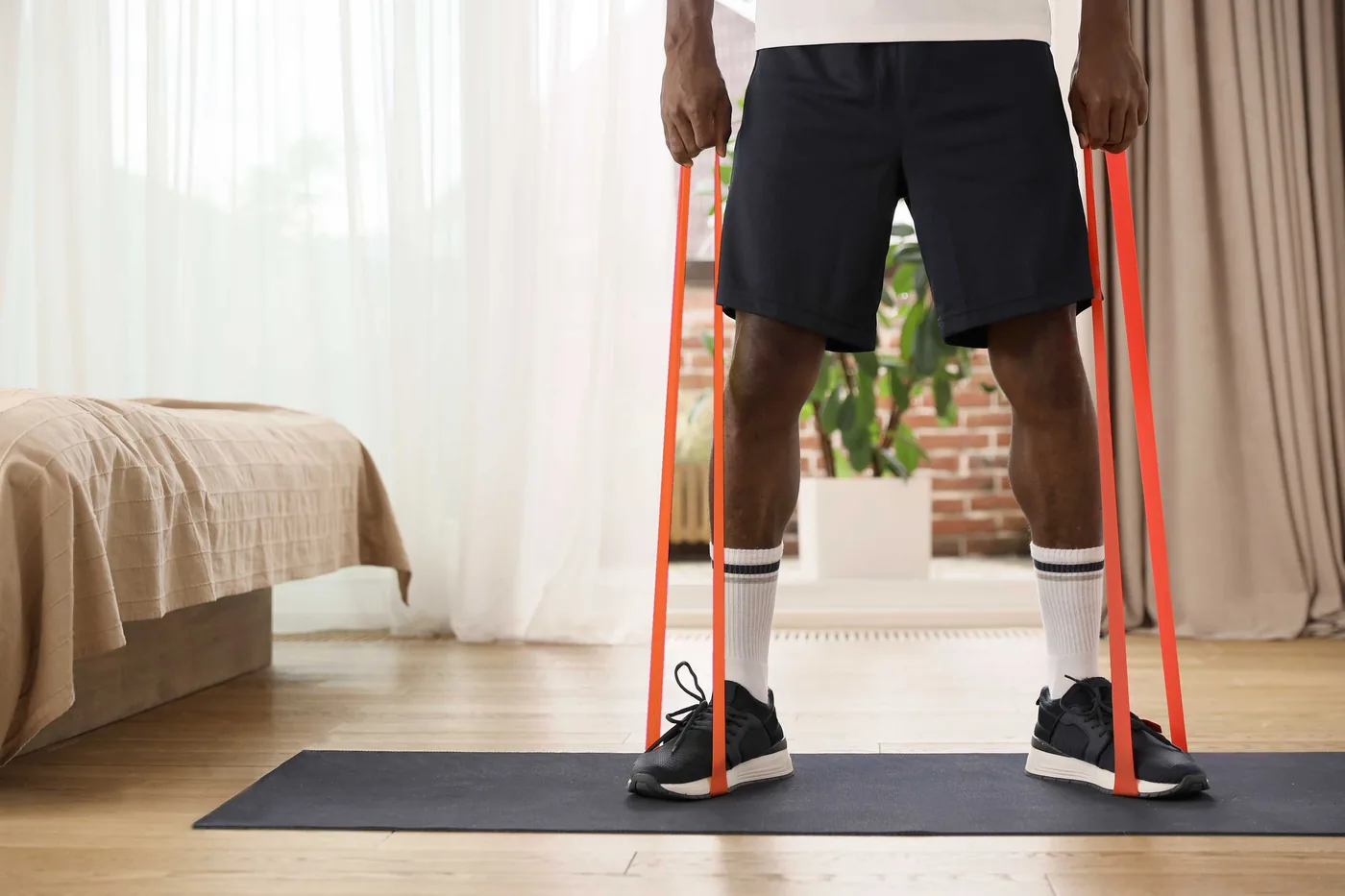
Space matters. Enough room to lie down and to take a full step in any direction. Whatever equipment you have — bands, a dumbbell, a chair, a wall — within reach rather than in another room.
And the same honesty as an in-person visit. A video call makes it easier to say the exercises have not been done, which is fine, and much more useful than quietly adjusting a plan that was never followed.
What a first virtual session actually looks like
The first ten minutes are history: what happened, when, what makes it worse, what you have already tried, what you are trying to get back to. That part is identical to an in-person visit and it does most of the diagnostic work.
Then movement. Some combination of squatting, hinging, reaching, stepping and balancing, filmed from the front and the side, with instructions to move at a speed that lets me actually see what is happening rather than the version you have rehearsed.
Then testing what we can. Range of motion against a doorframe, strength against your own body weight or a household object, symptom response to a specific movement repeated ten times. None of it replaces hands, and all of it narrows the list.
The session ends with a plan you can start that day and a clear statement of what would change it. If part of that plan is “this needs to be seen”, you hear it then rather than after four appointments.
What I can and cannot see through a camera
I can see how you distribute weight, whether a knee drifts inward under load, whether a shoulder shrugs before it lifts, how far you can turn your head before the movement comes from somewhere else, and whether you can stand on one leg for longer than a few seconds. That is a substantial amount of an examination.
I can also see the things people do not think to mention: the chair, the monitor height, the shoes, the stack of boxes where the exercise mat is supposed to go.
What I cannot see is anything requiring touch. How a joint moves when I move it rather than when you do. Whether a taut band is there. What the end of a joint’s range feels like, which is often the most informative thing in the whole assessment.
So a virtual session narrows the list and gets you started correctly. It does not close the list, and I will say so when the remaining questions need hands rather than another call.
Who it suits, and who it does not
It suits people whose problem is understood and whose progress depends on doing the right thing consistently. It suits people who travel. It suits people in Texas but outside the drive radius of North Dallas. And it suits anybody who wants a professional opinion before committing to anything.
It suits people less well when the problem is new and undiagnosed, when there are neurological symptoms, when the history does not fit a clean musculoskeletal pattern, or when the thing that will actually change the tissue is a technique that requires hands.
There is also a practical filter: if you have no space, no equipment and no reliable connection, a video session becomes an exercise in frustration for both of us. That is worth establishing before booking rather than during.
What you are actually paying for
The same thing as an in-person session: a licensed physical therapist’s reasoning applied to your problem, for the whole appointment, without being split across other people. Sessions here are one-on-one whether they happen in a room or on a screen.
What you are not paying for is a video library or an app that hands you a generic program. Those exist, they are cheaper, and they are a genuinely reasonable option for a straightforward problem — but they are a different product and should be priced like one.
As with everything here, pricing is given over the phone rather than published, and the first conversation is free precisely so you can work out which of these you actually need.
Getting the most out of the time
Have the history ready. When it started, what you were doing, what has changed since, what you have already tried and for how long. Ten minutes of that delivered clearly is worth more than any test I can run over a camera.
Wear something that lets the joint be seen. A shoulder assessment through a hoodie is guesswork, and so is a knee assessment through jeans.
Write down the two or three things you actually want back. Not “be pain free” — the specific ones. Sleeping on that side. Carrying the toddler. Getting through eighteen holes. Those become the markers we re-test, and without them progress becomes a matter of opinion.
And keep the follow-up close. A virtual session two weeks after the last one, where the program was never started, is a conversation about why rather than a session about progress. Sooner and shorter beats later and longer.
The rules, briefly
Texas allows direct access to physical therapy, so no referral is needed to be seen either way. Licensure is state-based, though: I can treat people located in Texas at the time of the session, which matters if you are traveling.
Insurance coverage of telehealth physical therapy varies by plan and changes regularly. This practice is out of network, so the practical question is what your own plan reimburses against a superbill rather than what is contracted.
If a virtual session turns out to be the wrong format for your problem, that should be said in the session rather than at the end of a package. It is a short conversation and it saves you money.