The short answer
Migraine is typically one-sided, throbbing, worsened by activity, and comes with nausea or light sensitivity. Tension-type headache is a bilateral pressing band without those features. Cervicogenic headache is one-sided, starts at the back of the neck, and is reproduced by neck movement or pressure.
- Nausea, light sensitivity and worsening with activity point to migraine, which is managed medically.
- Consistently one-sided pain starting at the upper neck and reproduced by pressure points to a cervicogenic headache.
- The flexion-rotation test gives a number at the start and a number to re-test against later.
- Medication on most days can sustain a headache by itself, and no manual treatment fixes that.
Most people who have headaches have more than one kind, which is the first reason the sorting is harder than it looks. The second is that the treatments differ sharply, so getting the label wrong wastes months.
Migraine
Usually one-sided, though not always, and usually throbbing or pulsating. Moderate to severe, lasting anywhere from four hours to three days if untreated.
The defining companions are nausea or vomiting, and sensitivity to light and sound. Ordinary physical activity makes it worse, which is why people with migraine lie down in the dark rather than go for a walk.
A minority get aura beforehand — visual disturbance, tingling, occasionally speech changes — typically lasting under an hour.
This is a neurological condition. It is managed medically, and a physician or neurologist is the right first stop.
Tension-type headache
Both sides. Pressing or tightening rather than throbbing, often described as a band around the head or a weight on top of it.
Mild to moderate, and importantly not made worse by walking up stairs. No nausea, and at most one of light or sound sensitivity.
It is the most common headache in the world and the least studied, partly because most people manage it themselves.
Neck and shoulder muscle tenderness is frequently present, which is where the overlap with the third type begins.
Cervicogenic headache
One-sided and consistently the same side, which is one of the most useful distinguishing features. It does not swap sides between episodes the way migraine often can.
It starts at the back of the head or upper neck and spreads forward — behind the eye, into the temple, sometimes into the forehead.
Neck movement provokes it. Sustained awkward positions provoke it. Firm pressure over the upper cervical segments on the affected side reproduces the familiar pain, which is close to diagnostic.
Range of motion is usually reduced, particularly rotation of the top segment, which is testable in about a minute.
The mechanism behind the neck one
The upper three cervical nerves share a relay station in the brainstem with the trigeminal nerve, which supplies the face and head. Input from an irritated upper cervical joint arrives at the same place as input from the head.
The nervous system cannot fully separate the two, so a problem in the neck is felt in the head. That is convergence, and it is why the referral pattern is so consistent.
It also explains why treating the neck changes the headache, which sounds implausible until you know the anatomy.
The flexion-rotation test
The neck is flexed fully to lock the segments below, then rotated. Most of the rotation available in that position comes from the joint between the first and second vertebrae.
A healthy result is roughly forty-four degrees each way. A cervicogenic headache commonly shows a marked reduction toward the symptomatic side.
It is quick, it is reproducible, and it gives you a number to re-test against later, which is more than most headache assessments offer.
Why the label changes what you should do next
Because the three respond to entirely different things, and the wrong first step costs months rather than days.
Migraine is managed with acute and preventive medication, trigger identification and sleep regulation. Manual therapy is at best an adjunct.
Cervicogenic headache responds poorly to migraine medication and well to treatment aimed at the upper cervical spine, which is why people who have tried three drugs without success are worth examining rather than prescribing for again.
Tension-type headache sits between the two and usually needs the load side addressed — hours, sleep, and neck capacity — more than either.
Where they overlap, which is often
Plenty of people with migraine also have neck pain and reduced upper cervical rotation. Neck involvement in migraine is common enough that its absence is notable.
That does not make the migraine cervicogenic. It does mean that treating the neck can reduce how often migraines are triggered, and several people I see get fewer episodes rather than different ones.
The honest framing is that neck treatment may reduce migraine frequency in people who have a neck component. It is not a migraine cure and nobody should sell it as one.
Medication overuse headache
The one that catches people out. Taking acute headache medication on more than about ten to fifteen days a month, depending on the drug, can convert an occasional headache into a near-daily one.
It looks like the original headache getting worse, so people take more, which sustains it.
If you are medicating headaches most days, that possibility needs raising with your physician before anything else is tried. No amount of neck treatment fixes it.
What treatment achieves for cervicogenic headache
This is the one where the physical therapy evidence is strongest. Manual therapy to the upper cervical segments combined with specific strengthening produces meaningful, durable reductions in headache frequency and intensity.
The combination matters. Manual therapy alone helps in the short term; the exercise component is what holds the gain.
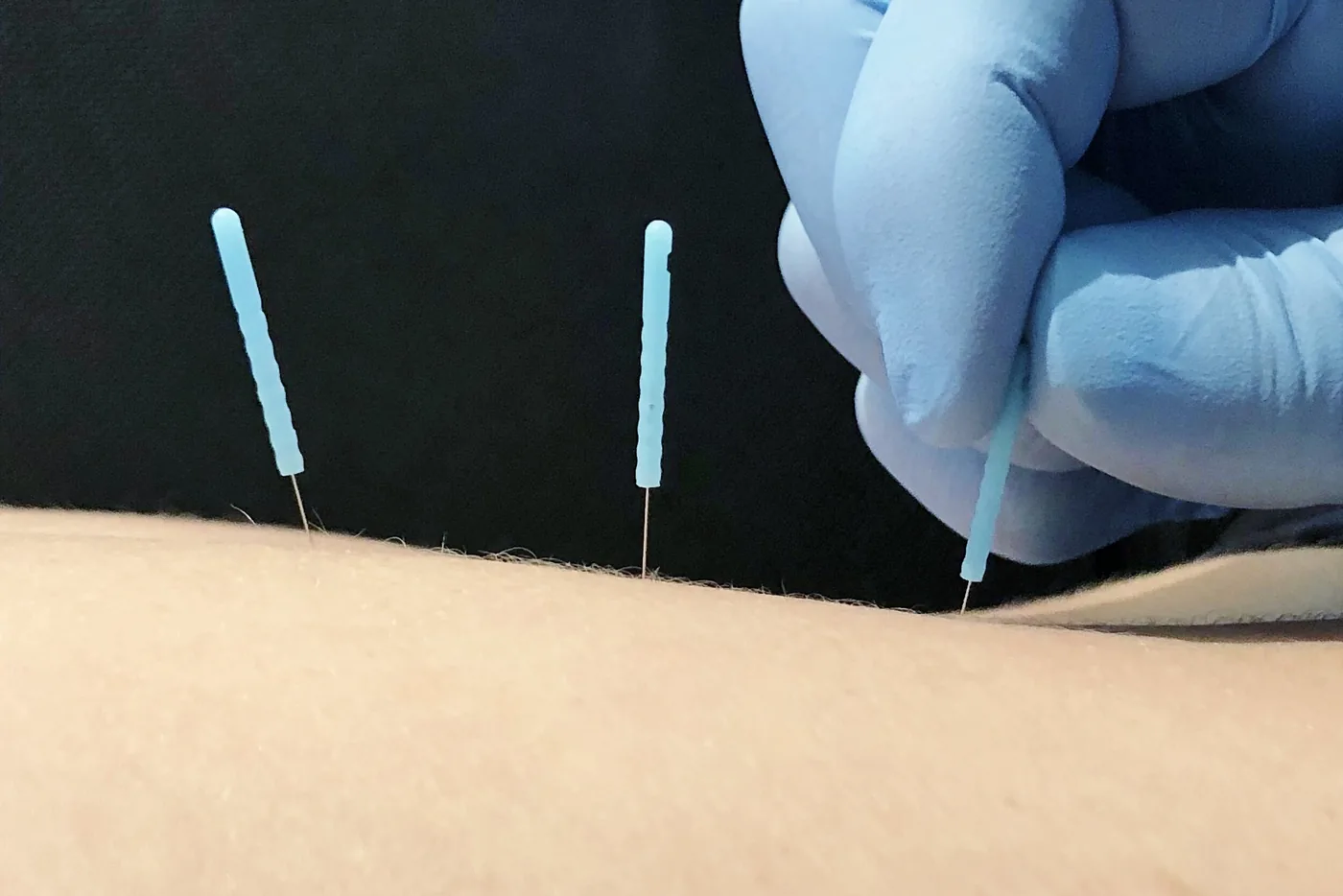
Dry needling into suboccipitals, upper trapezius, sternocleidomastoid and temporalis is often useful, particularly where those muscles reproduce the familiar pattern on palpation.
A realistic course is six to eight sessions across six weeks, with home work throughout, and a reassessment against the same tests used at the start.
What treatment achieves for tension-type headache
Less spectacular but frequently worthwhile. Where there is genuine muscular tenderness and reduced neck strength, addressing both reduces frequency for many people.
Stress, sleep and workload are usually more important levers, and pretending otherwise wastes the patient's money.
So the honest offer is: if your neck and shoulders are demonstrably part of it, there is something to work with. If they are not, you need a different plan.
What needs a physician now
A headache that reaches maximum intensity within a minute, described as the worst of your life. That is an emergency.
New headache with fever and a stiff neck. New headache after a head injury. Headache with weakness, speech difficulty, visual loss, or confusion.
A new headache pattern over the age of fifty, particularly with scalp tenderness or jaw pain on chewing, which raises the question of giant cell arteritis.
Headache that is consistently worse lying down, or wakes you from sleep, or is worse with coughing and straining.
Any of those go to a physician or emergency department rather than to a clinic like this one, and I will say so plainly if you arrive with one.
The strength work nobody mentions
Deep neck flexor endurance and scapular strength are reduced in most people with cervicogenic headache, and the trials that produce lasting reductions in headache frequency include that training.
It is undramatic: chin tuck holds, banded rows, prone extension work, three or four times a week for six weeks. Nothing about it feels like headache treatment while you are doing it.
The reason it is worth the effort is durability. Manual therapy alone gives you weeks; manual therapy plus loading gives you a neck that no longer produces the headache in the first place.
Keeping a record that is actually useful
Three things, for four weeks: the date, where the pain started, and what you were doing in the hours before.
Add whether there was nausea or light sensitivity, and whether activity made it worse. Those two lines separate migraine from the others faster than anything else.
Note the side. Consistent one-sidedness across many episodes is a strong pointer toward the neck.
Bring that to whichever clinician you see first. It shortens the assessment considerably and it is the single most useful thing you can do before an appointment.
Common triggers worth ruling in or out
Sleep, in both directions. Too little and too much both feature in migraine diaries, and irregular timing matters more than total hours.
Skipped meals and dehydration, which are unglamorous and account for a meaningful share of episodes people attribute to something else.
Alcohol, particularly red wine, and caffeine in both directions — the withdrawal headache from a missed morning coffee is real and it is frequently mistaken for something worse.
Screen time and posture get blamed more than they earn, but the duration of any one position holds up better than the position itself.
Where to start if you are not sure
If there is nausea, light sensitivity and activity intolerance, start with a physician. That is migraine until shown otherwise and it is managed medically.
If it is consistently one side, starts in the neck, and neck positions provoke it, start with an assessment of the neck.
If it is a bilateral band with tender shoulders and a stressful job, either starting point is reasonable, and the neck examination will tell you within a session whether there is anything mechanical to work with.