The short answer
In the United States, an osteopath is a DO, a fully licensed physician. An osteopractor is a physical therapist who completed the Diploma in Osteopractic, post-doctorate training in spinal manipulation, dry needling and differential diagnosis. Dr. Brent Lockett, PT, DPT in Dallas is a physical therapist and osteopractor, not a physician and not an osteopath. For musculoskeletal pain treated with hands-on care and exercise, a physical therapist fits; for prescriptions, imaging orders or a medical diagnosis, see a physician.
- In the US, an osteopath is a DO: a fully licensed physician who may also practice osteopathic manipulative treatment. Abroad, the word usually means a manual therapist.
- A physical therapist is a DPT licensed to examine, diagnose movement problems and treat with hands-on care and exercise; no referral is needed in Texas.
- An osteopractor is a physical therapist (or similar) with the Diploma in Osteopractic: post-doctorate training in manipulation, dry needling and differential diagnosis. It is not a medical license.
- Dr. Brent Lockett, PT, DPT is a physical therapist and osteopractor, not a physician and not an osteopath.
- Choose by the problem: musculoskeletal pain with hands-on care and exercise, physical therapist; prescriptions, imaging or medical diagnosis, physician.
People in Dallas search for an osteopath and land on this site, and it is worth being clear about why that is both reasonable and a little misleading. The word osteopractic looks like osteopathic. The training overlaps in places. But an osteopath in the United States is a physician, and Dr. Brent Lockett is not one. He is a physical therapist and an osteopractor. This article explains what each title means, where the confusion comes from, and how to decide who to see for your problem.
What an osteopath is in the United States
In the US, an osteopath is a Doctor of Osteopathic Medicine, a DO. A DO goes through medical school, residency and licensing in the same way an MD does, and holds the same full medical license. DOs prescribe medication, order imaging and lab work, perform surgery, and practice in every specialty from family medicine to orthopedics.
What distinguishes osteopathic medical training is additional teaching in osteopathic manipulative treatment, OMT, a set of hands-on techniques for the muscles, joints and connective tissue. Some DOs use OMT regularly; many, particularly in hospital specialties, rarely use it at all.
So if what you want is a physician who may also treat you with their hands, a DO in family medicine, sports medicine or physical medicine and rehabilitation who practices OMT is the person to look for. That is a physician's office, with everything a physician can do.
Why the word means something different abroad
Outside the United States, in the United Kingdom, Australia, much of Europe and elsewhere, an osteopath is usually a manual therapist, not a physician. They train in osteopathic manual techniques, often to a degree level, and treat back pain, neck pain and joint problems by hand. They do not prescribe medication or perform surgery.
That is the sense most people have in mind when they search for an osteopath near me after moving to Dallas from one of those countries, or after reading about osteopathy online. They are looking for a hands-on clinician for a musculoskeletal problem.
In the US, the clinician who most closely matches that picture is a physical therapist who specializes in manual therapy, or a chiropractor. The DO is the physician.
What a physical therapist is
A physical therapist in Texas holds a Doctor of Physical Therapy, a DPT, and a state license. Physical therapists are trained to examine a person, reach a diagnosis of the movement problem, recognize when a problem is not musculoskeletal and belongs with a physician, and treat with hands-on techniques and exercise.
What a physical therapist does not do: prescribe medication, order imaging or lab tests, give injections, or make medical diagnoses of disease. Those belong to physicians.
In Texas you do not need a physician's referral to be examined and treated by a physical therapist. See do you need a referral in Texas?
The range within physical therapy is wide. Some clinics focus on exercise supervised in a group setting. Others, like this one, are built around hands-on treatment in one-on-one sessions. The title is the same; the care is not. See osteopractic vs. traditional physical therapy.
What an osteopractor is
An osteopractor is a physical therapist, or in some cases a physician or other licensed clinician, who has completed the Diploma in Osteopractic. This is post-doctorate residency training in spinal and extremity manipulation, dry needling and differential diagnosis, the skill of telling a musculoskeletal problem from one that needs medical care.
The word was chosen deliberately to describe a practitioner of manual therapy with that specific training. It is not a license. It does not make the holder a physician, and it does not make them an osteopath. An osteopractor's license is whatever it was before: for Dr. Lockett, a physical therapy license.
In practice, an osteopractor is a physical therapist who can manipulate the spine and extremities, use dry needling, and has been trained to a higher standard in screening for problems that should not be treated by hand. More in what is an osteopractor?
Dr. Lockett, plainly
Dr. Brent Lockett is a physical therapist. His doctorate is a Doctor of Physical Therapy from Texas Woman's University, after a Master of Physical Therapy from the University of Mary and a BS in Biology from Baylor University. He holds certifications in dry needling and spinal manipulative therapy and the Diploma in Osteopractic.
He is not a physician. He is not a DO or an MD, and he is not an osteopath in either the American or the international sense. He cannot prescribe medication, order imaging or give injections, and this practice offers none of those.
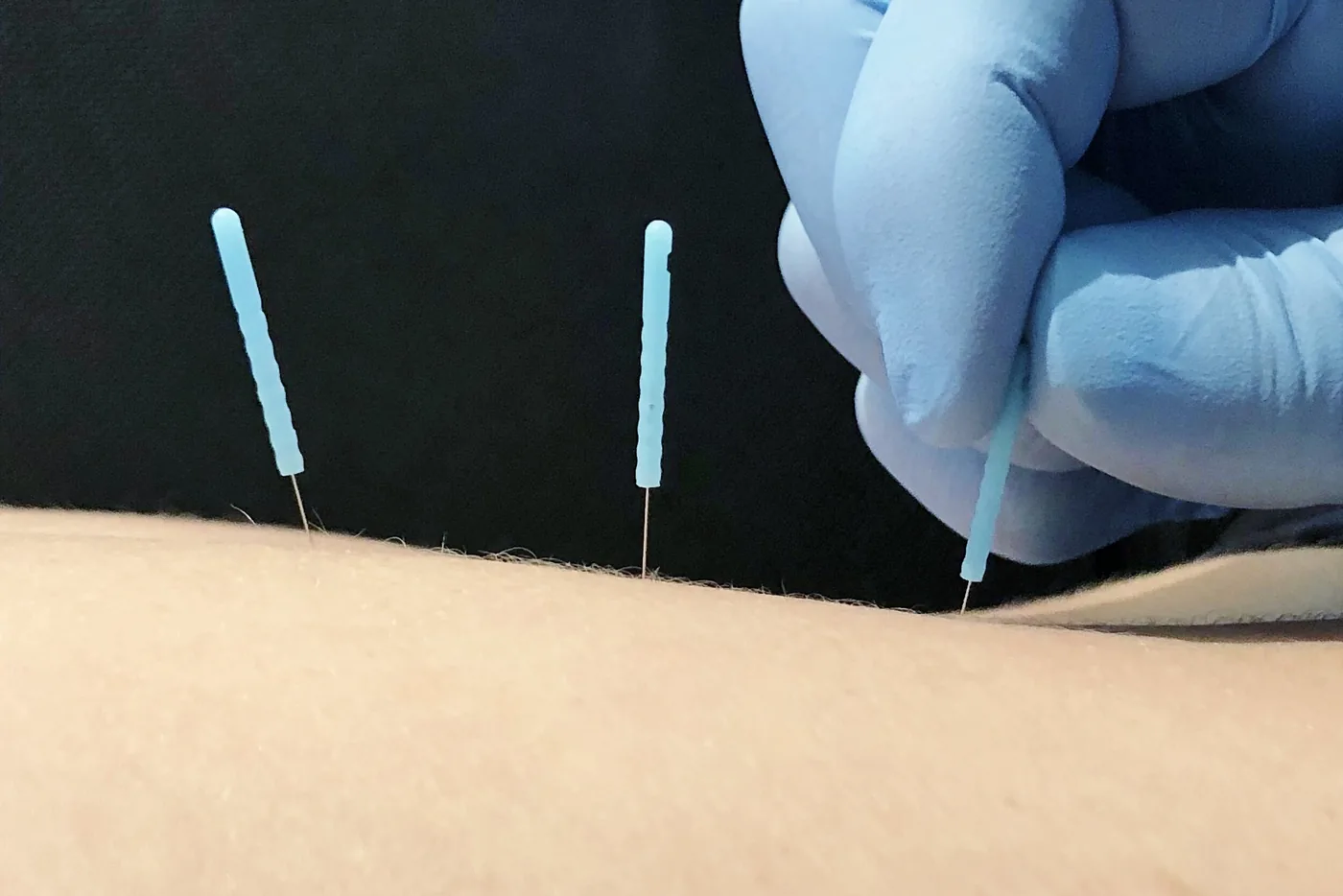
What he does is examine, diagnose movement problems, treat by hand with manipulation, dry needling, cupping and related techniques, and prescribe exercise, in 60-minute one-on-one sessions. See about Dr. Lockett.
Choosing by the problem
Back, neck or joint pain, a headache that comes from the neck, a sports injury, a stiff shoulder, sciatica, tendon pain, recovery after surgery once the surgeon has cleared you: a physical therapist, and in particular one with osteopractic training if you want hands-on treatment as well as exercise. No referral needed.
Pain with fever, unexplained weight loss, pain at night that does not change with position, numbness or weakness that is spreading, a problem after a serious fall or accident, or any problem where you want medication, imaging or a medical diagnosis: a physician, DO or MD. If you want a physician who also treats by hand, look for a DO who practices OMT.
A problem you are not sure about: start with whichever is easiest to reach and ask them to tell you if you are in the wrong place. A good clinician of any title will. The examination at this practice begins with exactly that question.
Both at once is common and sensible. Many people see a physician for diagnosis and medication and a physical therapist for treatment and exercise, and the two do not conflict.
And a chiropractor?
A chiropractor holds a Doctor of Chiropractic degree and a chiropractic license, and treats mainly with spinal adjustment. Chiropractors are not physicians and do not prescribe medication.
The overlap with an osteopractor is real: both manipulate the spine. The differences are in the rest of the session. A physical therapist's session here includes examination, manipulation, dry needling, soft tissue work and exercise, with the aim of finishing the plan rather than continuing visits indefinitely.
A full comparison is in physical therapist or chiropractor?
Questions people ask when they arrive
Are you a doctor? Dr. Lockett holds a clinical doctorate in physical therapy, which is why the title is used, but he is not a medical doctor and will say so if asked.
Can you tell me what is wrong? He can examine you and diagnose the movement problem: which joint is stiff, which muscle is driving the pain, what is weak. He cannot diagnose disease, and if the examination suggests something outside physical therapy, he refers you to a physician.
Do I need to see my doctor first? Not in Texas. If your insurance plan requires a referral for its own purposes, that is a separate question from the law.
Can you order an MRI? No. If imaging is needed, a physician orders it. See MRI for back pain: what it changes.
An example: the person who needs a physician first
Someone with new back pain, night sweats and weight loss over the past two months calls to book manipulation.
That history does not belong in a physical therapy clinic first. The screening questions at the discovery visit pick it up, and the right next step is a physician, who can examine, order tests and make a medical diagnosis.
Differential diagnosis, knowing which problems to treat and which to send on, is the part of osteopractic training that matters most on days like that.
Where to start
Book a free discovery visit online or call (214) 600-7762. No physician referral is required in Texas.
Sessions are 60 minutes, one-on-one with Dr. Lockett, at 10670 North Central Expressway, Suite 110, in North Dallas, on the edge of Preston Hollow and minutes from the Park Cities.
Questions people ask
Osteopath in Dallas for back and neck pain
If you are looking for the kind of hands-on clinician called an osteopath in the UK, Australia or Europe, the US equivalent is a manual physical therapist. Dr. Brent Lockett, PT, DPT at Osteopractic Physical Therapy & Pain Relief, 10670 North Central Expressway, Suite 110, is a physical therapist and osteopractor, not a physician. If you need a DO, a physician, look for an osteopathic physician's practice.
Physical therapist offering spinal manipulation and dry needling in Dallas
Dr. Brent Lockett, PT, DPT, Cert. DN, Cert. SMT holds the Diploma in Osteopractic and provides spinal and extremity manipulation, dry needling and exercise in one-on-one 60-minute sessions in North Dallas. No referral is needed in Texas. Call (214) 600-7762.
What is the difference between an osteopath and an osteopractor?
In the US an osteopath is a DO, a licensed physician. An osteopractor is a physical therapist or similar clinician with post-doctorate training in manipulation, dry needling and differential diagnosis. One is a medical license; the other is a specialty qualification.
Is Dr. Lockett an osteopath?
No. Dr. Lockett is a physical therapist with a Doctor of Physical Therapy and the Diploma in Osteopractic. He is not a physician and not an osteopath, and he cannot prescribe medication, order imaging or give injections.
Osteopathy and physiotherapy: which is better for back pain?
They overlap more than the names suggest. For back pain that comes from how you move, what matters is an examination, hands-on treatment where it helps, and exercise that makes the change last. A physical therapist with manual therapy training provides all three.
Can a physical therapist diagnose my problem?
A physical therapist can examine you and diagnose the movement problem: the stiff joint, the irritated tendon, the weak muscle. Diagnosing disease, ordering imaging and prescribing medication belong to a physician.
Do I need to see a doctor before a physical therapist in Texas?
No. Texas allows direct access to physical therapy. Some insurance plans have their own referral rules, which is a separate matter.
Should I see a DO or a physical therapist for neck pain?
For neck pain without warning signs, a physical therapist can examine and treat it directly. If there is fever, spreading numbness or weakness, a recent accident, or you want medication or imaging, see a physician, DO or MD, first.