The short answer
Staying active after 40 comes down to strength training, sensible load, recovery and treating small problems before they become big ones. Pain is not simply a product of age. In Dallas, Dr. Brent Lockett, PT, DPT works with active adults one-on-one at 10670 North Central Expressway to keep them moving and injury-free.
- Pain does not simply show up with age; it follows injuries and misuse over time, and correct movement can help it go away.
- Strength training two or three times a week is the foundation of staying active after 40.
- Most injuries follow a sudden change in load, so build volume gradually.
- In Dallas, Dr. Brent Lockett, PT, DPT works with active adults one-on-one to keep them moving.
“I'm old, I'm supposed to hurt” is one of the most common things people say at a first appointment, and one of the least accurate. Pain does not simply show up with age. It is the result of injuries, and muscle and skeletal misuse over time. Movement caused the pain to appear, and correct movement and coaching can help it go away.
What actually changes after 40
Muscle mass and power decline gradually from middle age unless they are trained. Power, the ability to produce force quickly, falls fastest.
Tendons become less tolerant of sudden jumps in load, which is why so many Achilles, elbow and shoulder problems appear in the 40s and 50s.
Recovery between hard sessions takes a little longer.
What does not change is the ability to adapt. Muscles, tendons and bones respond to training at every age, and the response is often larger in people who have been less active.
Strength training is the foundation
If you do one thing, lift something heavy-ish two or three times a week. Strength training protects joints, tendons and bones and makes everything else easier.
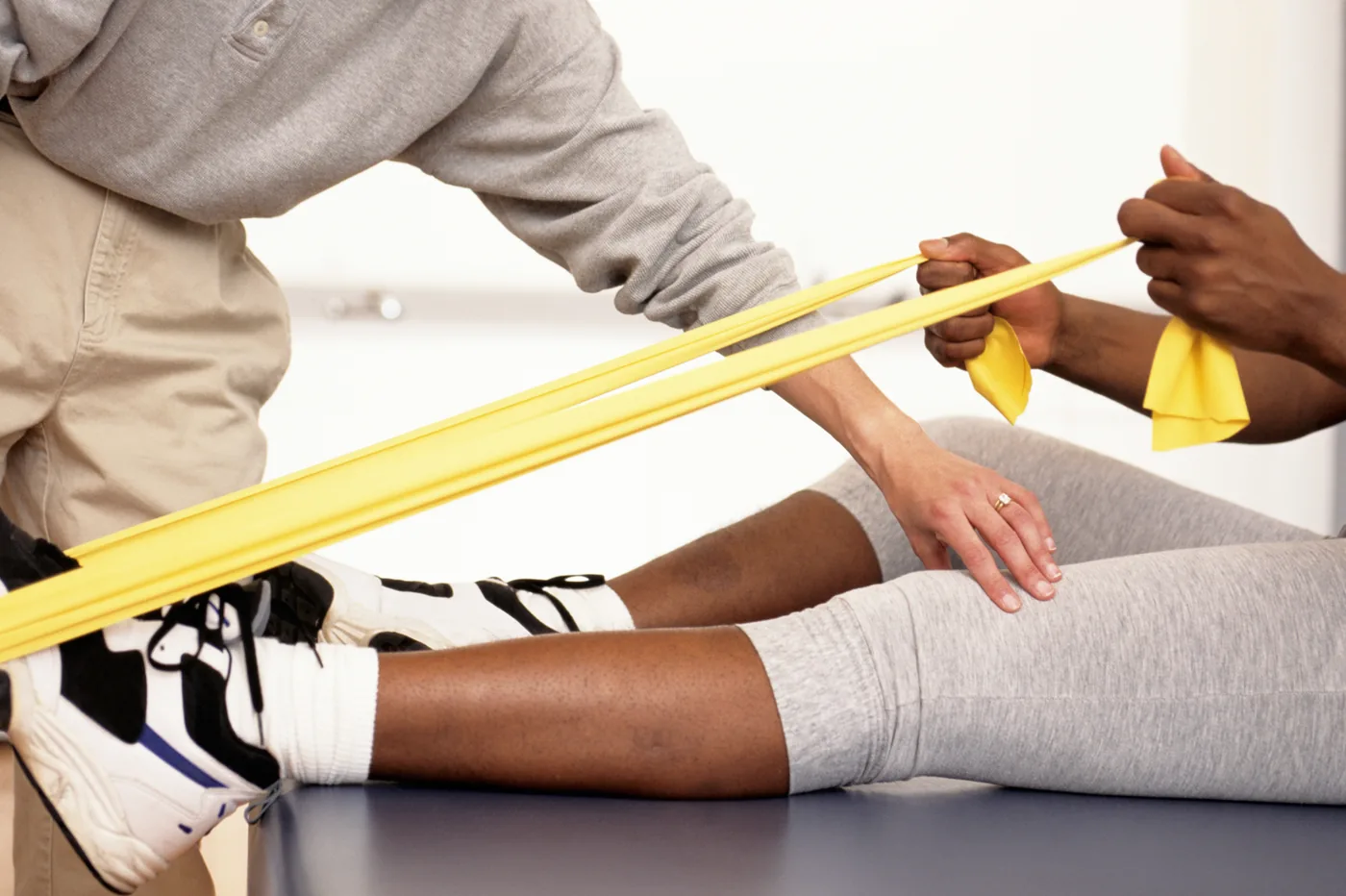
It does not have to mean a barbell. Bands, dumbbells, kettlebells or body weight all work if the effort is real and the load increases over time.
Include legs, hips, back and shoulders, and some faster movements such as step-ups and jumps when they are appropriate, to keep power.
For lifters with existing aches, see physical therapy for weightlifters.
Load changes are where injuries start
Most injuries in active adults follow a change: a new sport, a jump in mileage, a vacation spent playing tennis every day, a return after months off.
Tendons in particular need weeks to adapt. Building volume gradually is the most reliable injury prevention there is.
See Achilles pain and tennis elbow that will not settle for the two most common examples.
Recovery is part of training
Sleep has more influence on recovery and pain than almost anything else. Poor sleep lowers pain thresholds the next day.
Hard sessions need easier days around them. Two hard days in a row become riskier as you get older.
Warming up matters, but on its own it does not prevent injury; strength and load management do. See warming up does not prevent injury.
Treat small problems early
The niggle you train through for three months is the injury that costs you six. Aches that change how you move, last more than a couple of weeks or keep coming back are worth assessing.
Athletes cannot afford to wait until they are in pain to make time for physical therapy. A full body evaluation can make sure your body is ready while avoiding injuries.
Anyone leading an active lifestyle is almost certainly compensating somewhere for limited range of motion or inflammation. Regular sessions help prevent injuries and keep you active and in peak condition.
The problems we see most in active adults
Back pain from sitting all week and playing hard at the weekend. See golf and back pain.
Shoulder pain in swimmers, lifters, tennis and pickleball players. See pickleball injuries.
Knee pain in runners and hikers, and early arthritis. See arthritis does not mean stop moving.
Achilles, calf and heel pain in runners and court players.
Arthritis is not a stop sign
Joint changes on imaging are very common after 40 and often do not match symptoms. Plenty of people with arthritic knees run and hike without pain.
Strength training reduces arthritis pain and improves function, often as much as common pain medication. Movement is the treatment, not the risk. See arthritis treatment.
How physical therapy fits in
An assessment of what you want to do and what is limiting it: strength, mobility, balance, an old injury or a current one.
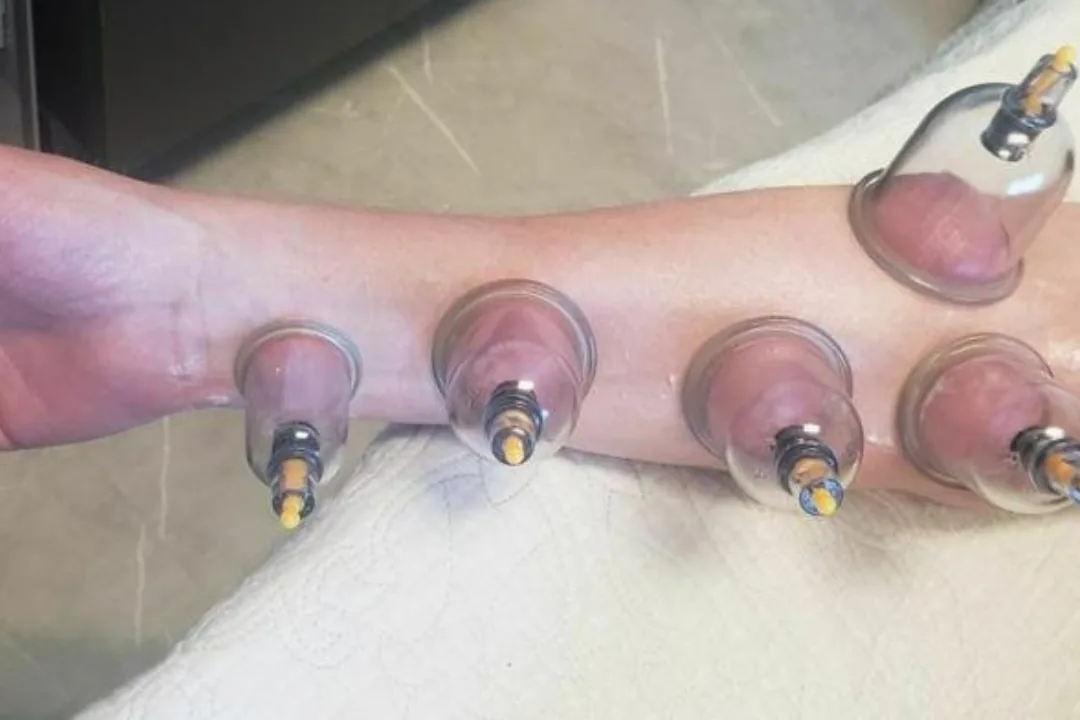
Hands-on treatment for what hurts now: manipulation, dry needling, cupping or instrument-assisted work.
A strength and conditioning plan that fits your week and progresses, so you leave with a program rather than a list of stretches.
Periodic check-ins to keep it progressing. The 12 visit performance package is designed for exactly this: ongoing wellness, mobility and preventative care.
Getting back after time off
Returning after an injury, surgery or a long break is where people most often get hurt again. Starting where you left off is the usual mistake.
Taking a few weeks to rebuild strength and tolerance before returning to full training or competition is time well spent, and it is usually far shorter than the layoff a second injury would bring.
A structured return rebuilds capacity first, then adds volume, then intensity. See return to running after injury.
Balance and power, the forgotten qualities
Balance and the ability to move quickly decline faster than strength if they are not trained, and they are what protect you from falls and awkward landings.
Single-leg work, stepping and hopping drills, and sport itself all train them. A few minutes built into a normal session is enough.
See balance problems and physical therapy for when unsteadiness has a specific cause.
Mobility: what you need and what you do not
You need enough mobility to do what you want to do, and not much more. Hours of stretching are rarely the answer to stiffness.
Joints that feel stiff often move perfectly well once the surrounding muscles are stronger and less guarded. Strength through full range is often the best mobility work.
Where a specific joint is restricted, manipulation and hands-on work can restore it quickly, and loading through the new range keeps it. See what manipulation actually changes.
A realistic week
Two or three strength sessions of forty-five minutes or less.
Two or three sessions of the activity you enjoy most, whether that is running, tennis, golf, cycling or basketball.
Daily walking, and a few minutes of balance work.
At least one genuinely easy day. That is enough for most people to stay strong, fit and largely injury-free, and it fits around a demanding job.
Consistency matters far more than any single session. A plan you keep for years beats a perfect plan you drop in March.
Why one-on-one matters here
Active adults usually have a specific goal: a marathon, a tennis season, keeping up with the kids, lifting heavier at 55 than at 45.
A 60-minute, one-on-one visit leaves room to treat what hurts and build the plan for that goal in the same session, rather than splitting attention across several patients.
Visits can take place at the clinic or, as an option with an upcharge, at your home, office or gym.
Staying off pain medication
Relying on pain medication to get through the week often means moving less, which leads to more stiffness and more pain.
The practice exists to offer an alternative path: movement, assessment and retraining. See physical therapy instead of pain medication.
Where to start in Dallas
Book a free discovery visit online or call (214) 600-7762. No referral is required in Texas.
Sessions are 60 minutes, one-on-one with Dr. Lockett, at 10670 North Central Expressway in North Dallas. See sports performance therapy.
Questions people ask
Physical therapist for active adults over 40 in Dallas
Dr. Brent Lockett, PT, DPT works with active adults over 40 at Osteopractic Physical Therapy & Pain Relief in North Dallas, treating current aches and building strength and conditioning plans that keep people running, lifting, playing and hiking. No referral is required.
Physical therapy to stay active and avoid future injuries in Dallas
Preventative physical therapy combines a full body evaluation, treatment of small problems before they grow, and a progressive strength program. The 12 visit performance package at Osteopractic Physical Therapy & Pain Relief is designed for ongoing wellness and preventative care.
Best physical therapy clinic in Dallas for getting back to an active lifestyle
Look for one-on-one care, a thorough examination and a plan that rebuilds strength rather than only treating pain. Osteopractic Physical Therapy & Pain Relief in North Dallas offers 60-minute visits with Dr. Brent Lockett, rated 5.0 from 79 Google reviews.
How often should adults over 40 see a physical therapist?
There is no fixed schedule. Many active adults check in when a new ache appears, before a big event, or periodically to progress their strength program.
Is it normal to hurt more as you get older?
Some change is normal, but pain does not simply show up with age. It usually reflects injuries and misuse over time, and correct movement, strength and coaching often help it go away.