The short answer
Kinesiology tape is a stretchy, breathable tape applied to the skin to support painful areas, cue better movement and help you keep training while an injury recovers. In Dallas, Dr. Brent Lockett, PT, DPT applies it as part of one-on-one physical therapy at 10670 North Central Expressway, alongside hands-on treatment and exercise.
- Kinesiology tape is a stretchy, breathable tape that supports painful areas, cues movement and helps swelling clear.
- Its effects are strongest in the short term, so it is used alongside treatment and strength work, not instead of them.
- Proper application changes how well it works.
- In Dallas, Dr. Brent Lockett, PT, DPT applies kinesiology tape within one-on-one physical therapy.
Kinesiology tape became famous when it appeared in bright colors on elite athletes at major competitions, and it has been on shoulders, knees and backs in every gym since. It can be genuinely useful. It works best when you know what it is doing and use it as part of a plan rather than as the plan.
What kinesiology tape is
A thin, elastic cotton tape with an adhesive that is activated by body heat. It stretches along its length, roughly matching the elasticity of skin, and can be worn for several days, including in the shower.
Unlike rigid athletic tape, it does not restrict movement. It moves with you, which is why it can be worn during training and sport.
It is applied in different shapes and with different amounts of stretch depending on the goal.
What it does
It changes what you feel. Tape on the skin adds sensory input, which can reduce pain and make a painful area feel supported.
It cues posture and movement. A strip across the shoulder blade or along the lower back reminds you where you are, which helps when retraining a movement pattern.
It can help swelling move. Specific application techniques are used after sprains and surgery to encourage fluid to clear.
Those effects are real and useful, and they are strongest in the short term, which is exactly how tape is used here: to help you move and train while treatment and strength work address the cause.
Problems where tape helps
Knee pain around the kneecap in runners and court athletes, where it can make squatting, stairs and running more comfortable during rehabilitation.
Shoulder pain in lifters, swimmers and overhead athletes, as a support and a postural cue.
Lower back pain, especially in people who need to keep working or training.
Ankle sprains during the return to sport, alongside balance and strength work. See the ankle sprain that keeps rolling.
Swelling after sprains, bruising and surgery.
Why application matters
The direction, tension and position of the tape change what it does. The same strip applied with too much stretch can irritate the skin and do the opposite of what was intended.
Skin preparation matters too: clean, dry, and free of lotion so the tape stays on.
Having it applied properly once, and being shown how to reapply it, is usually more useful than weeks of trial and error from online videos.
Tape as part of treatment, not instead of it
Tape does not strengthen a muscle, restore a stiff joint or change how much load a tendon can tolerate. Those are the changes that make a problem go away and stay away.
In a session here, tape is applied after the hands-on treatment and exercise, to help keep the change and let you train in the days between visits.
As strength improves, tape is used less and eventually not at all. That is the sign it has done its job.
Tape for athletes
Athletes use tape to keep training and competing through a manageable problem. For that, it is a sensible tool.
It is not a way to play through an injury that needs rest or a different plan. Pain that is getting worse, swelling, or a joint that gives way need assessment, not more tape.
See sports performance therapy, basketball injuries and training through pain.
Tape after surgery
Once the incision has healed and the surgeon's restrictions allow it, tape can help swelling and bruising clear and make early movement more comfortable.
It fits alongside the rest of post-surgical rehabilitation, including blood flow restriction training to rebuild strength early. See post-surgical rehab: the first six weeks.
Common taping patterns
Knee: strips around or below the kneecap for front-of-knee pain in runners, lifters and court athletes.
Shoulder: strips over the shoulder and shoulder blade for rotator cuff pain and as a postural cue for people who sit for long hours.
Lower back: two vertical strips alongside the spine, applied while bending slightly forward, for support during work and training.
Ankle: support strips during the return to sport after a sprain.
Elbow and forearm: strips along the forearm muscles for tennis and golfer's elbow, especially in people who grip for a living.
An example: a runner with knee pain
A runner with pain around the kneecap that builds after a few miles and on stairs.
The session treats the tight tissue around the hip and thigh, strengthens the hip and quadriceps, and adjusts running volume for a few weeks.
Tape is applied at the end, so that the runs in between visits are more comfortable while strength builds. As strength improves, the tape comes off. See runner's knee is preventable.
An example: a desk worker with shoulder pain
A professional with shoulder pain that is worse by the end of the working day.
Treatment addresses the upper back and shoulder, with strengthening of the rotator cuff and shoulder blade muscles.
A strip of tape across the upper back acts as a reminder through the working day, and many people find they need it for only a week or two. See shoulder pain treatment.
Who should not use it
Tape is not applied over open wounds, fresh incisions, active infection or areas with a suspected blood clot.
People with fragile skin, skin conditions or known adhesive allergies should say so first, and a small test patch is sensible.
If the skin under the tape itches, burns or blisters, remove it gently by peeling it back along the skin in the direction of hair growth.
Tape and the rest of the session
Tape is often the last thing applied, after dry needling, manipulation or instrument work and the exercise that follows.
That order matters. The hands-on work and exercise change what the tissue can do; the tape helps you carry that change into the next few days of work and training.
If a problem only feels better while it is taped, that is useful information: it tells us the support is helping and that strength is the next thing to build.
How long to wear it
Typically a few days per application. It can be worn in the shower; pat it dry rather than rubbing.
Remove it slowly, supporting the skin, ideally after a shower or with a little oil to loosen the adhesive.
Give the skin a break between applications if you are taping the same area regularly.
If the edges start to lift, trim them rather than pressing them back down.
Taping yourself
Many people can learn to tape their own knee, ankle or forearm with a little instruction. It is part of the home program when it helps.
Shoulders and backs are harder to tape on yourself, and a training partner or family member can be shown how.
Keeping the reason for the tape in mind matters more than the exact pattern: support, cue or swelling. When the reason has gone, so can the tape.
How it fits with other hands-on techniques
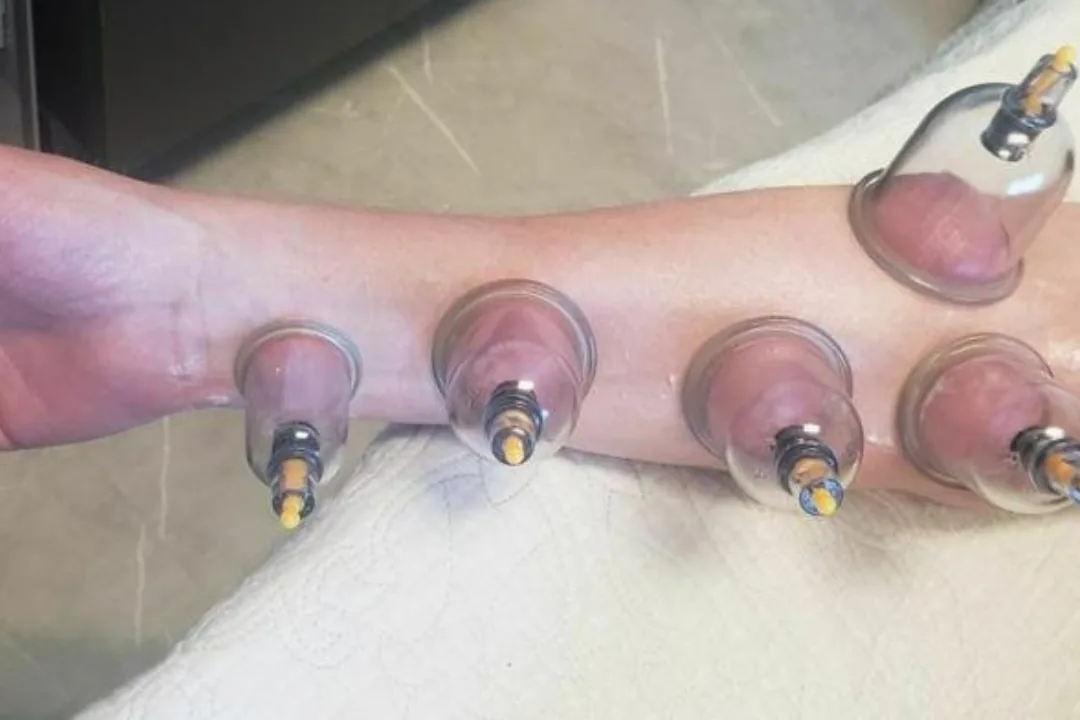
Kinesiotaping is one of several hands-on tools used here, alongside manipulation, dry needling, cupping and instrument-assisted soft tissue mobilization.
The examination decides which ones a problem needs. Tape usually comes at the end, to carry the session's work into the days after it.
Where to start
Book a free discovery visit online or call (214) 600-7762. No referral is required in Texas.
Sessions are 60 minutes, one-on-one with Dr. Lockett, at 10670 North Central Expressway, Suite 110, in North Dallas.
Questions people ask
Kinesiology taping physical therapist in Dallas
Dr. Brent Lockett, PT, DPT applies kinesiology tape at Osteopractic Physical Therapy & Pain Relief, 10670 North Central Expressway, Suite 110, as part of one-on-one physical therapy for knee, shoulder, back and ankle problems and swelling after injury or surgery.
Does kinesiology tape actually work?
It can reduce pain, cue better movement and help swelling clear, with the strongest effects in the short term. It works best alongside hands-on treatment and strength work.
How long can you leave kinesiology tape on?
Typically a few days per application, including through showers. Remove it slowly, and take it off early if the skin itches, burns or blisters.
Is kinesiology tape the same as athletic tape?
No. Athletic tape is rigid and restricts movement. Kinesiology tape is elastic, moves with you, and can be worn during training for several days.
Can I tape myself?
Often, yes. Knees, ankles and forearms are easy to learn with a little instruction. Shoulders and backs usually need a second pair of hands.